By Faridah N Kulumba
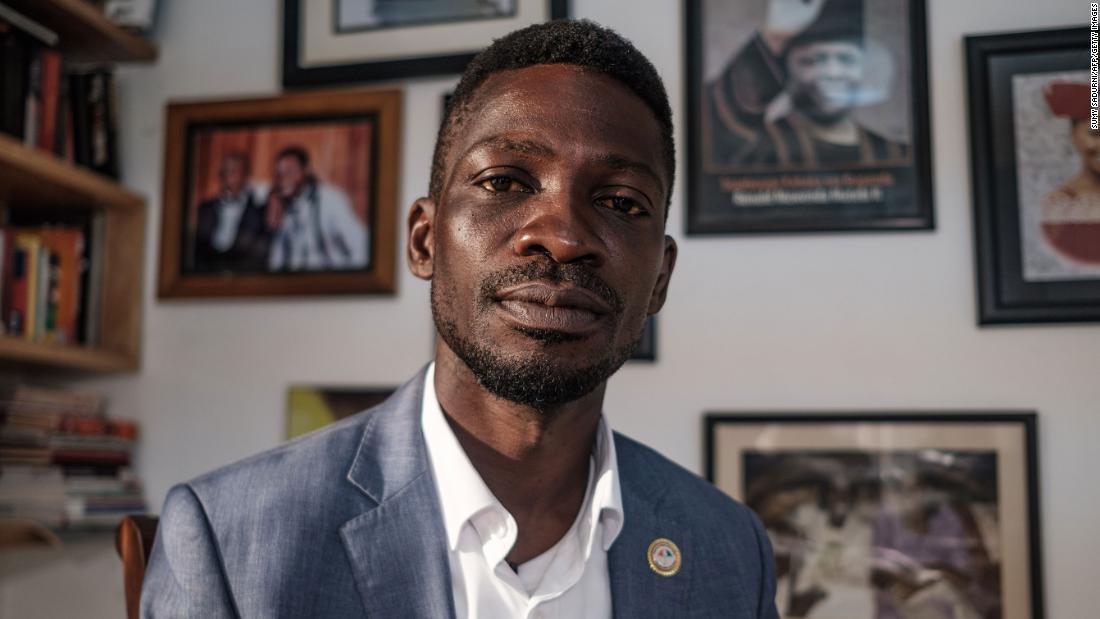
Africa-Press – Uganda. Ugandan president of a leading opposition party National Unity Platform (NUP) president, Robert Kyagulanyi, also known as Bobi Wine, has expressed concern over the extended leadership of the President of the Republic of Uganda H.E Yoweri Kaguta Museveni, saying that his overstay in power is the countries’ major challenge. According to Boni Wine. the prolonged rule by President Museveni has led to unmet promises and widespread dissatisfaction among Ugandan. The longest-serving President of Uganda Gen Museveni celebrated his 80th birthday on 15th September this year just a year and a few months before the 2026 general elections. Mr Museveni is serving his 6th term, and he has been in power since 26th January 1986 after outsing then President Milton Obote.
Brief History
The Republic of Uganda became independent on 9th October 1962. All the past years the peaceful transition of power is still elusive. Uganda is still entangled in cycles of bloodshed that have accompanied change from one regime to another. From President Yoweri Kaguta Museveni in the 1980s, the promise of national deliverance from the curse of violent government change is still alive. Some politicians, most especially from the opposition side have tried to debate about it for years but still, there is no change. In 2005 presidential term limits were removed and in 2017, the previous upper age limit of 75 was also removed. Under Article 102 of the Constitution, in order to be allowed to run for the presidency one must be a citizen of Uganda by birth, be no younger than thirty-five, and be eligible to be a member of Parliament. On 5th February 2014, Uganda’s ruling party National Resistance Movement cadre Mr. Godfrey Sseruwagi Mitch wrote an open letter advising the president on peaceful transition, in his book titled, “Our Greatest Fear is the Transition of Power. The letter reflects on Uganda’s violent past and past lack of instruments of transition since 1962, He proposed a series of measures; political, economic, legislative, and social which, in his opinion, if embraced, could ensure an orderly and peaceful transition of power. Mitch advised Museveni to set a precedent for future leaders by preparing the country for an orderly and peaceful transition.
Challenges attributed to Museveni
Bobi Wine argued that President Museveni’s administration has failed to deliver on key infrastructure and development projects in some Ugandan regions.He gave an example of Ugandans living in Western region of Uganda who have grown increasingly frustrated as several important government pledges remain unfulfilled. Among the major issues, the construction of the John Kale Institute of Science and Technology, an educational initiative promised to support the district’s development, has not materialized.
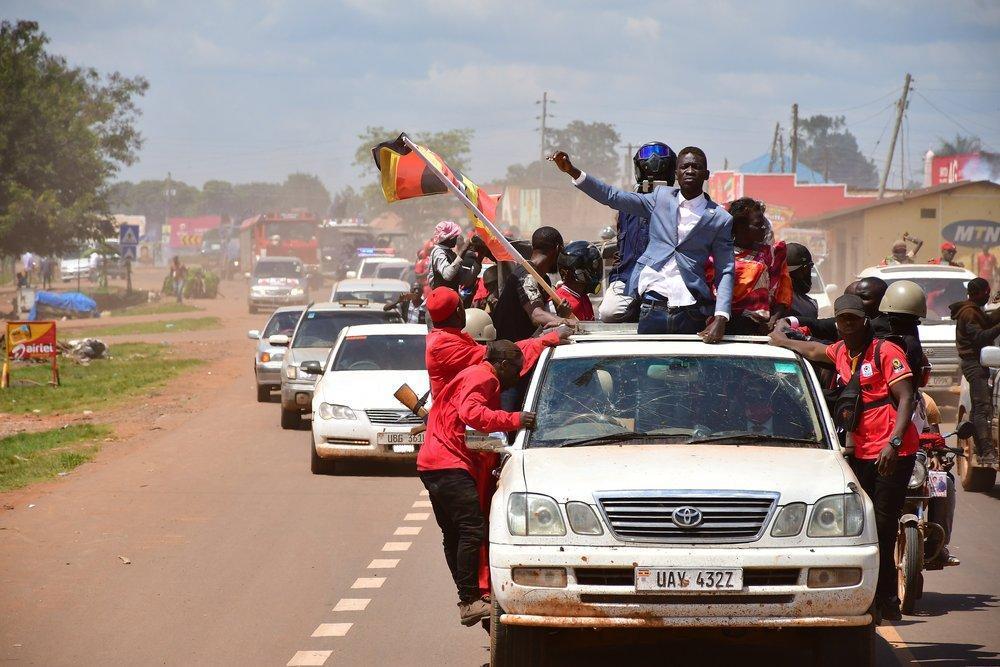
Furthermore, there have been repeated delays in the expansion of Kisoro Airstrip, a critical project aimed at accommodating larger aircraft and boosting tourism and trade in the region. Residents have also expressed dissatisfaction over the government’s failure to tarmac key tourism roads, which often become impassable during the rainy season, hindering the flow of visitors and economic activity. Kyagulanyi argued that these unaddressed challenges are a direct result of Museveni’s prolonged stay in power, suggesting that the country’s leadership is no longer attuned to the needs and realities of its people. He called for a change in leadership, advocating for a new generation of leaders who would prioritize the welfare of Ugandans and ensure that promised projects are completed.
How true are the accusations
On the other hand, Uganda’s Fountain of Horner previously said that changing presidents is not the solution to Uganda’s problem.Uganda’s leading party the National Resistance Movement (NTM) on 5th July 2024, gathered in Kampala to celebrate Museveni’s’ achievements. A prominent politician Mary Karooro Okurut said that during all the years the NRM party has been in power they have had and still have their share of challenges in governance issues, service delivery, health sector and so much more. But there is every reason to celebrate the achievements. In 2021, President Museveni said the national economy continues to grow rapidly because all the food crops including dairy products have been turned into cash-generating items. According to President Museveni the most notable and accomplished elements contained in the NRM manifesto 2016-2021 as power generation that was increased from 925 MW in 2016 to the current 1254 MW and targeting a total capacity of 2000W in the near future. Target to develop the oil and gas sector after the signing of the oil exploration agreement between the oil companies and government witnessed by President Museveni and the President of Tanzania Her Excellency Samia Suluhu Hassan.
Others are the Uganda Airlines that have been revamped by buying four aircraft, the construction of tarmac roads of 1452 KM countrywide, extension of clean and safe water to 38,517 villages out of 57,974 villages in the country, expansion of health centres at all levels to serve 86% of the population living within 5km of reach, industrialization sector, tourism, education sector, prioritizing investment in agriculture, construction of irrigation schemes etc. During NRM governance GDP per capita has more than tripled from Shs0.92 million (USD 260) in 1986 to Shs14.4 trillion (USD 3.96 billion) in 2019/20. The total paved road network as a percentage of national roads stood at 21 percent (or 5,500kms) in 2019 up from 8 percent (or 1,000kms) by 1986. In February 2024, Justice and Constitutional Affairs Minister Norbert Mao advised his boss and the Museveni to prepare for a peaceful transition of power, or risk dragging the country back into the dark past of civil strife and political turmoil. Minister Mao, who doubled as the Democratic Party (DP) president challenged President Museveni, to deliberately spearhead the processes for him to peacefully handover of power.
For More News And Analysis About Uganda Follow Africa-Press