Africa-Press – Zambia. Following Parliament’s approval of Constitution Amendment Bill No. 7, Zambia’s opposition space has shifted rapidly from legislative defeat to moral outrage. Two parallel narratives now dominate the conversation. One is institutional and legal, led by a formal complaint to the Anti-Corruption Commission. The other is emotional and mobilising, carried through personal statements of betrayal and conscience. Both reflect a movement in shock. Neither yet offers a clear path forward.
Former diplomat Emmanuel Mwamba has formally petitioned the Anti-Corruption Commission, alleging that agents linked to President Hakainde Hichilema bribed and coerced Members of Parliament to secure support for Bill 7. In his letter dated December 16, Mwamba claims that MPs were “transported and flown to an executive lodge in the Lower Zambezi” and allegedly paid “cash gifts of $150,000 each,” with threats of arrest issued to those who resisted. He names no beneficiaries directly, cites no documentary proof publicly, and relies on “reports” and “indications.”
At law, these are allegations, not findings. Under Zambia’s Anti-Corruption Act, the burden now rests with the ACC to investigate, verify, and either prosecute or dismiss the claims. Until that process concludes, no legal conclusion can be drawn.
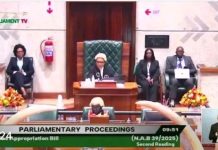
What is notable is not the complaint itself. Opposition actors have historically turned to law enforcement after parliamentary losses. What stands out is the repetition of the pattern. Courts were expected to halt Bill 7. They did not. The Select Committee was expected to fracture Parliament. It did not. The vote was expected to collapse under pressure. It passed decisively, with 131 votes at second reading and 135 at final reading.
The immediate pivot to bribery allegations reflects political frustration more than strategic recalibration.
Alongside the legal complaint sits a more emotive response from Nkana Member of Parliament Binwell Mpundu, one of the few MPs who voted against the Bill. “Some chose money while others chose to protect positions; others chose to protect the Constitution,” Mpundu wrote, describing the vote as a moral rupture. He framed himself as standing “almost alone on the floor of the House,” enduring what he termed “bullying” and “abuse.”
His statement is powerful as political rhetoric and clearly aimed at mobilising youth sentiment. But it is also revealing. It underscores how isolated the anti-Bill 7 position ultimately became inside Parliament, despite months of public confidence from opposition leaders.
What neither Mwamba’s complaint nor Mpundu’s appeal resolves is the core political problem now facing the opposition. Parliament has spoken. The Bill has passed. President Hichilema has acknowledged the vote and signalled closure, stating that “the people have spoken through their duly elected representatives.”
Whether one agrees with the outcome or not, the constitutional process has moved beyond the debate stage. Litigation may continue, but politics does not pause for court filings.
The deeper issue is strategic stagnation. The Patriotic Front, still the largest opposition party numerically, entered this process without a unified message, without a single authoritative legal brief on the contents of the Bill, and without a disciplined parliamentary whip strategy. MPs publicly vowed one position and voted another. That contradiction has now been externalised as betrayal narratives. It avoids a harder truth: MPs act where incentives, constituency interests, and political survival intersect.
Moral outrage does not replace political organisation.
There is also a credibility gap. Allegations of bribery resonate emotionally because they fit a familiar African political script. But credibility requires evidence. Naming sums, locations, and alleged facilitators without substantiation raises the risk of legal blowback and narrative fatigue.
The same opposition actors who demand due process when courts rule against them must accept due process when making criminal claims.
At this point, the political terrain is clear. Bill 7 is law pending assent. The next battlefield is electoral, not procedural. The opposition’s energy would be better spent resolving leadership questions, consolidating alliances, and presenting a coherent alternative vision ahead of 2026. Re-litigating a concluded parliamentary vote through press statements and petitions may satisfy anger, but it does not build power.
Zambian politics has entered its next phase. The governing party has secured a major institutional victory. The opposition now faces a choice it has often delayed. Continue fighting yesterday’s battle through courts and communiqués, or do the harder work of organising for tomorrow’s election.
History suggests that only one of those paths changes outcomes.
© The People’s Brief | Ollus R. Ndomu
For More News And Analysis About Zambia Follow Africa-Press