
Africa-Press – Zimbabwe. Vote Delayed. President Shielded. Power Centralised.
Zimbabwe is staring at one of the most dramatic political overhauls since the 2013 Constitution and critics say it marks a decisive shift away from democratic accountability.
On 10 February 2026, Cabinet approved Constitutional Amendment No. 3, a far-reaching Bill that rewrites how political power is chosen, how long it lasts, and how it is supervised. According to leading political commentator and researcher Dr Phillan Zamchiya, the changes signal a clean break from the spirit of the 2013 constitutional settlement a charter built on term limits, competition and institutional checks.
“This Bill moves in the opposite direction,” Zamchiya argues. Instead of restraining power, he says, it redesigns the Constitution to protect and reproduce it.
The most immediate shock? Zimbabweans will not vote in 2028.
Under amendments to key constitutional provisions, the current five-year electoral cycle is scrapped and replaced with seven-year terms for the President and Parliament. Elections are pushed to 2030.
In effect, political time stretches for the elite and shrinks for the voter.
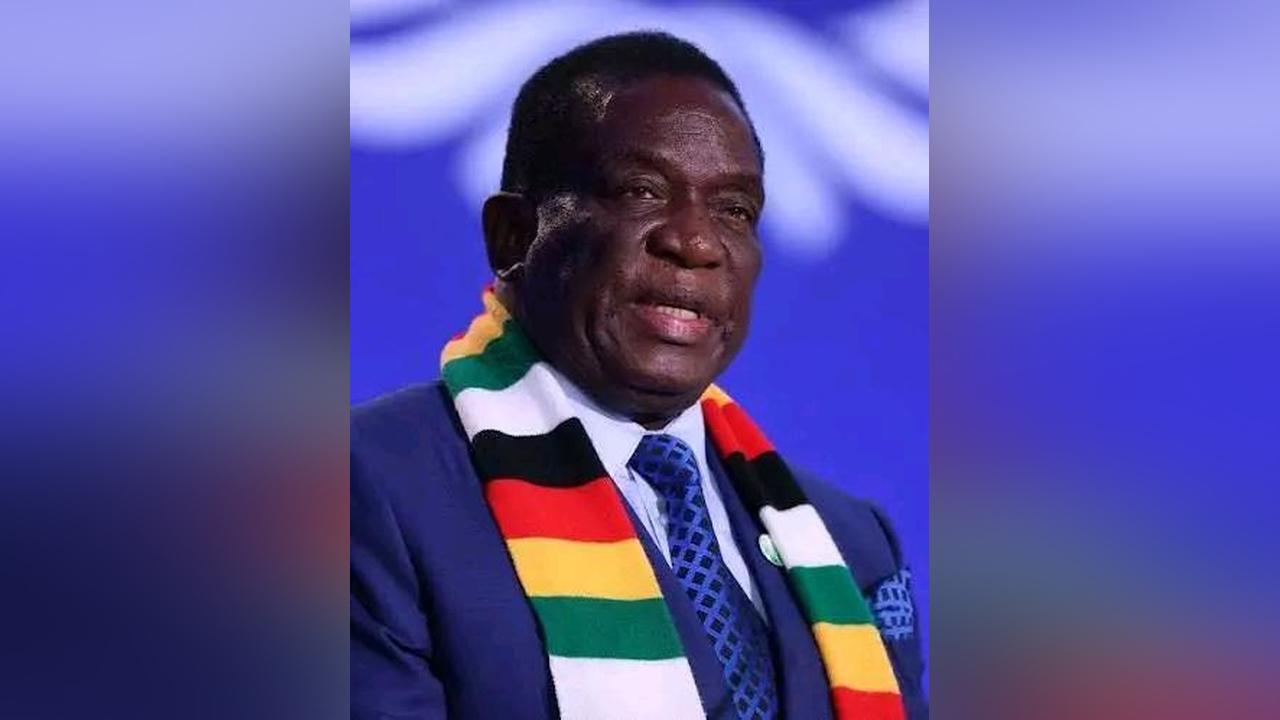
Even more controversially, the Bill suspends a constitutional safeguard that prevented a sitting president from benefiting from term extensions. Its removal clears the way for President Emmerson Mnangagwa to remain in office until 2030.
Government officials defend the move as necessary for stability. Justice Minister Ziyambi Ziyambi says longer terms will reduce the “toxicity” of constant election cycles and allow development programmes to run their course. Presidential spokesperson Nick Mangwana has gone further, describing elections as a “tax on development.”
But critics say that argument turns democracy on its head.
Elections, they insist, are not inconveniences to be managed they are moments of accountability. They force leaders to face the public regularly. Stability, they argue, must be earned at the ballot box, not engineered by extending terms.
And the changes do not stop there.
In a seismic shift, the Bill abolishes the direct popular election of the President. Instead of citizens voting directly for the Head of State, the President would now be chosen by Members of Parliament in a joint sitting of the Senate and National Assembly.
In simple terms: in 2030, Zimbabweans would vote for MPs and those MPs would choose the President on their behalf.
Supporters point to countries like South Africa and Botswana, where parliamentary systems elect presidents. But critics say the comparison is misleading. Zimbabwe’s system combines constituency-based MPs, centralised election control, and extended terms a blend that, they argue, strengthens incumbency rather than competition.
The Senate is also set to grow. The President would gain the power to appoint ten additional Senators, increasing the chamber from 80 to 90 members. While framed as a way to inject expertise, opponents say it dilutes electoral constraints and quietly expands executive influence within Parliament.
Meanwhile, the Zimbabwe Electoral Commission would be abolished and replaced with a body focused only on boundary delimitation. Core election functions including voter registration and custody of the voters’ roll would move to the Registrar General, an office historically viewed as closer to the executive.
Judicial appointments would also change. Public interviews and competitive selection processes would be scrapped in favour of direct presidential appointments. The military’s constitutional duty would shift from upholding the Constitution to acting “in accordance with” it a subtle but significant wording change, critics warn.
Taken together, Zamchiya argues, the reforms align in one direction: longer terms, centralised authority, reduced oversight, and fewer moments when citizens can reward or punish those in power.
“No new limits on incumbents are introduced. No new risks are created for those who rule,” he says.
Government calls it reform and stability. Critics call it political reengineering.
One thing is certain: if passed, Constitutional Amendment No. 3 will reshape Zimbabwe’s political future pushing the next national vote further away and moving the most powerful decision in the land from the ballot box to Parliament.
The question now is not whether the rules are changing.
It is what those changes will mean for the country’s democracy and for the millions who will have to live under them until 2030.
For More News And Analysis About Zimbabwe Follow Africa-Press