Africa-Press – Angola. With the exception of the MPLA, the political parties with seats in Parliament, represented in the province of Huíla, consider “premature” the implementation of the proposed law of the new Political-Administrative Division (DPA).
Interviewed by press today, Monday, in Lubango, the provincial representatives of the UNITA, FNLA, PRS and PHA parties stated that there is a need to invest more in the municipalities that already exist in order to later think about a new DPA.
UNITA’s provincial secretary, Augusto Samuel, said that the Executive should “urgently” implement the institutionalization of municipalities, as what is wanted is administrative decentralization and not deconcentration, as the latter has failed.
“For us, it doesn’t matter how many municipalities the Executive intends to create, but what these municipalities are. If the idea is to solve the problems of regional asymmetries, autonomy is the best way to approach governance”, he continued.
For the provincial secretary of the FNLA, Mbemba Simão, there is no need to expand the province of Huíla with another 25 municipalities (currently it has 14), if it is not possible to have infrastructure conditions in many of the current locations.
He reinforced that the State must first create the conditions in these communes and then think about whether they have the capacity to become municipalities.
The secretary of the PRS in the province, Júlia Kaquene, fears the lack of investment in future administrations and the minimum conditions that a municipality must have, as currently there are still municipalities with a lack of social services.
“For the party, this law slows down the municipalities. The focus should be on further developing the existing municipalities and then thinking about a division, since the country’s development is still weak”, he said.
For the provincial vice-president of the PHA, Manuel Joaquim Hongo, the implementation would not yet be a priority, due to the countless difficulties verified in the existing municipalities, with a lack of basic social services in the communities.
He stressed that implementing the DPA runs the risk of having leaders enrich themselves, harming the majority, so they think it is more opportune to evaluate such a document after the next elections.
On the other hand, the head of the MPLA’s Information and Propaganda department in Huíla, Joaquim Cacumba, said that the new DPA arrives in a timely manner and intends to create conditions for a better approximation of citizens to political decision-making centres.
He also highlighted the guarantee of an adequate response capacity to provide a more efficient public service to the population, and encourage the settlement of inhabitants in certain parts of the national territory as advantages of the DPA.
He stressed that it will not be enough to increase the number of municipalities for everything to happen positively and automatically, which is why they defend the conclusion of the process of transferring competences from ministries and provincial governments to municipal administrations.
“It is also essential to reinforce the mechanisms for citizen participation in governance and thus improve public services at the municipal level, through a frank, open, assertive and unprejudiced dialogue”, he continued.
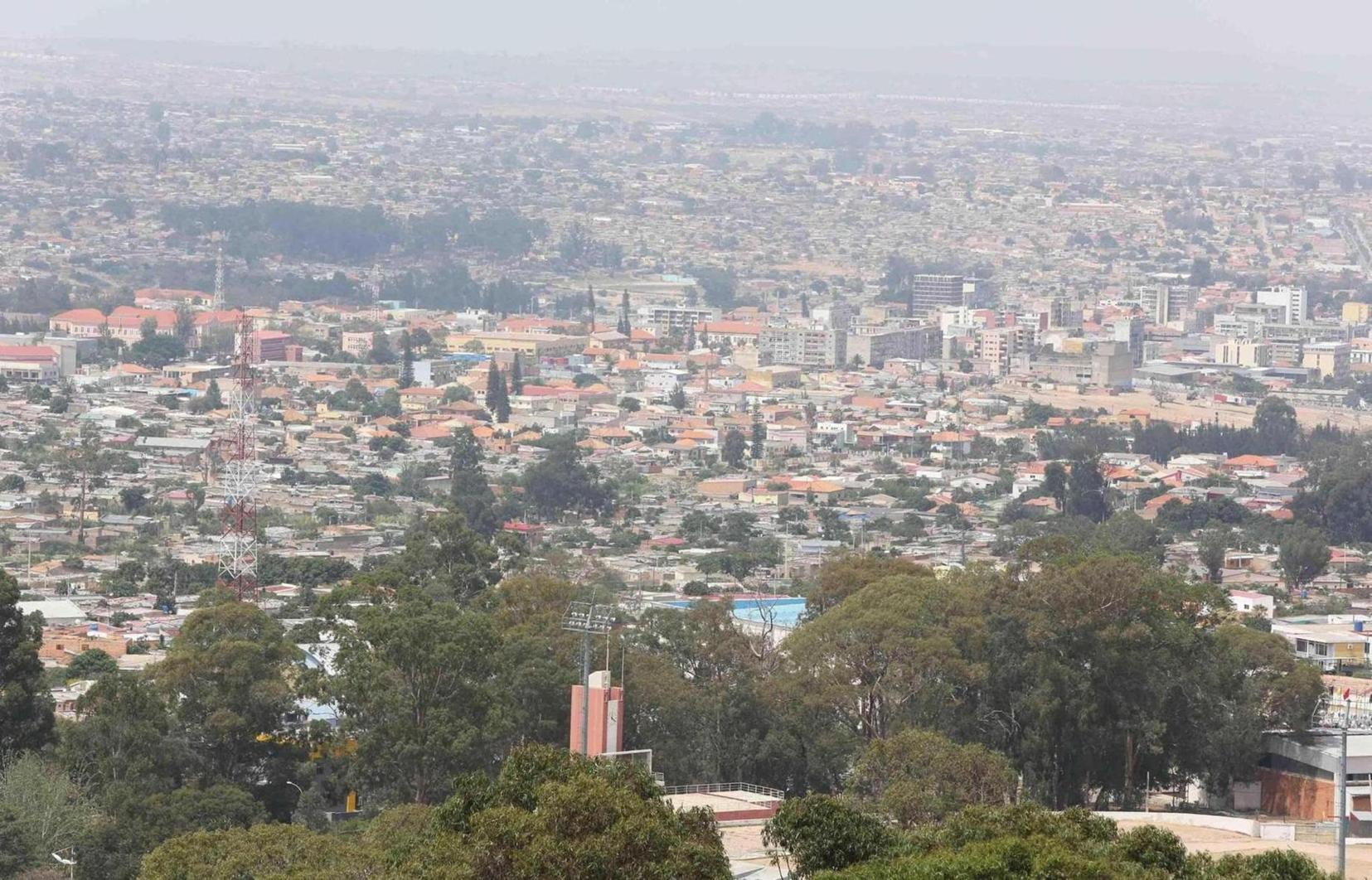
The province of Huíla, with an estimated population of three million 282 thousand 968, currently has 14 municipalities and with the new DPA, in case of approval, it will have 39.
The proposed Law for the New Political-Administrative Division of the country aims to promote the harmonious development of the national territory. It should go to Parliament after approval of its final version by the Council of Ministers.
The project proposes to change the State’s model of municipality, approved by the Council of Ministers, with the division of the provinces of Cuando Cubango and Moxico into two, thus making 20 provinces and an increase from 164 to 581 municipalities.
For More News And Analysis About Angola Follow Africa-Press