Africa-Press – Angola. The Angolan banking sector adapted the harmonized accounting system of the International Accounting Standards Board (IASB), a European entity responsible for drawing up and publishing standards used by more than 140 countries around the world.
The IASB established international accounting standards (IAS) and international financial reporting standards (IFRS), standards that guide the preparation and presentation of companies’ financial statements.
According to the Deputy Director of the Department for Regulation and Organization of the Financial System, Pedro NTiama, the full adoption of IAS/IFRS by the sector allowed the country to be included in the group of countries that require or allow the application of such tools.
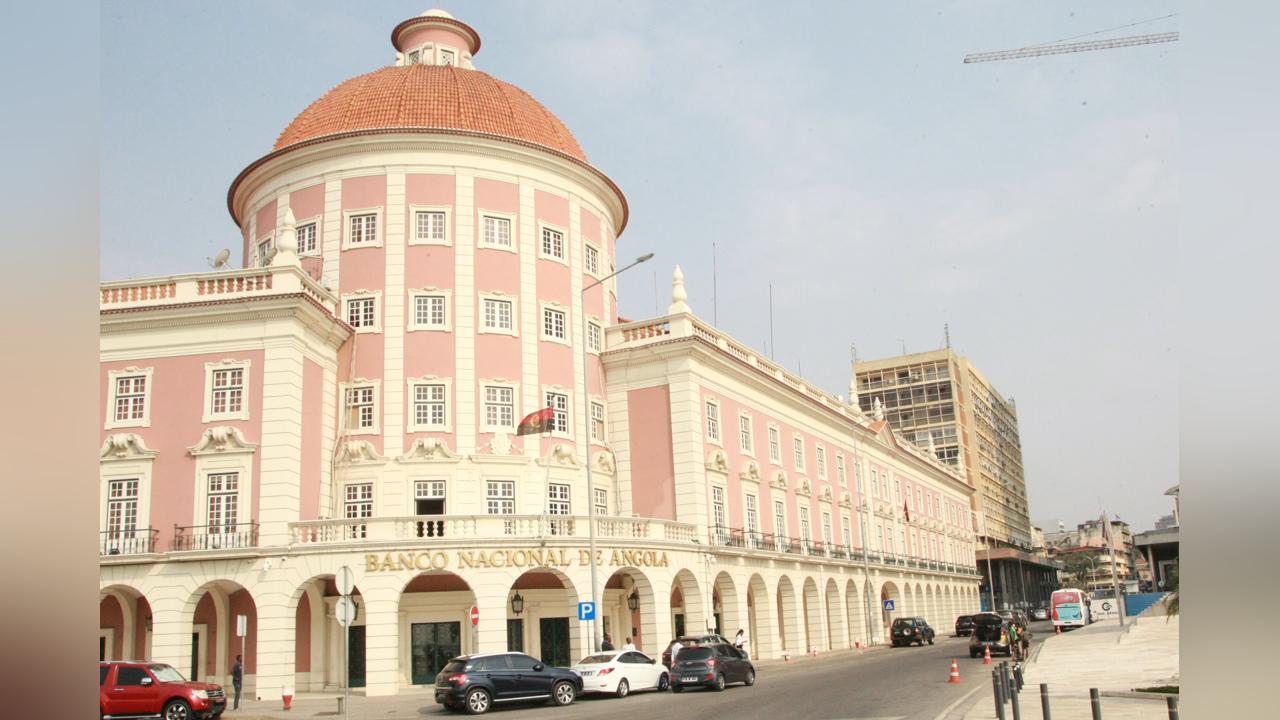
Former coordinator for the implementation of IAS/IFRS at BNA, Pedro NTiama, spoke at the 3rd edition of the training seminar for economic journalists, having addressed the topic “Accounting Standardization and Harmonization of the Angolan Financial Sector”.
For the adoption of the harmonized accounting tool, the National Bank of Angola (BNA) took 14 years, 2005/2019, a process that required the acquisition of new software and the holding of more than 60 training sessions for staff in the banking sector
According to the senior staff of the BNA, Pedro NTiama, Angola went through several stages until reaching its fullness, undergoing a diagnosis at national level.
Before, according to the official, the financial sector had a general plan of account (PGC) that brought enormous difficulties to commercial banks, such as problems with accounting records, whenever new products were created, which forced the opening of new sub-accounts.
Taking into account the role of the Central Bank and the recommendations of the IMF, the World Bank and other multilateral organizations, Angola was on the margins of international requirements.
“We were working until we converged. This work led, in a first phase, to the alteration of our general plan of accounts, already revoked”, he said.
He continued, commercial banks and the BNA itself no longer need to create sub-accounts, after the current account plan is in line with international standards.
“(…) has facilitated in a certain way the activity carried out by commercial banks”, he guaranteed, maintaining that it works as a database, containing all available codes.
As an example, the person in charge made it known that if someone wanted to find out the amount of credit that a commercial bank has granted to a certain location, it is possible to obtain the information without difficulties in the said system.
With the adoption, he said that any foreign investor today can make a clear reading of what are the financial statements published by commercial banks, since the principles are universal.
“Nowadays, a foreign investor no longer has difficulties in reading the reports and accounts published by the banks, because they also publish the documents in the English language”, he stated.
Angola is on the map
In September 2014, the IFRS Foundation even published on its website the profile of Angola regarding the adoption of IAS/IFRS, a publication updated in September 2015.
For Pedro NTiama, the publication of Angola’s profile is a relevant milestone in the process of international recognition of the full adoption of IAS/IFRS, noting that the country is currently on the world map of countries that have adopted the said standards.
In Angola, the application of the criteria defined by the BNA resulted in a total of 14 banking financial institutions eligible for the full adoption of the IAS/IFRS, in the 2016 financial year.
According to the list, the first phase included BFA, BAI, BIC, BPC, Banco Econômico, BNI, Standard Bank, VTB Africa, Finibanco, Standard Chartered, BDA, Banco Sol, Atlântico and Caixa Angola.
These banks embraced the BNA’s criteria, including having assets in excess of Kz 300 billion, being listed on the stock exchange, having a subsidiary represented abroad, among other requirements.
Institutions that did not comply with any of the criteria only succeeded in 2017, and the list at the time included BCI, BANC, BCA, Banco Prestígio, Banco Pungo Angondo (out of the market), Banco Keve, BMF, BCS and BIR , some of them currently outside the financial circuit.
For More News And Analysis About Angola Follow Africa-Press