Africa-Press – Angola. Father Amândio Graça Katula appealed, this Tuesday, in Huambo, to the population in order to contribute to the preservation of the national historical heritage, where native languages and monuments and sites appear.
The Catholic priest, who was speaking at a lecture on “Heritage and Change”, which marked the commemorations of the International Day for Monuments and Sites, which is celebrated yesterday, considered the contribution of families and schools in teaching native languages to be important, as a way of preservation of intangible cultural heritage.
With regard to material cultural heritage, such as museums and historic sites, Father Amândio Graça Katula advocates greater dissemination and protection, in addition to safeguarding the essence and architectural structure of these places in case of requalification.
On the other hand, the King of Huambo, Artur Moço, called for greater dynamism on the part of the Angolan Government in the requalification of monuments and sites, including access roads, with a view to giving greater dignity to these places of cultural, historical and tourist interest.
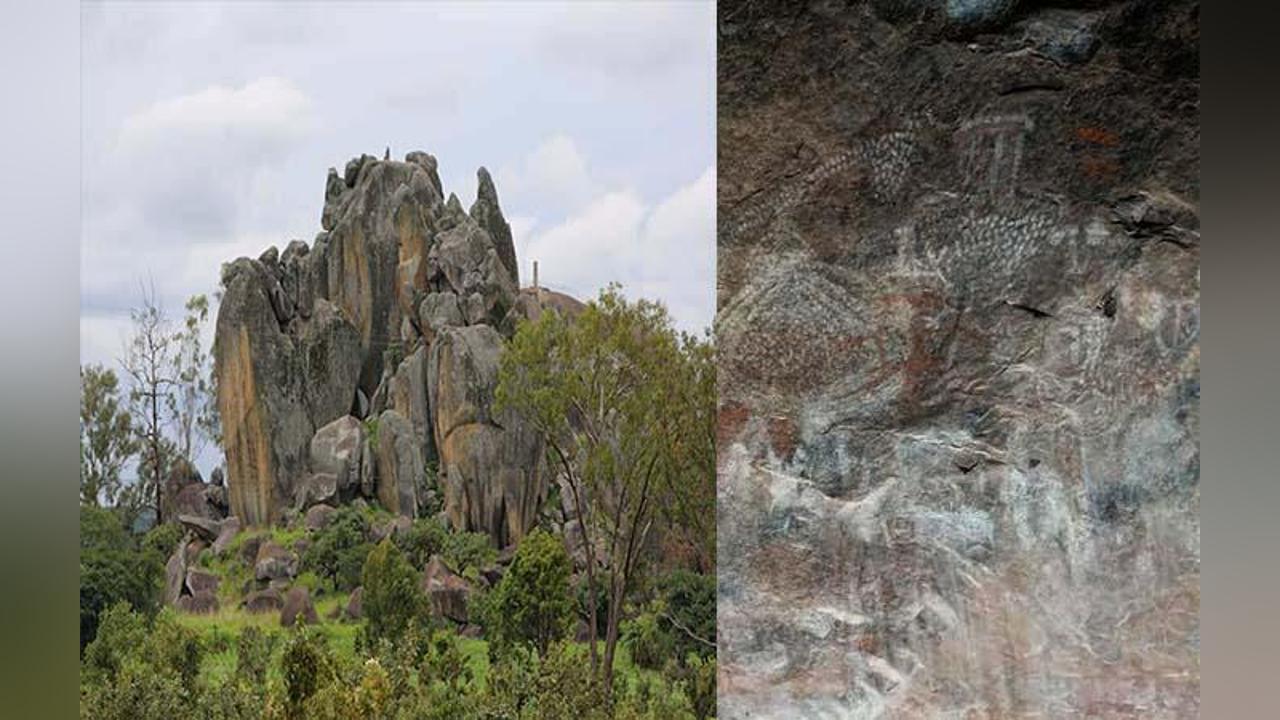
As an example, the Sovereign pointed out the Fort of Quissala and Ombala/ Huambo, as the places that need intervention, in terms of improving their image and, at the same time, the access roads.
The director of the Office for Culture, Tourism, Youth and Sports in Huambo, Jeremias Piedade Chissanga, informed that the local government plans to reclassify, between 2023 and 2027, the 132 monuments and sites in the province of Huambo, seven of which have been elevated to Historic- National Culture.
At this time, another six are awaiting elevation to this category, namely the Catholic missions of Cuando and Canhe, Adventist do Bungo, Evangelical do Chilume, Ombala Mbalundo and Montanha Halavala.
The International Day for Monuments and Sites (DIMS) is celebrated annually on the 18th of April.
The event was created by the International Council on Monuments and Sites (ICOMOS) in 1982. The following year, the United Nations Educational, Scientific and Cultural Organization (UNESCO) recognized the date at the 22nd General Conference.
The purpose of the date is to highlight the importance of monuments and sites in the history and identity of various peoples, as well as to call for their preservation and enhancement.
For More News And Analysis About Angola Follow Africa-Press