Africa-Press – Angola. Trafficking in human beings (THR) continues to cause millions of victims all over the world, with emphasis on vulnerable women and children, sold every year at a “golden price”, without any choice.
According to the United Nations (UN), more than 2.4 million people enter, every year, this harsh condition, which worries societies and requires adequate responses
from world leaders.
UN data indicate that this business, which is repudiable under international law, moves annually 32 billion dollars worldwide, 85% of which comes from sexual exploitation.
Specifically, according to the UN, of the more than 2.4 million people trafficked, one million are victims of sexual exploitation, with the crime affecting around 127 countries.
However, a Report on Trafficking in Persons, released last June by the US Department of State, estimates that around “27 million people in the world are victims of human trafficking and forced labor”, most of them women.
It is, therefore, one of the most serious forms of violation of human rights, that is, a complex phenomenon, in most cases transnational, of a hidden and constantly changing nature, which results from several factors.
According to several specialists, behind this phenomenon are, among other reasons and motivations, organized crime, gender issues, the social vulnerability and fragility of populations.
As this is a worldwide issue, Angola is unfortunately no exception. In the last eight years, the country began to feel, in practice, the consequences of this phenomenon.
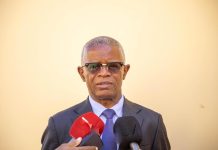
In the period in question, according to the national director of Human Rights, Yannick Bernardo, the country recorded “142 cases of trafficking in human beings”, which corresponds to an average of 17.7 per year.
The occurrences resulted in 26 convictions and three acquitted citizens, with Cunene province leading the list with 40 percent of the cases, followed by Cabinda, Zaire and Lunda Norte.
Indeed, the Angolan Government created an Interministerial Commission to Combat Trafficking in Human Beings, which approved, in 2020, its first National Action Plan to contain the phenomenon.
This plan, which aims to prevent and combat trafficking in human beings in Angola, is underway within the framework of the National Strategy for Human Rights.
The aim is, essentially, to prevent human trafficking, protect and assist victims, hold criminals accountable in a serious and effective manner, increase investigations and promote national and international cooperation, in order to achieve the established objectives.
The Action Plan to Combat Trafficking in Persons 2020/2023 promoted the development of a
national reference mechanism, including standardized operational procedures for assisting and referring victims.
The elaboration of this instrument is a clear indicator of the Angolan Executive’s determination to ensure protection and assistance to victims of trafficking in the country.
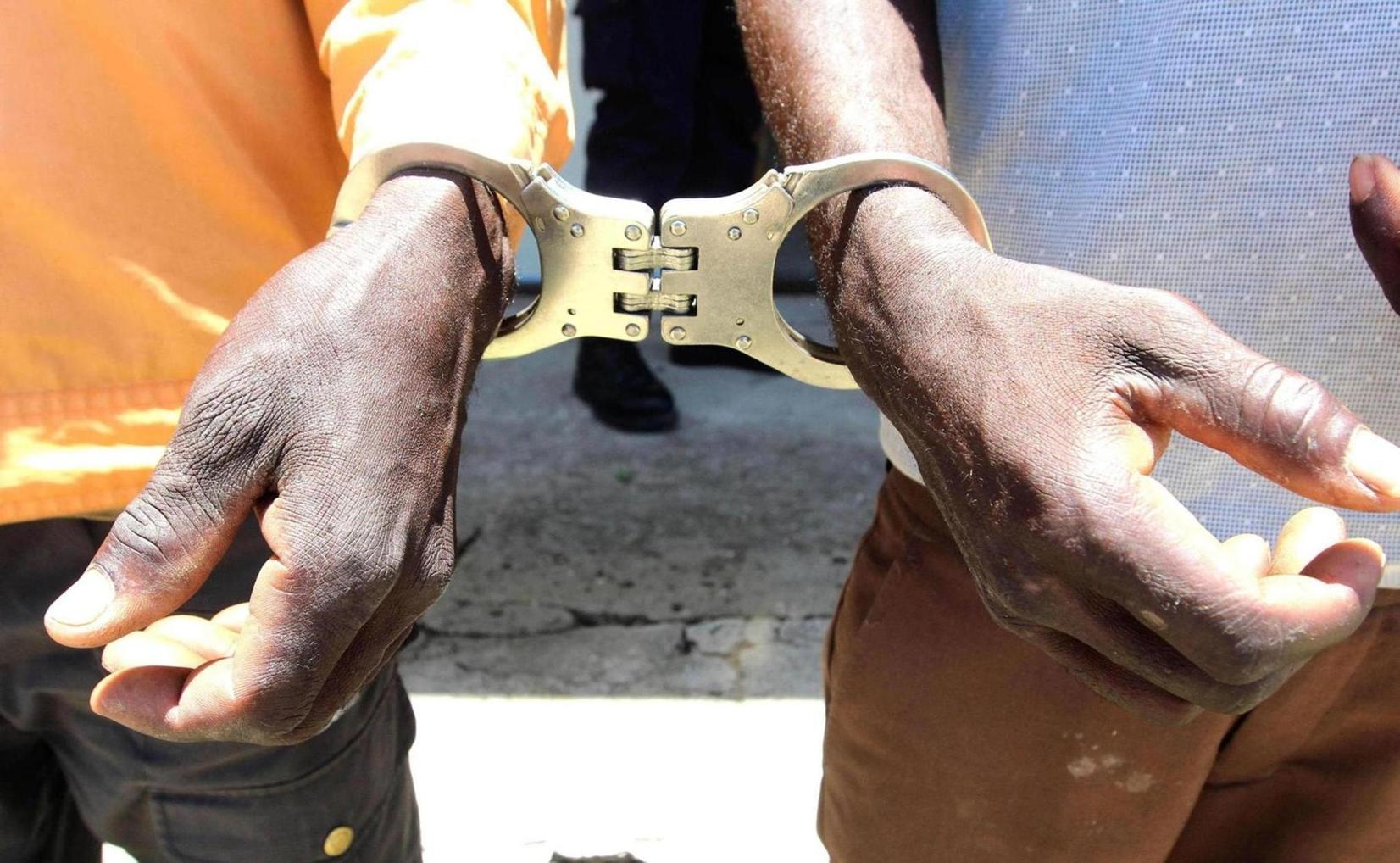
Still to discourage such practice, the Government of Angola increased, in 2021, the penalties resulting from this phenomenon, which vary from 2 to 8 years in prison, which can be increased depending on the situation.
Despite the measures, the fight against trafficking in human beings must continue to deserve special attention and be part of the Government’s priorities, taking into account the social impact it has on the victims’ families.
To this end, Angola must strengthen mechanisms for migratory control and inspection around its vast border area, especially the land borders.
Only with effective and permanent measures will the country be able
to circumvent the effects of this phenomenon, which constitutes a tough challenge for States, in particular those with the highest poverty indicators.
Trafficking in Human Beings, whose World Day is celebrated this Sunday (July 30), is a phenomenon that mainly affects women and young people. Their destination is the sex market or forced labor.
Conflict scenarios, refugee and migrant flows also contribute to the growth of this crime.
This year, the date is celebrated under the motto “Every human trafficking matters: leave no one behind”.
The World Day against Trafficking in Human Beings was proclaimed through Resolution 68/192, adopted by the UN General Assembly on December 18, 2013.
For More News And Analysis About Angola Follow Africa-Press