Africa-Press – Angola. The process of granting a tourist visa to Angola is now quicker, in an action that aims to boost activity in the sector and increase revenue collection for the country.
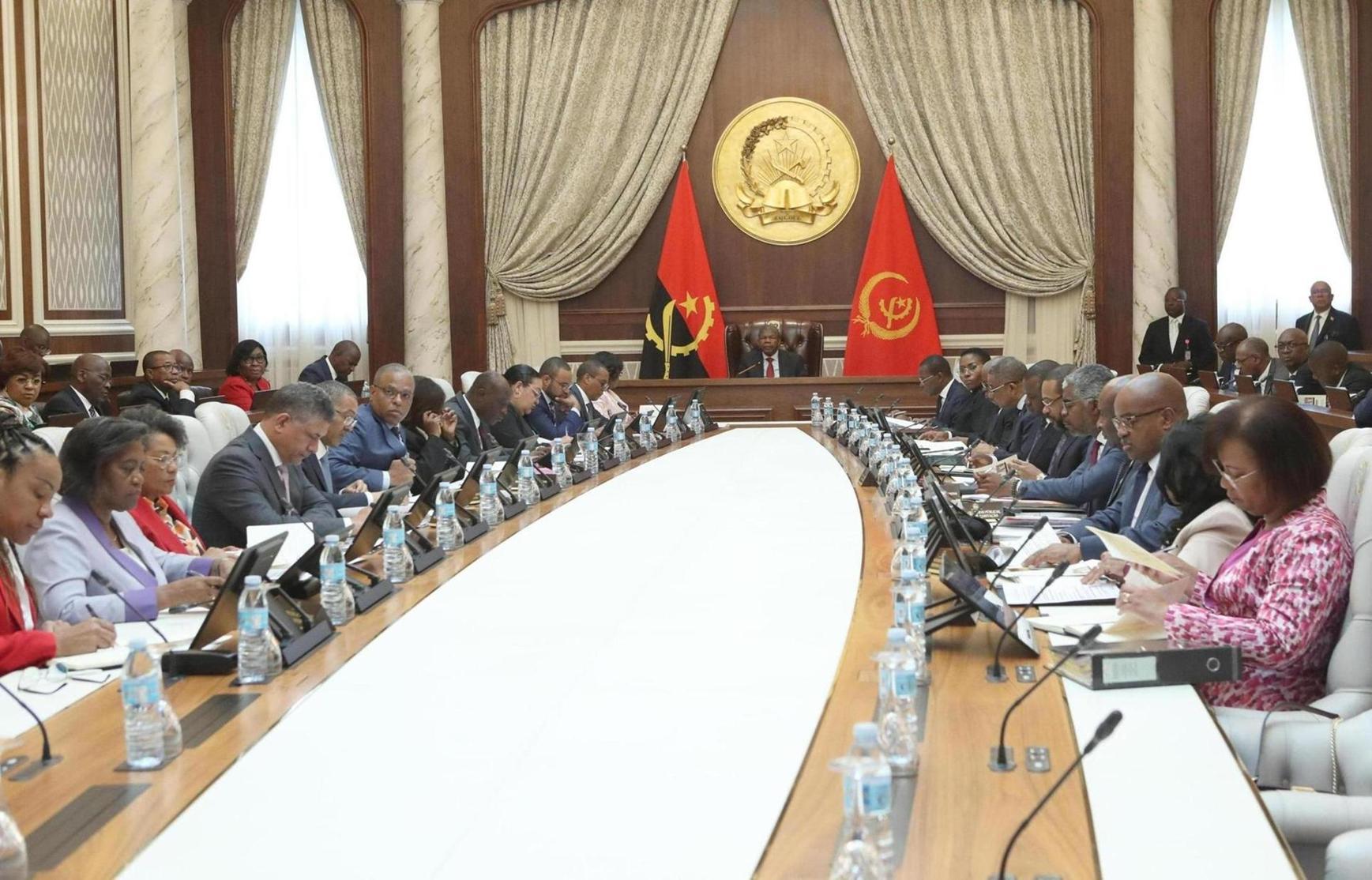
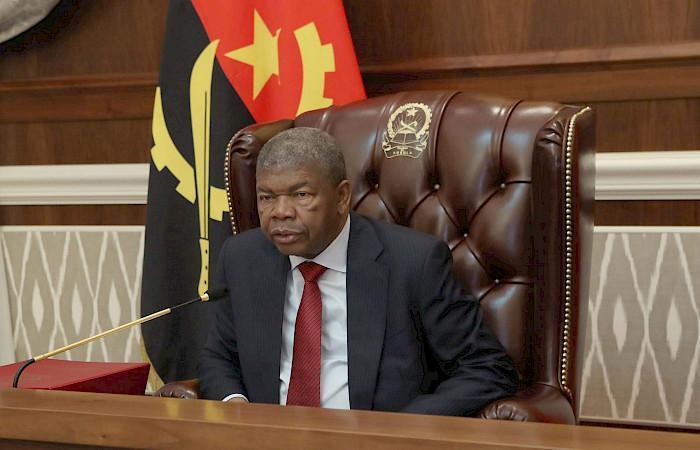
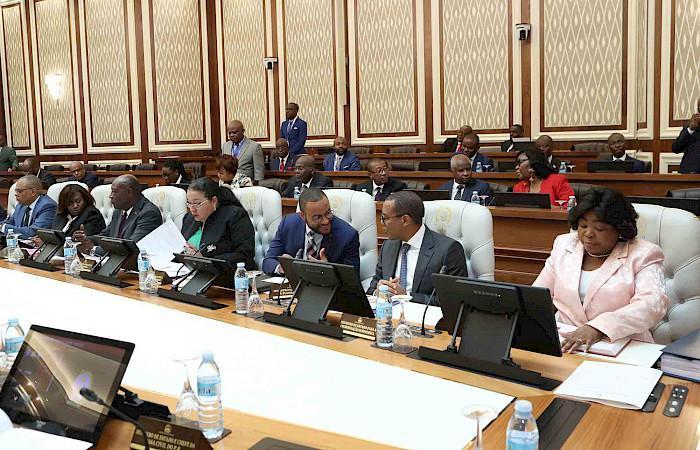
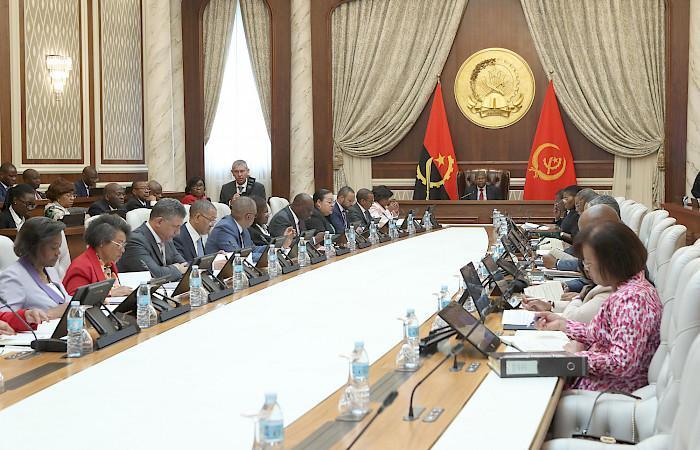
The measure was approved by the Council of Ministers, which met this Wednesday in an ordinary session led by the President of the Republic, João Lourenço.
With this action, the Angolan Government seeks to promote tourism, trade and, consequently, increase employment in different sectors of the economy.
Inserted into the economic agenda and measures to stimulate the national economy, the decision essentially has an economic and not just a migratory focus.
The meeting communiqué indicates as beneficiaries, among others, the G20 countries.
The Group of 20 (G20) is made up of 19 countries (Argentina, Australia, Brazil, Canada, China, France, Germany, India, Indonesia, Italy, Japan, Republic of Korea, Mexico, Russia, Saudi Arabia, South Africa, Turkey, United Kingdom and United States of America) and the European Union.
In the field of Culture and Tourism, the amendment to the Organic Statute of the aforementioned ministry (Culture and Tourism) was approved, with a view to adjusting the structure of the Legal and Exchange Office to the new dynamics undertaken by the body.
In the field of Public Administration, Labor and Social Security (MAPTSS), the Council of Ministers approved the Presidential Decree that creates the Public-Private Dialogue Mechanism for Technical Education and Professional Training, a consultation body of an advisory nature.
The Decree establishes, among other aspects, rules on forms of participation in the definition and monitoring of technical education and professional training policies.
The document aims to intensify exchanges between the Executive and social partners, with a view to increasingly participatory management of the different actors in technical education and professional training.
The aforementioned Mechanism also includes the Technical Education and Vocational Training Revitalization Project.
This is an action financed by the European Union and aims to provide graduates of technical secondary education and certified professionals with skills suitable for the job market.
Its creation is intended to strengthen the strategic management capabilities of “relevant Public Institutions” at central and local level, as well as with the private sector.
Oil and gas domain
In the oil and gas segment, the Council of Ministers approved the Presidential Decree that Alters the Concession Area of Block 17, for the integration of the Manganês Field into the Dália Development Area.
The strategy aims to add value to the various existing projects in Block 17, allowing for a more efficient and rational use and profitability of the existing facilities.
Also in the oil sector, the Addendum on the Amendment to the Production Sharing Contract for Block 3/05 was approved, a document that defines the terms and conditions of the changes to be made to the existing Production Sharing Contract.
The purpose of the Addendum is to unify the Development Areas Palanca, Pacaça, Cobo, Impala, Impala SE, Pambi, Ombo and Búfalo in Block 3/05.
Transport
In the Transport Sector, the meeting approved the regulation that establishes the standards and procedures that govern the exercise of the activity of road equipment workshops and related facilities.
The regulation aims to implement the measures of Act number 15 of the SIMPLIFICA 2.0 Project, towards the integration of services involved in its licensing.
Preschool legal regime
In the Education sector, the Council of Ministers approved the legal regime for the pre-school subsystem.
The aforementioned instrument establishes the rules on the organization, operation, control, supervision and inspection of educational institutions in the subsystem and pre-school education.
One of the goals of the strategy is to stimulate the child’s intellectual development, in the affective, civic, social, psycho-motor and cognitive domains.
Protection for people with albinism
With regard to the health sector, the Support and Protection Plan for people with albinism was endorsed, an instrument that establishes the main sectoral tasks of support and fulfillment of the rights and interests of people with this condition.
The Plan also provides for social inclusion, effective judicial protection, the promotion of nutritional sustainability and the execution of socio-economic support programs.
Foreign policy
Within the framework of Foreign Policy, the Council of Ministers approved the Agreement for the exchange of notes between the Government of Angola and Japan, for the implementation of the Economic and Social Programme.
With this Agreement, the Executive intends to strengthen the demining sector, a legal instrument whose objective is to follow up the implementation of the program in execution.
The Council of Ministers is a collegial body that assists the President of the Republic, as holder of the Executive Power, in formulating and conducting the general policy of the country and Public Administration.
angop
For More News And Analysis About Angola Follow Africa-Press