Africa-Press – Angola. The entry into force of the new Customs Tariff version 2022, scheduled for next April, will encourage producers to increase national production, as it is one of the instruments that increases import taxes on goods produced on a large scale in the country.
According to the technician from the national directorate of General Tax Administration (AGT) services, Altino Lourenço, the document, approved by Presidential Decree 1/24 of January 3, is aligned with the set of economic measures that will allow the cultivation of agricultural products on a large scale that the country needs for food self-sufficiency.
Speaking during the announcement of the respective Customs Tariff, the person in charge recalled that the document also foresees an increase in rates of up to 55%, with 11 products in the basic basket exempt from tax.
He said that the reduction in taxes on food products in the agricultural, livestock and fishing sectors will also reduce the price of these products on the national market, gradually returning purchasing power to families.
With this, he predicted, the agenda will be reflected in the improvement of citizens’ living conditions, as the changes and proposals are related to the reduction of taxes in sectors whose products are closely linked to people’s consumption.
In terms of relief, he also highlighted the 50 percent reduction in import taxes on cars, footwear, raw materials, among others.
Altino Lourenço also highlighted the reduction from 10% to 2% in cell phone fees, in order to encourage the use of this product in remote areas.
For his part, the head of the local finance department, Óscar Kukeinge, praised the importance of the act of publishing the Customs Tariff, as it helped to enlighten the customs community about the main changes introduced in the document and the reasons for its amendment, in order to correct application is guaranteed.
For the person responsible, the customs tariff constitutes a highly relevant instrument of preliminary instructions and incidences of tariff code rates, to implement economic policies leading to the national production process, increase and diversification of imports, with a view to improving the living conditions of populations.
He also highlighted that the document constitutes opportunities for Angola to join the Continental Free Trade Area, representing an important milestone in the customs field with the need to adapt customs legislation to the new reality.
Therefore, he called on those involved to carry out with courage and determination the mission of improving the national tax system, placing it at the service of the State, in order to adapt to the country’s economic context and the technical and technological evolution of international trade.
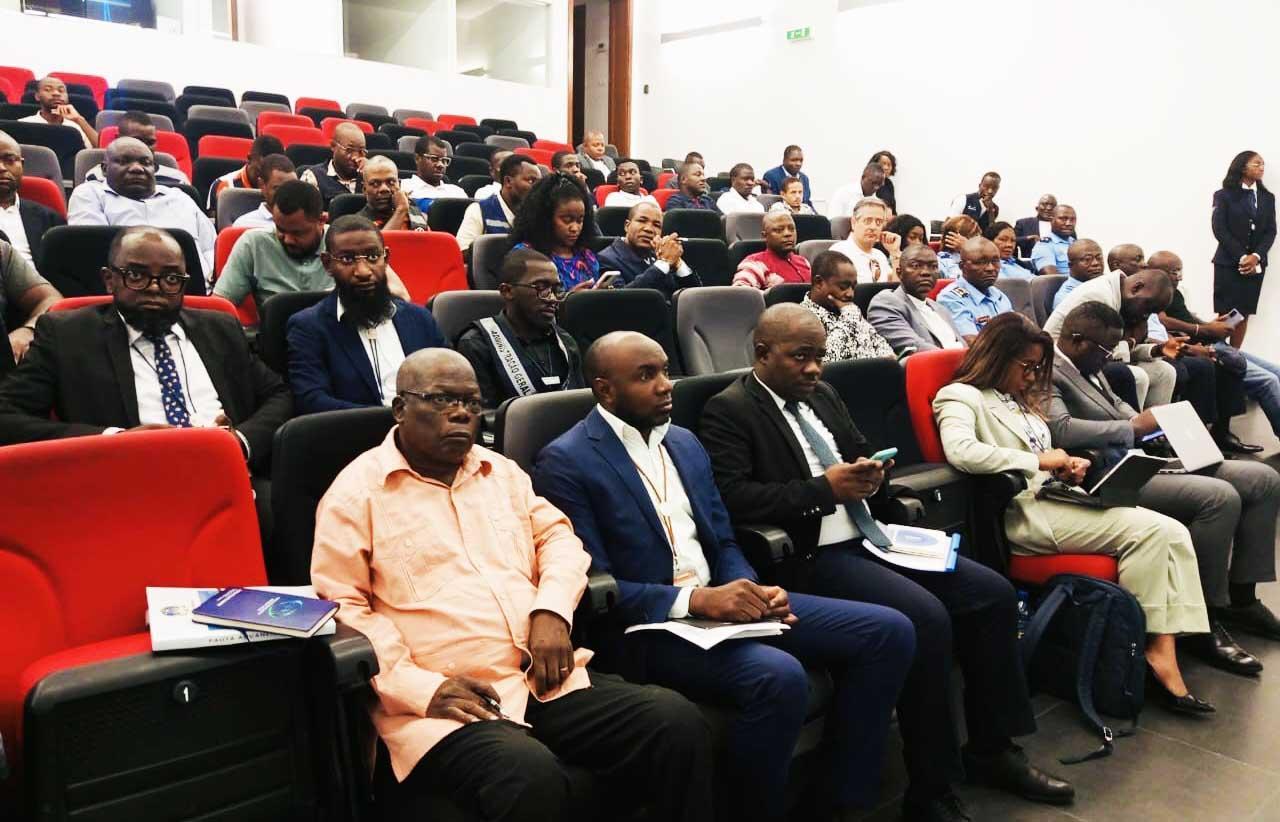
The meeting was attended by economic agents, bodies from the Ministry of the Interior (Minint) that intervene in the supervision of economic activities and others, employees from the General Tax Administration, customs agents, among other guests.
Currently, the sixth tax region controls 17 thousand 298 taxpayers with economic activities, of which nine thousand 342 in Cunene and seven thousand 956 in Cuando Cubango.
For More News And Analysis About Angola Follow Africa-Press