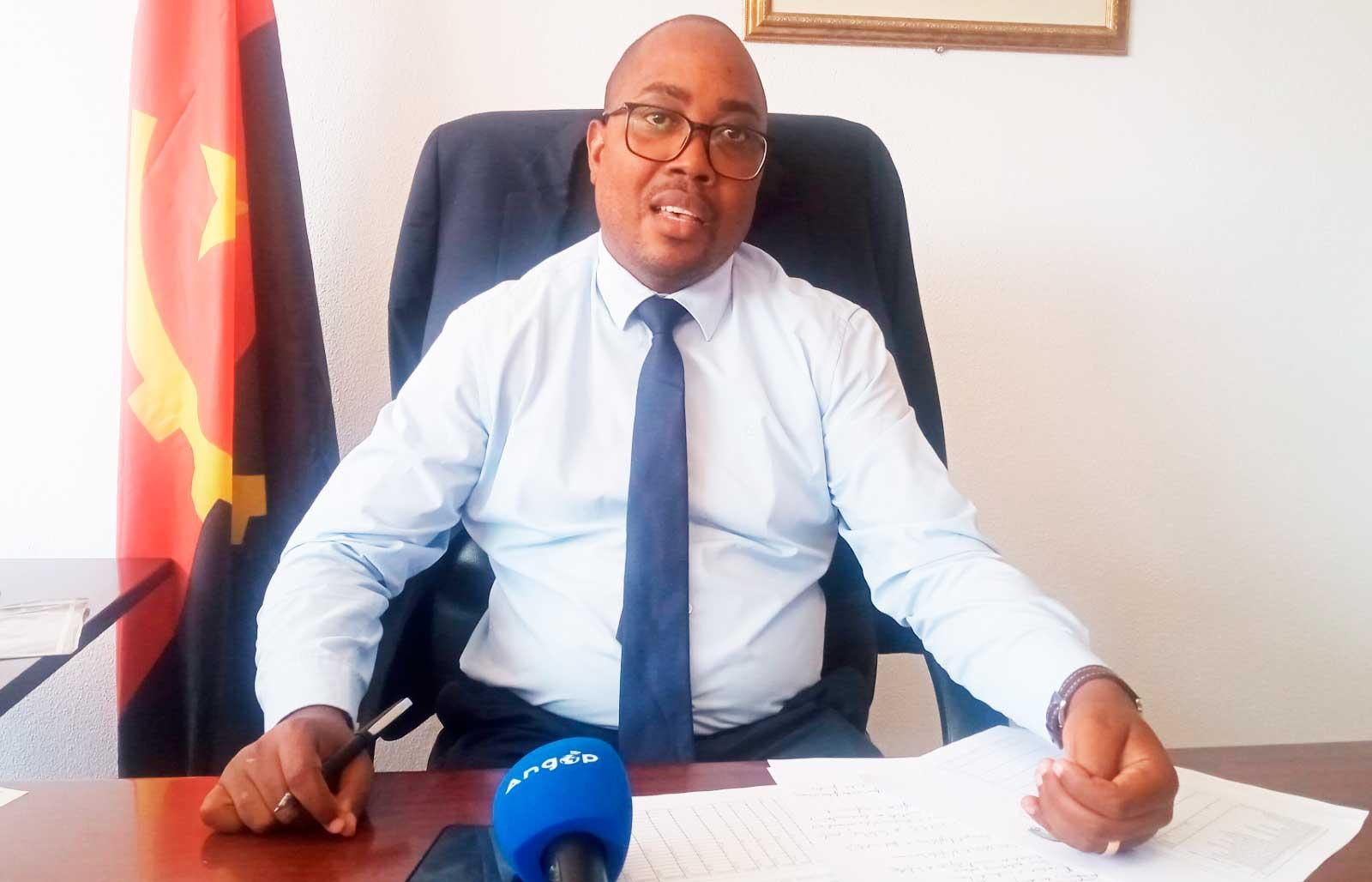
Africa-Press – Angola. The Registrar of the District of Huíla, Nivaldino Cassiano dos Santos, considered that the culture of the province’s inhabitants in carrying out land registration is still “low” and they only resort to the procedure because of the banks’ demands when they apply to financing.
Land registration is a special branch of Administrative Law that governs the organization and functioning of State services, responsible for ensuring the protection of third parties and publicizing the legal status of a property.
Like other public registration systems, the property is part of the so-called Public Administration of Private Law, forming part of a set of legal standards that certify and give good faith to certain legal acts of a private nature.
It is an administrative procedure that aims to publicize the legal status of the building or to externalize the existence of real rights, that is, it is through the information made available by the land registry offices (competent body), that interested parties will be able to know which it is the composition of a given building.
Accordingly, in statements, in Lubango, the conservative Nivaldino dos Santos, highlighted that the functioning of the land registry is “good” in terms of level, but admits that there is a “large” number of properties to be registered.
He highlighted that there is a constant updating of certificates, especially for banking purposes, in which the Registry requires the bank contract, a notary’s authentication term and the certificate of the property, the subject of a mortgage.
He highlighted that land registration culture is still low in the province of Huíla, although it is growing, but still far from what is necessary, as in 2023, 1,527 different registrations were carried out, an average of 127.25 registrations/month.
According to the conservator, in January of the current year, 148 registrations were carried out, of the more than 20 acts of land registration that the conservatory carries out, with emphasis on surface rights, issuance of land certificates, housing rights, mortgage registration, registration of mortgage cancellation and other endorsements.
He mentioned that the fees charged for the legalization of properties are not high, for example a property valued at more than one billion kwanzas, registration costs 105 thousand.
The Ministry of Justice and Human Rights launched, in 2021, the land registration mass program, with the aim of registering more than three million properties by 2027. This year the second phase of this project began, the main goal of which is to register properties confiscated and nationalized by the State, as well as those covered by PROPRIV.
At issue are properties built and left by the Portuguese State and, therefore, confiscated by the Angolan State, after national independence, on November 11, 1975, in light of the law of nationalization and confiscation, and not properties confiscated in legal proceedings.
The initiative aims to transform the lives of thousands of Angolans, who faced various difficulties and were unable to regularize their properties.
For More News And Analysis About Angola Follow Africa-Press