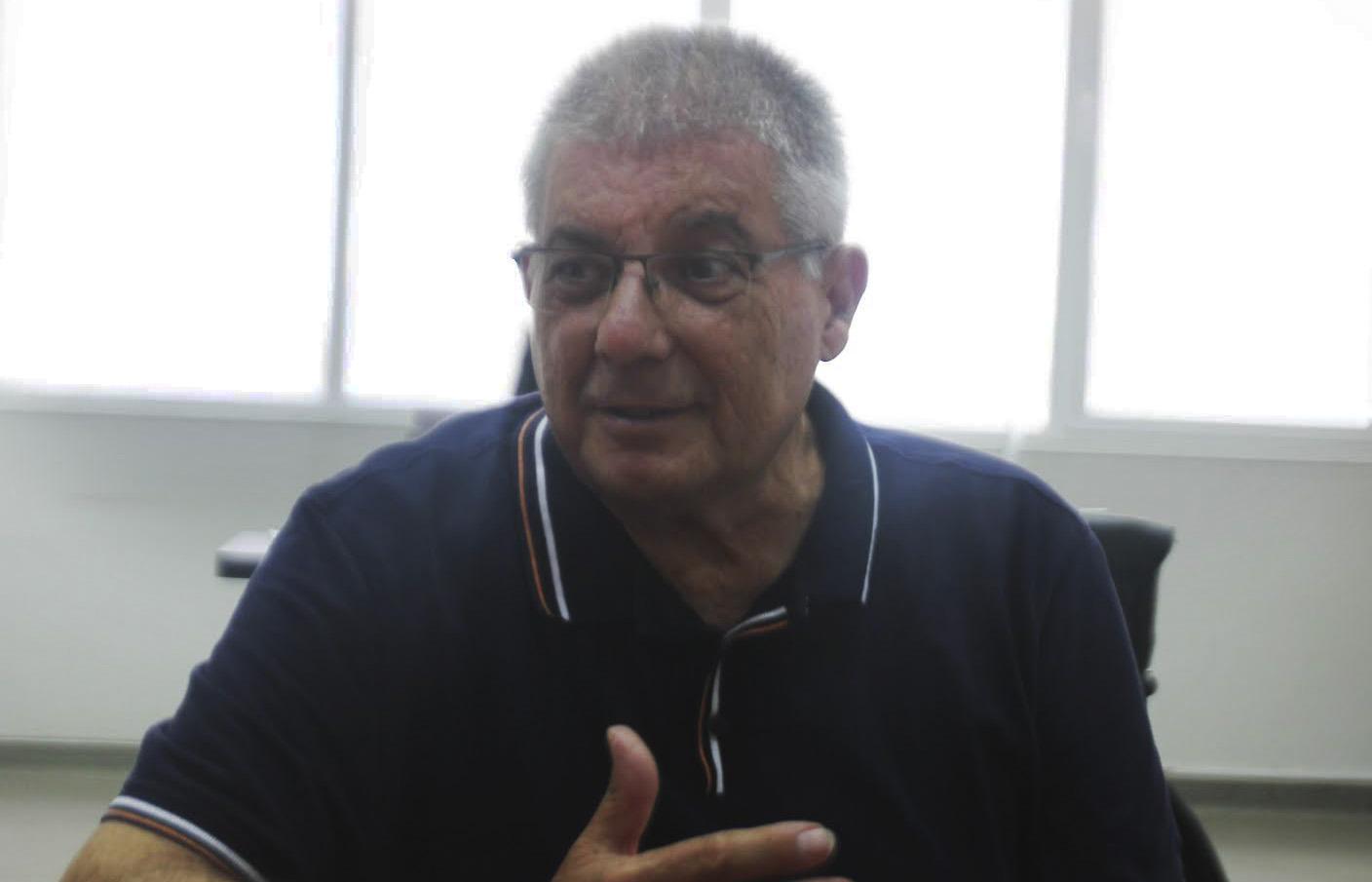
Africa-Press – Angola. The director of the Center for Economic Research at the Lusiada University of Angola (CINVESTEC), Heitor Carvalho, defended, this Wednesday, the projection of new oil investments, to prevent a shortage of “black gold” in 2033.
The official was speaking during the presentation session of the economic report for the third quarter of 2023, in a meeting that brought together university professors, students, researchers in economic sciences, businesspeople, public and private managers.
He stated that without new investments in the sector, Angola could experience a shortage of oil in the next nine years, hence the need to work on projecting new reserves for exploration and, consequently, increasing policies related to the diversification of the economy.
He explained that, currently, attention is focused on oil reserves already discovered decades ago, whose production cycle could end if investments in the sector are discarded to create new exploration stations for “black gold”, with greater weight in the national economy.
He said it was urgent to implement programs on the diversification of the Angolan economy, based on the production of non-oil revenues, thus stimulating the dynamization of domestic commercial activity and the creation of companies consistent with sustainable development.
Heitor Carvalho said that the General State Budget (OGE) could be at risk if the country continues with an economy dependent on oil revenues.
For this reason, he highlighted the need to open new productive alternatives, which promote and ensure the well-being of the population in the communities.
The director of the Center for Economic Research at the Lusíada University of Angola (CINVESTEC) also defended the need for the State to recognize property rights, so that it is possible to create decisive capital to increase the country’s non-oil revenue.
He pointed to the reduction of external debt and government expenses, as another economic strategy that can contribute to the creation of added value, to soften the Angolan business environment.
On the other hand, he recognized the efforts of the Angolan Executive in resolving social and economic problems, but hopes to attract new investors to create new oil reserves, to combat the scarcity of “black gold”.
Oil in Angola also commands tax revenue and has been decisive in the sustainability of the economy.
Operating in the province of Huambo since 2013, the Instituto Superior Politécnico Lusíada do Huambo, with a student population estimated at 700 currently, has 75 teachers, including masters and doctors.
In 10 years of existence, it has trained more than two thousand 500 graduates in Accounting, Law, Business Management, Human Resources Management, IT and Psychology.
For More News And Analysis About Angola Follow Africa-Press