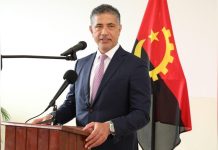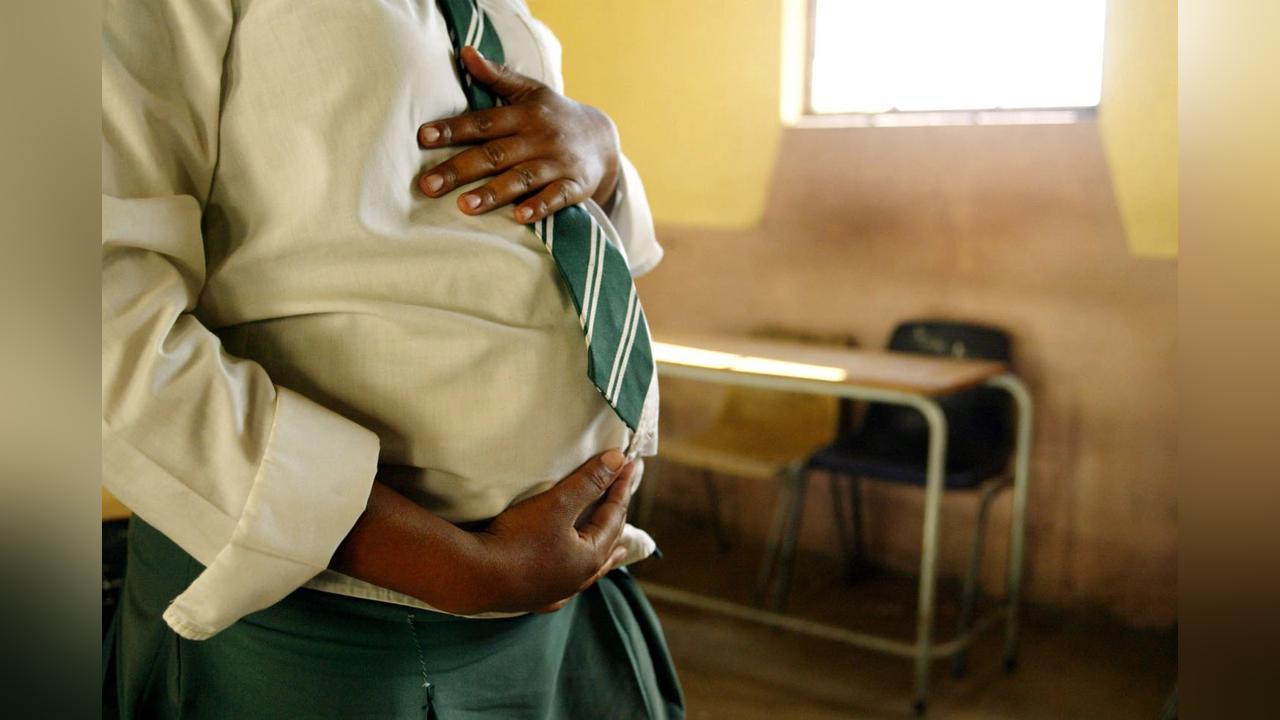
Africa-Press – Angola. The provincial governor, Marcos Nhunga, defended Wednesday, the need to reinforce the involvement of schools and churches in the fight against early pregnancy, due to the alarming contours that the phenomenon has reached in recent times.
The government official launched this challenge, during a workshop on the “Role of the Family in the Preservation of Moral Values and Combating Sexual Abuse” and “Family Planning: Causes and Consequences”, promoted by the Group of Women Parliamentarians of the National Assembly, which works in Malanje.
According to Marcos Nhunga, along with teenage pregnancy, deviations from moral values and sexual abuse that are currently occurring are a concern for the government, as they endanger social progress and affect the well-being of families, Hence, there is an urgent need for these institutions to raise awareness against such practices.
He recalled that data from the United Nations Population Fund indicated that until 2009 Angola was the second country in Sub-Saharan Africa with the highest rate of early pregnancy.
“The country is going through a crisis of values that has negatively influenced the behavior of society, with daily records of cases of sexual abuse, mostly within the family”, he stressed, having therefore urged open dialogue within the family, in order to break the taboo and combat such practices.
In turn, the president of the Group of Women Parliamentarians, Teresa Neto, highlighted that recovering recently lost moral values represents an unprecedented challenge for families.
He reinforced that this situation demands the social and economic crises that families face, and with this, the number of early pregnancies increases.
Teresa Neto stressed that Angola has one of the highest fertility rates in the Southern Region of the continent, in the order of 163 births per thousand girls aged 15 to 19, indicators that imply the reinforcement of strategies to combat it.
The workshop aimed to promote awareness about the rights and protection of young girls, brought together women from various social strata and marked the end of the deputies’ two-day working day.
For More News And Analysis About Angola Follow Africa-Press