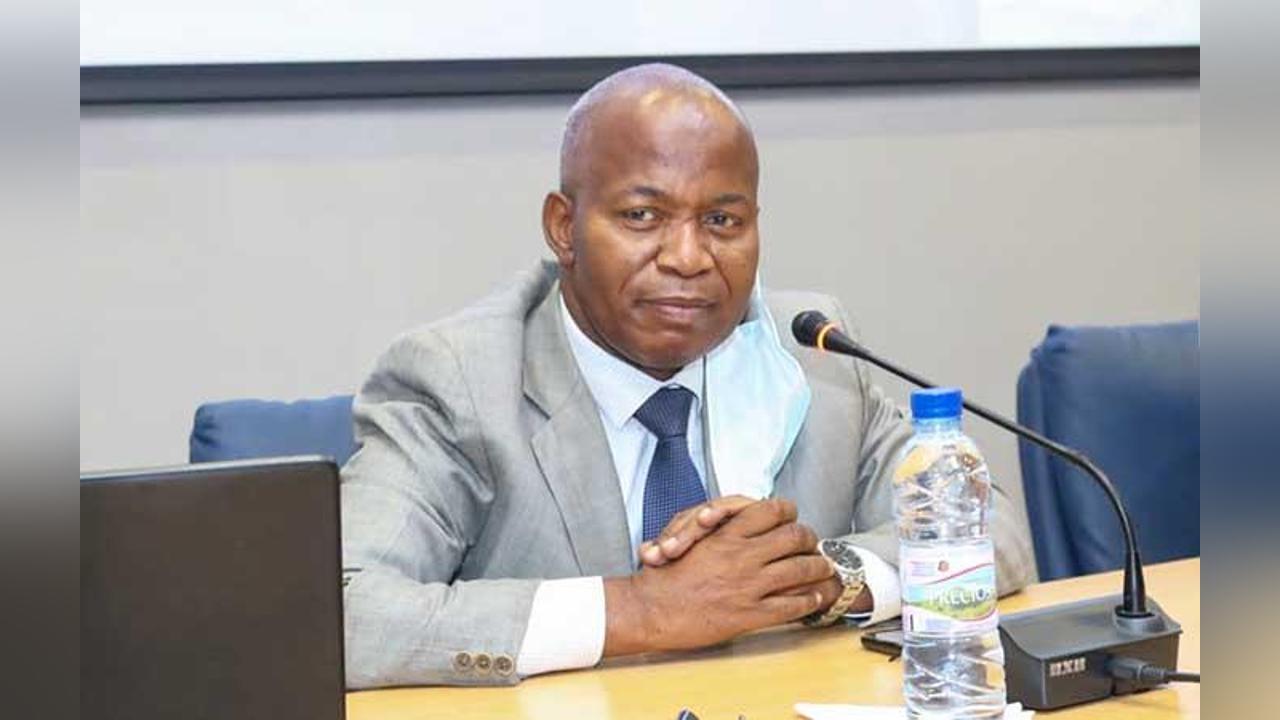
Africa-Press – Angola. the rector of the Mandume Ya Ndemufayo University, Sebastião António, considered in Lubango, Huíla province, that social harmony is one of the fundamental factors for the development and inclusive growth of a country, which has been at peace for 22 years.
The academic made this assessment when speaking on the theme “The 4th of April – Importance of National Unity for the Inclusive Growth of Angola”, a lecture held on Wednesday by the Municipal Committee of the MPLA of Lubango to welcome the day of Peace and Reconciliation National that stands out.
Event that brought together more than 300 activists including members of the provincial and municipal committees of MPLA, OMA and JMPLA.
Second, Sebastião António, social harmony will allow individuals from different groups and regions to cooperate with each other to achieve the common good and this will lead to the construction and strengthening of the Nation.
“The importance of national unity is the stability and development of the country, the promotion of peace, social harmony and the construction and strengthening of the Nation and if our territory is built on these bases, the emergence of conflicts will be avoided, preventing instability and violence from taking hold in the country”, he highlighted.
For the rector, if people have a common objective, they will find their identity in it, they will see each other in search of the satisfaction of their collective interests.
He considered that April 4, 2002 constitutes one of the greatest achievements of the Angolan people after national independence, proclaimed on November 11, 1975, as it marked a “decisive turning point” in Angola’s political and development process.
Angola lived decades of its history at war (from 1961 to 1974 against the Portuguese colonial regime), followed, from 1975, by a war that took place in a political context of division of the world into two blocs, led by the United States of America and the former Soviet Union.
This war ended with the death, in combat, of the leader of UNITA, on February 22, 2002 and the signing of the Luena memorandum of understanding, which culminated in the agreements of April 4, in Luanda, complementary to the one in Lusaka.
For More News And Analysis About Angola Follow Africa-Press