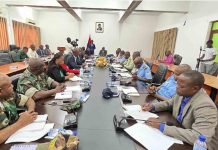
Africa-Press – Angola. The Minister of Defense, Former Combatants and Veterans of the Fatherland, João Ernesto dos Santos, highlighted, in Malanje, the bravery of the heroes of Baixa de Cassanje as a firm and decisive step towards the liberation and construction of a prosperous Angola.
The Minister said that the revolt of Angolan heroes paved the way for other resistance actions, including the 4th of February 1961, the revolt of nationalists in the North of Angola, of the 15th of March 1961, for the beginning and expansion of the armed struggle for national liberation against Portuguese colonialism.
When speaking at the Central event of the celebrations of the 4th of January, Day of the Martyrs of Colonial Repression, the government official emphasized that the country’s long historical journey that culminated with the proclamation of National Independence, on the 11th of November 1975, was not mere chance, but the result of the people’s resistance against all acts of colonial subversion.
He said that after 50 years of National Independence, Angolans in general demonstrated firmness and conviction that despite the difficulties that still exist, it was worth making the sacrifices that culminated in peace and national reconciliation.
For the Minister, the freedom and sovereignty that Angola enjoys are the result of the heroism of many Angolans who gave their lives for the country and today constitute solid foundations for the desired development.
“May the spirit of the Baixa de Cassanje revolt be the springboard for Angolans to victoriously face the country’s current and future challenges”, he stressed.
On the other hand, the minister said that the Angolan Executive remains focused on developing actions aimed at reversing the current situation of difficulties experienced in various areas towards resolving social problems and guaranteeing the well-being of the population.
To this end, he called for the participation of all Angolans in the life of the country, rolling up their sleeves and contributing to the process of economic recovery, to together find solutions for the nation’s pride.
“We have to understand that the country’s development based on the diversification of the economy cannot be the exclusive responsibility of the Government. If everyone, in the countryside, in the city, in the factory or in the office, understands the path in the short, medium and long term, we will have a better country to live in”, he stressed.
He pointed to the union of April 4, 2002, in which politicians, military and civilians came together to make peace in Angola, as an example that should continue to guide the ideals for the construction of a democratic State based on the rule of law.
On the other hand, he called for an end to the vandalization of public assets, the phenomenon of which has been occurring throughout the country, affecting economic and strategic objectives, as well as social facilities.
He highlighted that the country’s authorities are more attentive to these acts, under the eyes of all good people, who are called to denounce these and other bad practices.
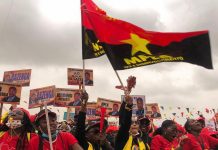
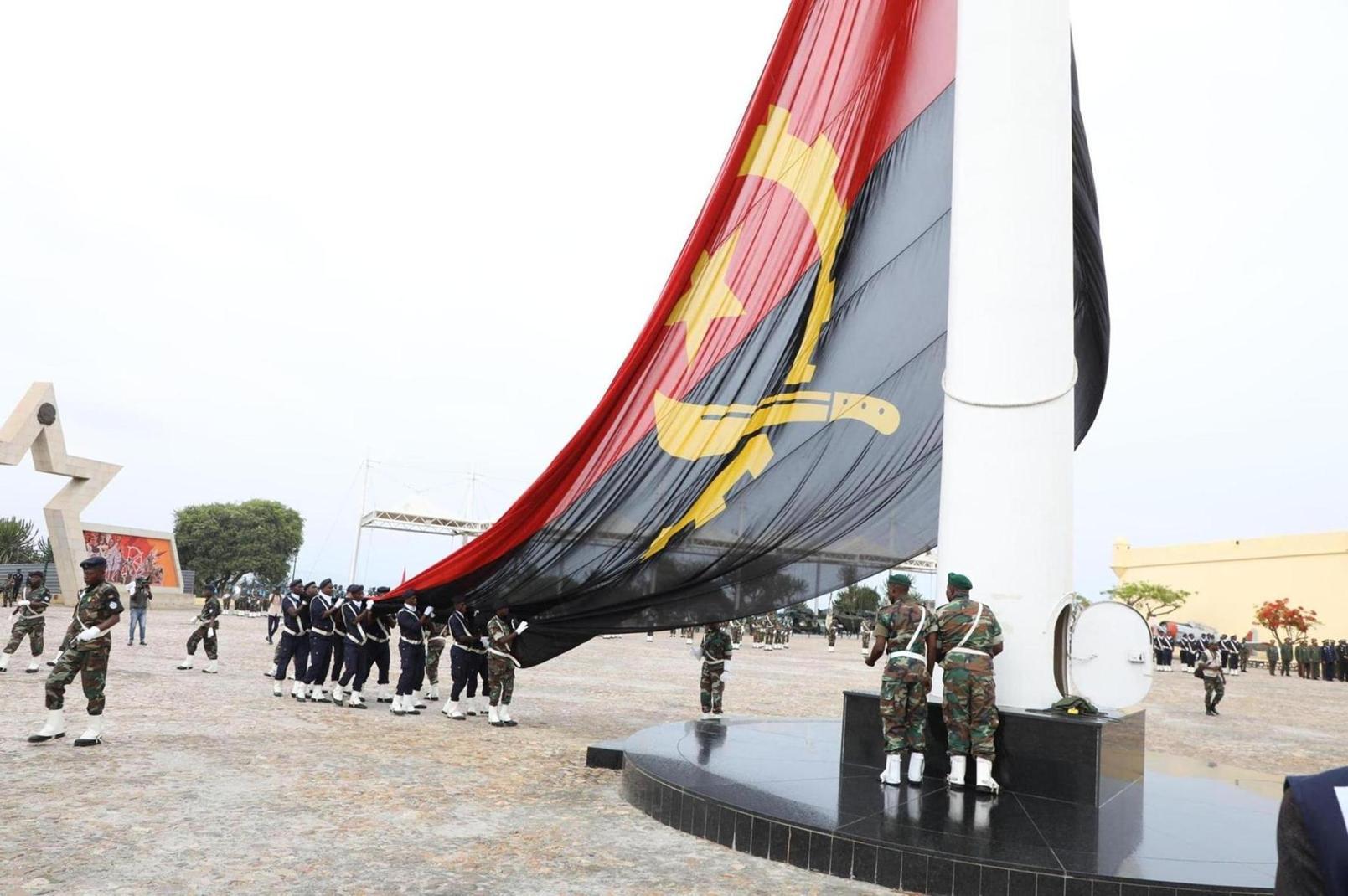
The event took place under the motto “January 4th – honoring the martyrs of colonial repression, is keeping our history alive” and culminated with a message of exaltation from the Angolan Confederation of Former Combatants and Veterans of the Fatherland.
The Baixa de Cassanje revolt took place on January 4, 1961, when thousands of peasants from the former Portuguese-Belgian company Cotonang, in the province of Malanje, stood up against the Portuguese colonialists to protest forced labor in cotton production and the low wages they received and refuse to pay taxes.
For More News And Analysis About Angola Follow Africa-Press