Africa-Press – Angola. The Angolan government will strengthen measures to prevent and combat the vandalism of public property and services, after registering significant losses and the actions of organized networks that compromise critical infrastructure essential to the country’s economic and social development.
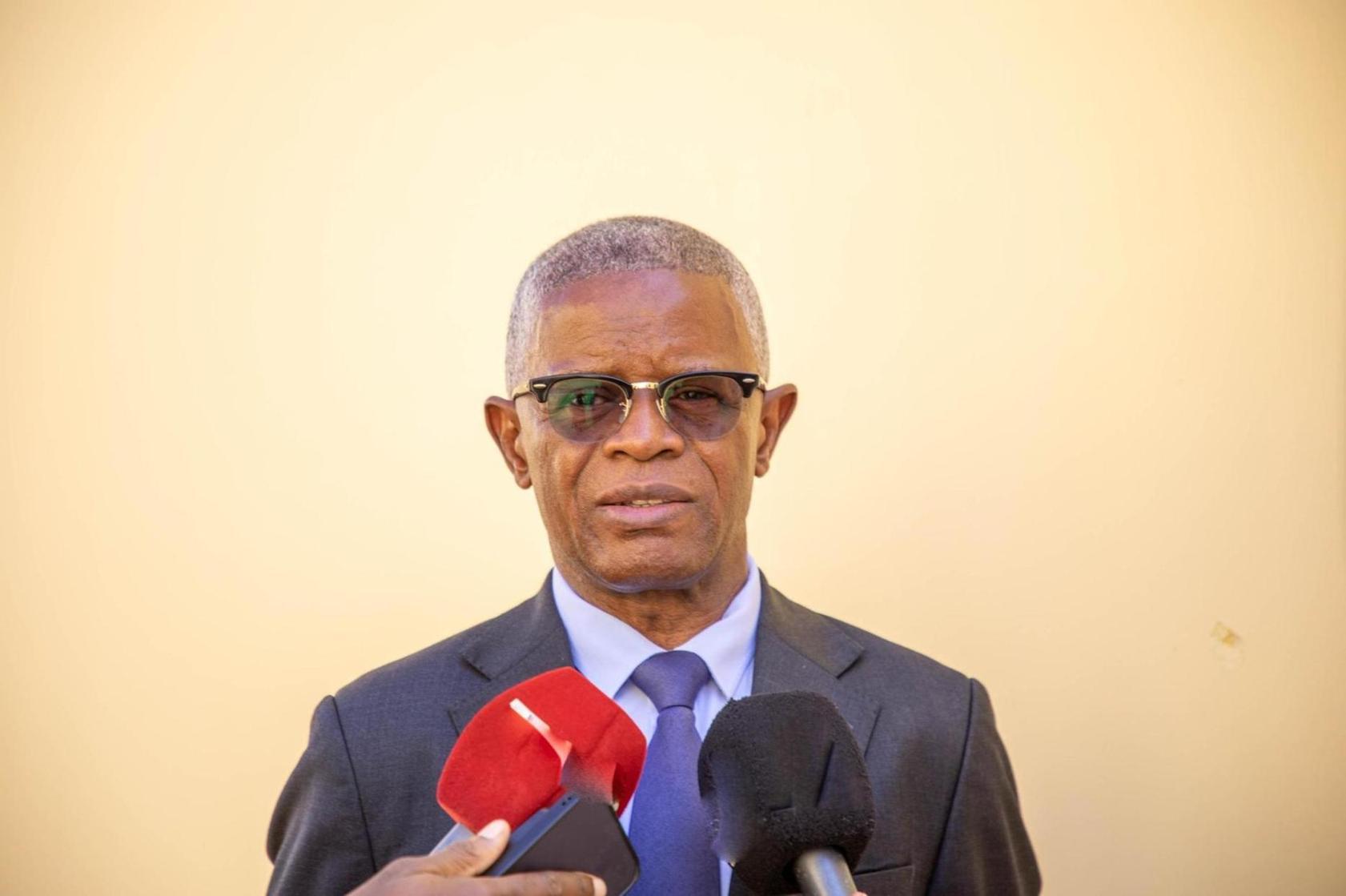
The position was announced Wednesday in Luanda by the Minister of State and Head of the Military Office of the President, Francisco Furtado, at the opening of the Colloquium on Measures for the Prevention and Combat of Vandalism of Public Property and Services.
According to the official, in recent years, the government has implemented structural investments in the energy, water, telecommunications, transport, health and education sectors, with a view to improving the quality of life of the population and strengthening national cohesion.
However, the minister explained that since 2023, acts of destruction, theft and sabotage of public infrastructure have intensified, considered a threat to the normal functioning of vital state functions.
Francisco Furtado also said that, according to official data, in 2023 alone, the National Electricity Distribution Company (ENDE) recorded losses of more than 400 million kwanzas due to the theft of thousands of meters of electrical cables and the destruction of equipment.
By 2025, the damages in the energy sector exceeded 50 million US dollars.
In Luanda, he said, the vandalism of the public lighting system on the Via Expressa caused losses estimated at around 39 million kwanzas, jeopardizing road safety and urban mobility.
Similar situations, he said, occurred in other provinces of the country where the theft of thousands of meters of electrical cables caused losses of more than 140 million kwanzas and delayed projects to expand the national electricity grid.
In this context, the authorities point to the existence of organized networks, involving national and foreign citizens, who often act with inside knowledge of the vulnerabilities of the infrastructure, aiming to supply illicit markets for ferrous materials.
In light of the worsening phenomenon, he clarified that the Executive Branch submitted to the National Assembly the proposed Law on Crimes of Vandalism of Public Goods and Services, which was later declared partially unconstitutional by the Constitutional Court.
In response, President João Lourenço, by presidential order, created a commission for the prevention and combating of vandalism, which implemented an action plan with reinforced police and administrative measures.
Among the most recent results, the Minister of State highlighted the arrest of 314 individuals in the months of January and February in 2026, of which 248 were nationals and 66 were foreigners, as well as the closure of 1,616 establishments linked to the illegal trade of ferrous and non-ferrous materials, in addition to 50 illegal industrial units in Luanda.
The authorities also reactivated police checkpoints in strategic areas and created rapid intervention teams, with a view to reducing vulnerabilities and curbing the illicit market associated with vandalism.
Furtado also said that protecting public infrastructure is a collective responsibility and called for the involvement of all citizens in combating these practices, stressing that “vandalism is not only a crime against the State, but against the whole of society.”
The colloquium on measures to prevent and combat vandalism of public goods and services has as its first panel discussion “the vandalism of public goods and services and its economic and social impacts.”
The second panel is reserved for “the presentation of the proposed law on crimes of vandalism of public goods and services.”