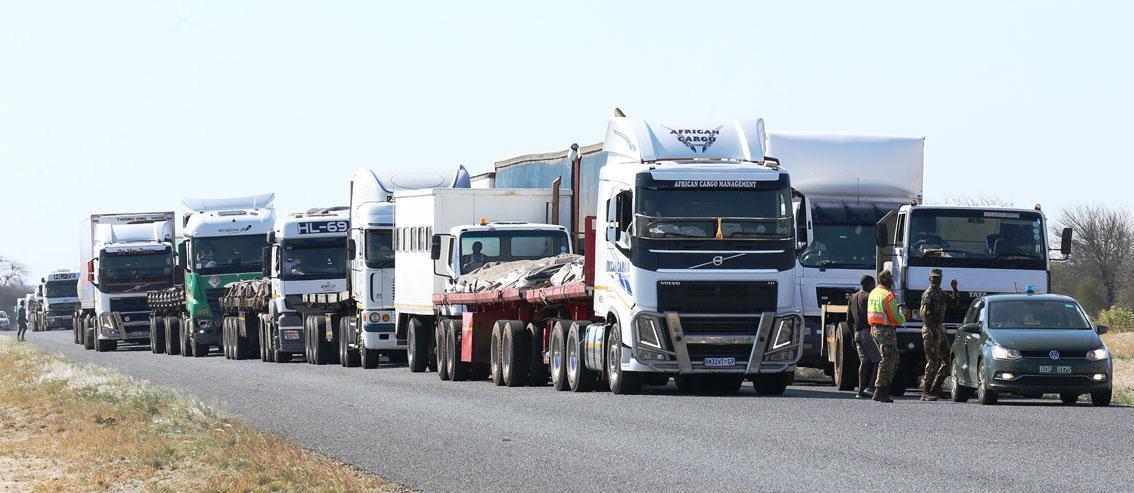
Africa-Press – Angola. Road traffic between the provinces of Benguela and Huambo, via the National Road (EN) 260, has been interrupted since Sunday. The disruption follows the collapse of the bridge pillars over the Hâlo River, in the municipality of Caimbambo (Benguela province), caused by the heavy rains that have been battering the region.
The structure of the bridge crossing the Hâlo River has been seriously compromised, with a risk of collapse if the intensity of the rainfall continues, a situation that affects traffic on the National Road (EN) 260, one of the main connecting roads in the coastal-plateau direction.
Despite the damage recorded, the bridge over the Hôndio River, which ensures the connection between the municipalities of Catengue and Caimbambo, remains operational, being, so far, the only infrastructure in the region that has not suffered considerable damage from the recent rains.
Miraldina Torres Morgado, local administrator, emphasized that the EN260 road is of strategic importance, so its closure has significant impacts on the mobility of people and goods, as well as on interprovincial transport.
She ensured that efforts are being made with the competent authorities to rehabilitate the affected infrastructure, in order to restore normal circulation and the safety of the population as quickly as possible.
Drivers call for intervention on the bridge
Heard by press, citizens expressed concern about the interruption of road traffic between Benguela and Huambo, following the damage recorded on the bridge over the Hâlo River, in the municipality of Caimbambo, advocating for greater oversight and maintenance of public infrastructure.
Manuel Katala, a driver, recalled that the bridge was maintained in 2009 by a private company, suggesting the need to hold the company accountable for the necessary intervention.
Ivandro Catanha, a local resident, said the state of the infrastructure had already been a cause for concern for several years, pointing to alleged quality flaws in the execution and the absence of preventive interventions.
For More News And Analysis About Angola Follow Africa-Press