Africa-Press – Angola. The company Alta Genetics do Brasil, the largest biotechnology center in the world, has shown itself, in Lubango, to be available to train, with state-of-the-art technology, the Angolan workforce, in genetic improvement, in order to obtain higher rates bovine productivity.
Biotechnology has transformed Brazil from an importer of meat and milk to a self-sufficient country and, currently, the largest exporter of meat in the world, all based on animal genetic improvement. It is second after India with the largest herd in the world estimated at 244 million head.
In the 1960s, the country began to use normal artificial insemination techniques, in 2002 this use decreased and began to use Fixed-Time Artificial Insemination (FTAI), which brought about a revolution in Brazil, they began to use hormones that stimulate all the cows to become cyclic at the same time.
With this, they have the benefit that all calves are born in the same period with weaning done at the same time, which makes it possible to create batches of animals and with the use of these they create the animal category, of best, medium and worst quality, of which they maintain the best in the herd, the average ones sell and the worst send for slaughter.
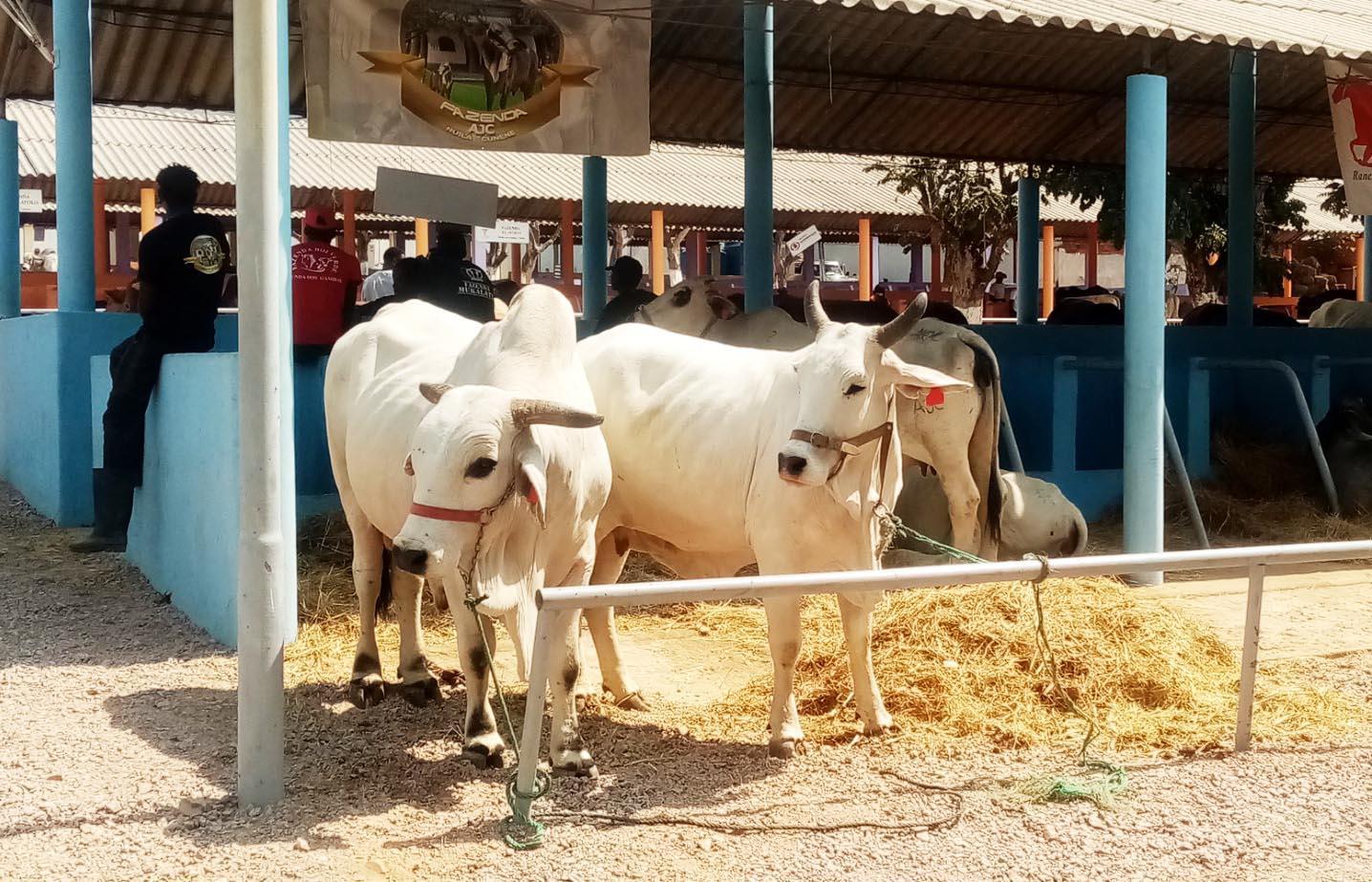
In the framework of the dissertation on the theme “The importance of biotechnology in livestock”, at the Feira do Gado da Huíla, the new business manager of Alta Genetics do Brasil, Rodrigo de Moraes Rodrigues, said that his company brings know- how -how to work with Angolan livestock cooperatives.
He declared that if there is support from the Angolan Executive, it will be possible to make things happen, to spread the technology and with that to make an expansion, not yet seen in Angola, since in the last 20 years alone more than one investment has been made. billion dollars in embryos, semen and new technologies.
“Angola has the advantage of having better quality land than Brazil, so it can copy our experience, whether in animal selection, nutrition or division of farms. It is a question of seeing serious companies that really want to work with Angola, in the way that it needs to be”, he stated.
He highlighted that genetic improvement is the fundamental factor for development and combating hunger, and should be done with correct, responsible companies and with serious professionals so that they can make a difference in the history of Angola
He referred that meat prices are still high, as well as milk prices in the Angolan market, a situation that will be overcome, from the moment that there is a maximization of production, possible with biotechnology.
“We managed to make this evolution in a short period of time, depending on the property, going from cows with an average of 4.5 liters of milk/day to those with 40, in a period of three years. The properties will need to go through an improvement process,” she explained.
He regretted that the majority of Angolan producers still work in a rudimentary way, without managing a well-made corral, sharing the pasture, are not concerned with animal health due to the lack of national companies that can produce vaccines at low cost, associated with the lack of veterinary specialists.
On his turn, the spokesman for the National Federation of Livestock Cooperatives of Angola (FENACOOPA) Victor Panzo said that the organization is open to any kind of cooperation and that Brazil being “well advanced” is a bet, since the focus of the confederation is the training of cadres.
He made it known that Angola is training some staff in the sector, through the medium agrarian institutes and the faculty of veterinary medicine, having more than 300 technicians trained in the agrarian and livestock areas, but not enough to support the chain, so they would need at least three thousand.
“We have few farms implementing this technology, which have a foreign workforce that guarantees this support. The desire is to continue to train and deliver nationals to continue with the destinations of biotechnology implemented in livestock”, he reinforced.
Victor Panzo stressed that in the center and south of Angola, some have this technique, but the challenge is energy, access, communication and telecommunications, so the Executive needs to sit down with the cooperatives and the federation to draw the guidelines and implement the service nationwide.
The federation controls four cooperatives in the country, divided into regions, namely the west, south, center and north, with more than 1,500 members.
For More News And Analysis About Angola Follow Africa-Press