Africa-Press – Angola. Cataract is one of the main vision problems that affect the Angolan population, ophthalmologist Valter Brás told, for whom eye diseases are global in nature and should be taken more seriously.
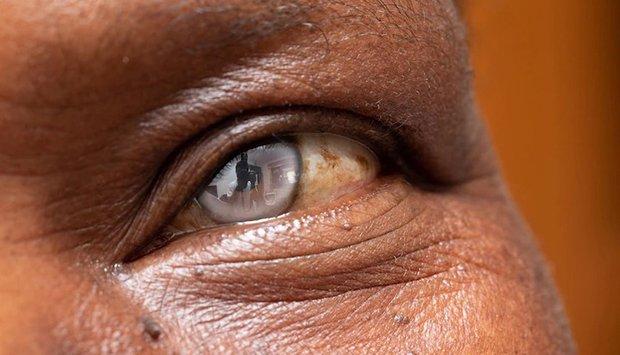
In the first six months of this year, he revealed, a total of 30,500 patients were treated at the National Ophthalmological Institute of Angola, in Luanda. The doctor and scientific director of the institution added that, among the cases treated, cataracts lead the number with a total of 9,300 patients.
Then, he points out, conjunctivitis comes as the second largest number, with 4,640 cases, followed by reflective errors, 4,500, and glaucoma, with 2,500 patients. Due to these numbers, he said, more than a thousand surgeries have already been performed in the first half of this year.
Diabetic retinopathy is also another concern, which has gradually increased due to the increasing cases of diabetes.
“It is one of the complications of diabetes and one of the main causes of blindness in adults, due to structural changes in the blood vessels of the retina”, he reinforced.
Hygiene
For the doctor, regular hand hygiene is essential, so that people can avoid conjunctivitis, and he advises against self-medication, through plant saps, roots or homemade mixtures, to clean the eyes.
Another fundamental aspect is the care of children and the frequent use of electronic devices by them. “We have to be considerate in the use of these means. Children use tablets constantly and become addicted to them to the point of having them too close to their eyes, which can affect vision and contribute to cases of myopia”, he warned.
Based on data from the World Health Organization, by 2050, more than half of the world’s population will be myopic, so it calls for care to be taken to reverse this situation.
The Institution
The Instituto Oftalmológico Nacional de Angola is a level three hospital unit, which treats patients from various parts of the country and deals with situations in primary units. The institution’s services include external consultations and an emergency bank.
The institution, said the director, is equipped with the materials and specialists needed to efficiently address all vision problems.
“Right now all we need to do is transplants, something that lacks legislation and other inherent issues”, said the doctor. He added that the institution has trained professionals for the various provinces.
Glaucoma, Degenerative Disease
Glaucoma is the terror of vision diseases, as it is a degenerative, hereditary and irreversible disease, characterized by alteration of the optic nerve, to the point of causing irreversible damage to nerve fibers and the consequent loss of the field of vision.
“Glaucoma is a treacherous disease, which manifests itself asymptomatically. Totally silent, it can be contracted without any apparent cause or external issues, such as social or work habits”, described Válter Brás.
The disease, he continued, affects mainly individuals over 40 years of age. “But this is a variable data, as there are cases of children, and even babies, who are born with congenital glaucoma, which is the greatest of tragedies,” she said.
He added that a 40- or 50-year-old person with glaucoma, if followed up, can see until the last days of life, “but in a 14 or 15-year-old, advanced glaucoma can lead to premature blindness at 25 or 30.” .
The treatment, he clarified, does not cure the disease, it only controls it and reduces its progress. At the Institute, he said, there is a screening program where family members of patients with glaucoma undergo a screening process for possible disease control.
“Usually, glaucoma prevention is the use of eye drops, on a regular basis, and surgery in specific cases, especially when the individual is intolerant to the drops or does not have the financial resources for the regular use of drops”, he said. it costs 20 thousand kwanzas and has to be used every three weeks.
The National Ophthalmological Institute of Angola, he said, created a program where patients have access to the medication for free, to delay the onset of blindness.
For More News And Analysis About Angola Follow Africa-Press