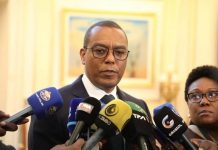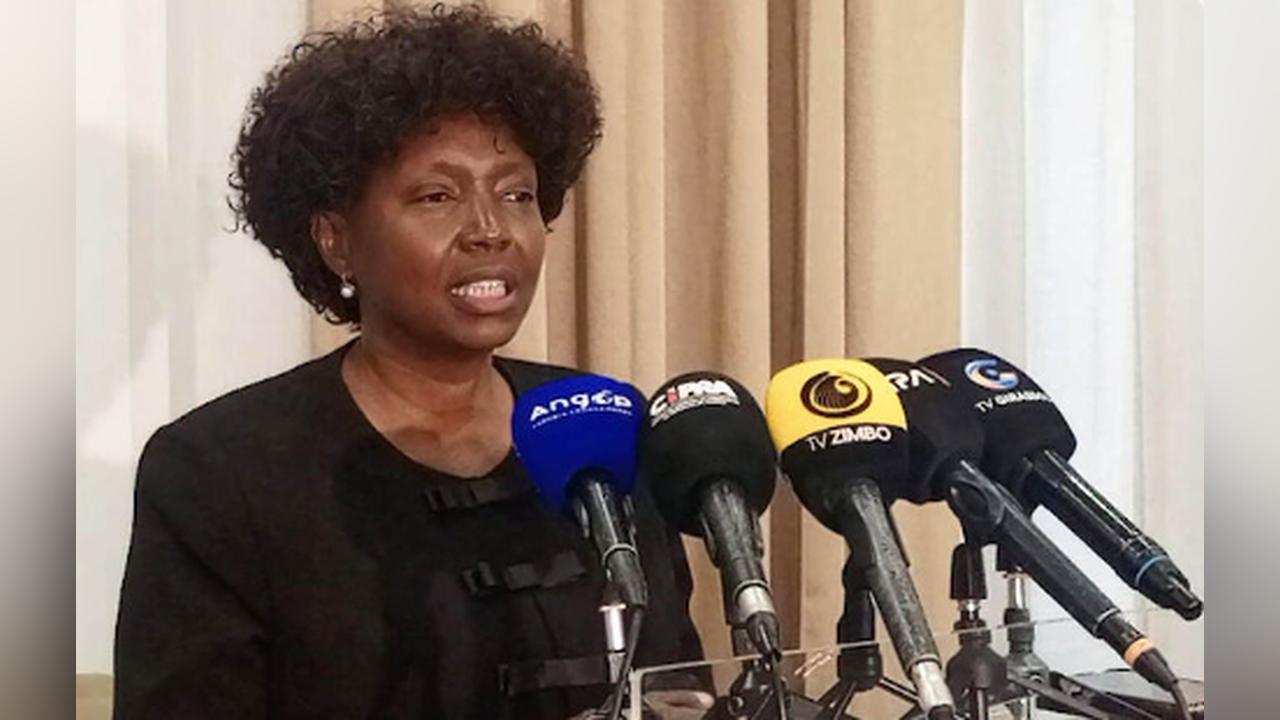
Africa-Press – Angola. The minister of Health, Sílvia Lutucuta, reported on Thursday (19), in Luanda, that 903 people have died from cholera in Angola from January 2025 to date.
According to the minister, who spoke to the press at the end of the 1st Ordinary Session of the Social Policy Commission of the Council of Ministers, of the total deaths, 565 are male and 338 are female.
She stated that since the first case was registered on Jan 7, 2025, the country has registered a cumulative total of 36,536 cases, of which 19,684 are men and 16,852 are women.
The session, chaired by the Minister of State for Social Affairs, Maria do Rosário Bragança, reviewed the Assessment Report of the National Commission for the Fight against Cholera, a document that presents the actions carried out during the month of Janury of the current year.
The document states that, in January, Angola registered a total of 126 cases of cholera, with notifications in 8 of the 21 provinces, showing a 75% reduction in the number of new cases compared to the previous month.
It highlights that the provinces with the highest number of reported cases during the aformentioned period were Huíla, with 40 cases (31.7%), Luanda with 33 cases (26.2%), Malanje with 32 cases (25.4%), and Lunda-Norte with 7 cases, representing 5.6% of the national total.
In terms of mortality, in Jan 2026, 5 deaths from cholera were reported throughout the country, registered in 3 provinces, namely Huíla, with 2 deaths (40%), Luanda, also with 2 deaths (40%), and Bengo with 1 death (20%).
The data show a 67% reduction compared to the previous month, with the case fatality rate by province during this period being 33% in Bengo, 6% in Luanda, 5% in Huíla, and approximately 0.0% for the other provinces.
As part of the response to the outbreak, medical supplies and cholera control kits were distributed to the affected provinces and those bordering higher-risk areas.
“The most affected provinces received reinforced logistical support during the month of January, and a quick response team was deployed from the central level, including support from partners such as WHO, UNICEF, Africa CDC, IOM, and Doctors Without Borders,” reads the document.