Africa-Press – Angola. Various socio-cultural activities marked, this Thursday, the celebrations of the 448th anniversary of the country’s capital, the central event of which took place in Luanda Bay.
Throughout the day, the place hosted a crafts fair, typical cuisine, an exhibition of portraits of the city, traditional clothes, an exhibition of carnival groups and a playground for the little ones.
The moment was also marked by a drone and pyrotechnic show (fireworks launches) that provided a colorful and pleasant atmosphere for those present, including nationals and foreigners.
In another scenario, at Shopping Fortaleza, it was possible to see the exhibition of several portraits that marked the colonial era, with emphasis on the infrastructure of indigenous, religious and military neighborhoods, in a cohabitation with images that illustrate today’s Luanda.
The atmosphere was livened up by the singer Selda, who drew applause from those present.
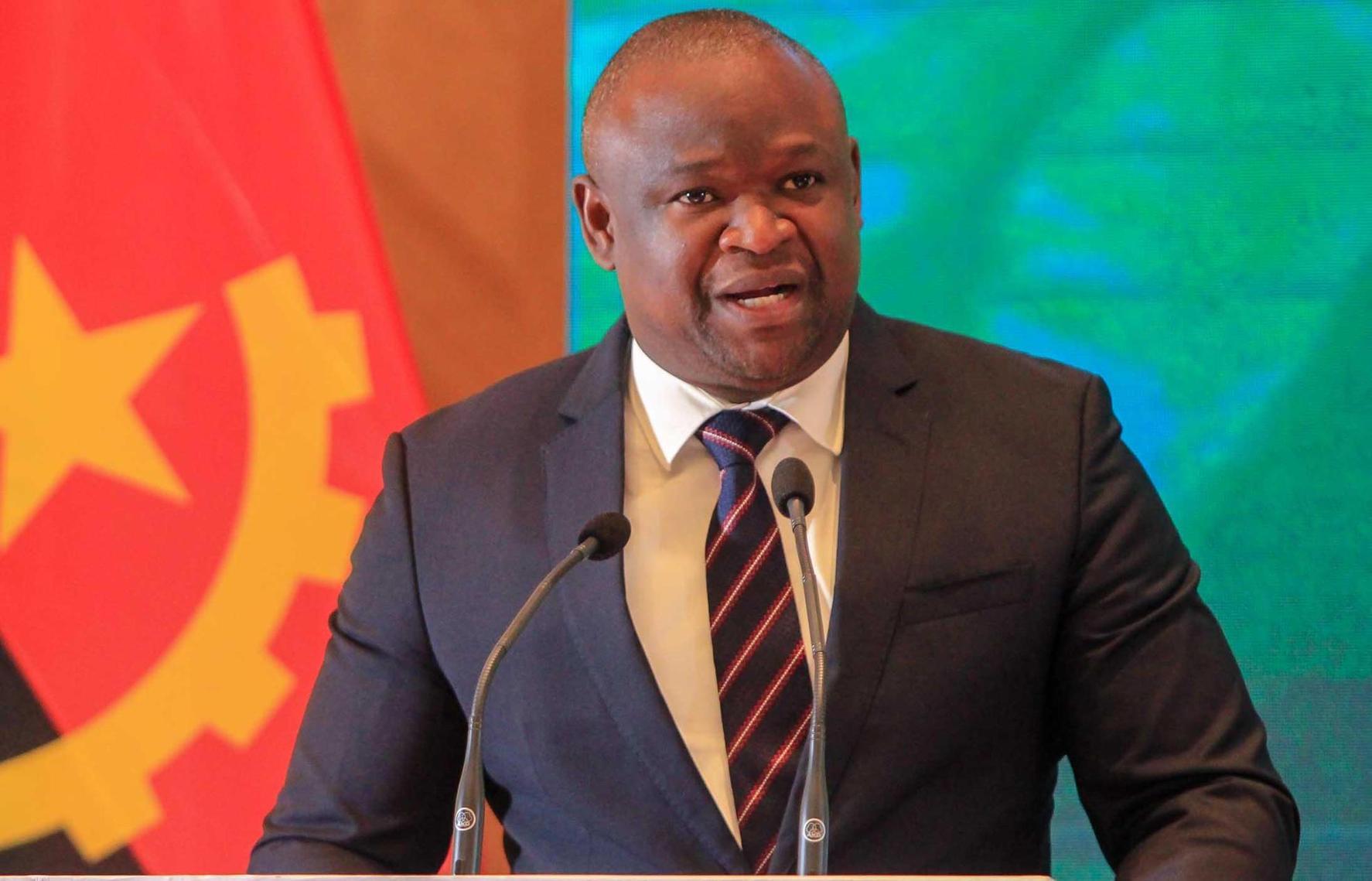
When opening the official ceremony of the festivities in the province of Luanda, governor Manuel Homem said that it was necessary for all Luandians to reflect on what the capital needs from each one.
Manuel Homem also said that there is a long way to go, namely in the field of infrastructure, health, macro and micro drainage, as well as public safety.
“We will all continue to serve Luanda, making it a pleasant city to live in”, he said.
In this context, Manuel Homem spoke of the actions that continue to be developed in the areas of education, such as the construction of more schools and health centers, in order to provide better services for communities.
He also referred to the province’s afforestation program, with the forecast of planting 10 million trees by 2027.
The city of Luanda marks this Thursday, January 25th, 448 years since its foundation. It occupies an area of approximately 18,826 square kilometers.
Located on the West coast of Africa, Luanda is the capital of Angola and was founded on January 25, 1576, by the Portuguese explorer Paulo Dias de Novais, under the name “São Paulo de Assunção de Loanda”.
A year after its foundation, Portuguese explorer Paulo Dias de Novais laid the stone for the construction of the church dedicated to Saint Sebastian, in the place where the Central Museum of the Armed Forces is today.
It was only around three decades later, with the increase in the European population and the consequent increase in buildings, that the town became a city.
With an extremely cosmopolitan profile, the inhabitants of Luanda are, for the most part, members of the Ambundu, Congo and Ovimbundu ethnic groups, with relevant fractions of all Angolan ethnic origins.
Luanda is the main financial, commercial and economic center of Angola, where the country’s main companies are headquartered, such as Endiama, Sonangol, Banco Nacional de Angola and the Angolan Debt and Stock Exchange.
Currently, with more than eight million inhabitants, the province of Luanda is administratively divided into the municipalities of Luanda, Cazenga, Viana, Cacuaco, Belas, Icolo and Bengo, Kissama, Talatona and Kilamba Kiaxi.
For More News And Analysis About Angola Follow Africa-Press