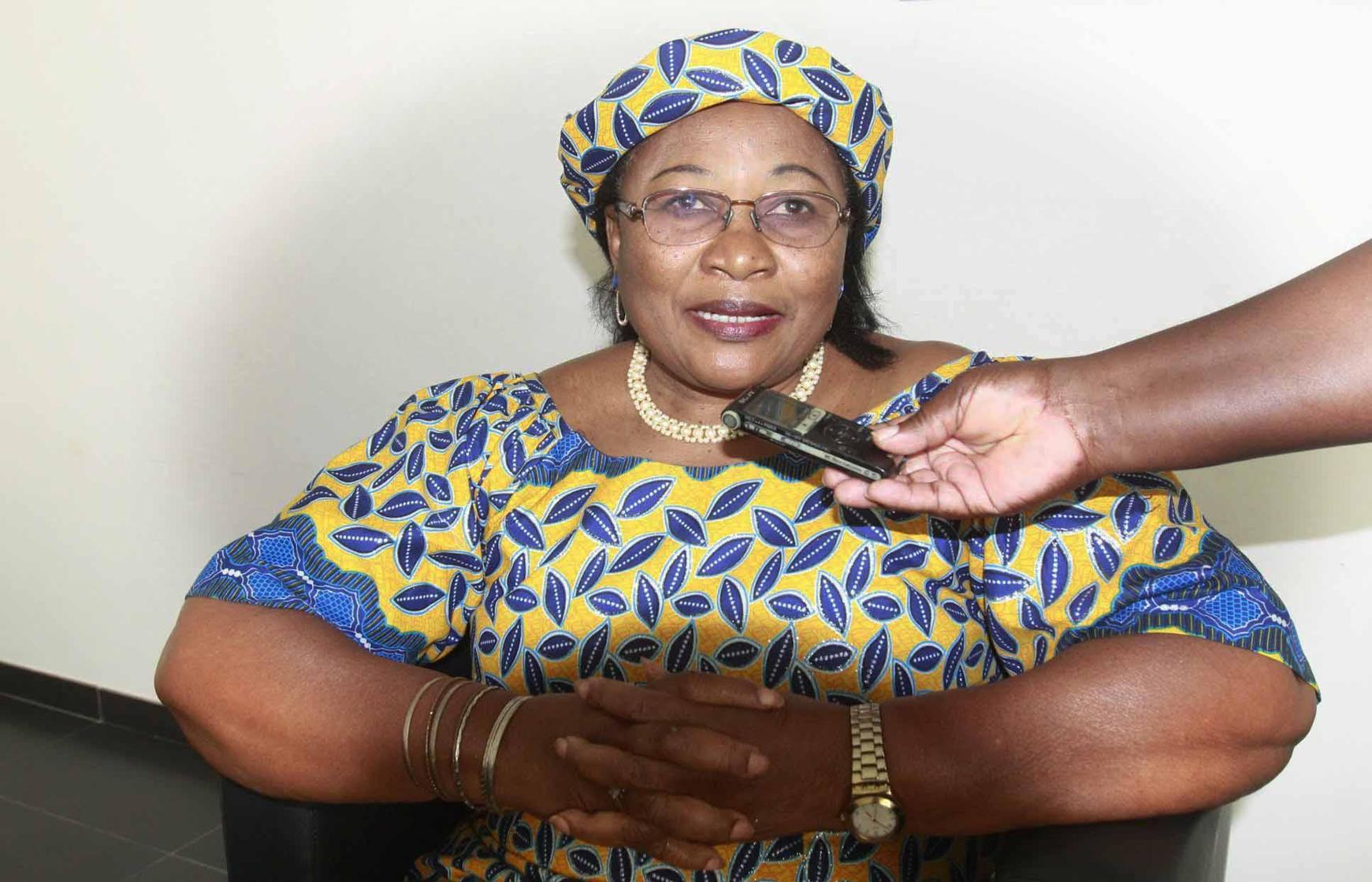
Africa-Press – Angola. Women and girls, especially in rural areas, still face barriers to self-assertion due to cultural and traditional factors, as well as schooling, said sociologist Emília Wimi this Wednesday.
In a statement, regarding the 8th of March, International Women’s Day, he said that from an early age women in the community were educated not to speak in public or in places where there are men, not to make decisions, thus preventing them from enjoying the same rights as men.
Furthermore, he highlighted the lack of female education and access to education, in which most girls in the communities only have primary education.
He referred that access to the education and learning system is the dream of youth, taking into account that a large number of them are unable to continue their studies because they have to move to urban areas without conditions of habitability or livelihood.
For Emília Wime, these evils plague society and hinder the achievement of gender equality, stressing that women represent the majority of the Angolan population and most of them live in rural areas.
He underlined that in today’s world, equality between men and women is demanded, and investment should be made in the education of the human personality, to help the young woman to combat family obstacles and develop self-esteem.
“It is necessary to work with women in order to create self-esteem and gain confidence to tread paths of equality and combat women’s thinking in domestic work, reproduction and caregiving”, she emphasized.
To reverse the situation, he said it was necessary to create policies that allow the entry of girls from the villages, encourage families with girls in order to send the school to create policies that facilitate the promotion of empowerment.
There are examples from other countries in the region, such as Namibia and South Africa, where there are structured community networks, with the creation of female homes and female instruction schools, in order to remove cultural fear.
He said that March-Mulher is an opportunity to reflect on the role of women in the family, in the community, in society, looking at and analyzing the good performance of women and the negative part of finding plans to overcome them.
governmental equality
For the sociologist, the commitment of women to management and leadership positions at the highest levels of government and political life, constitutes the historical mark of the affirmation of Angolan women.
He said that the commitment to recognition, merit and the capacity of women, made by the Head of Executive Power, João Lourenço, is an encouraging action for women, who every day will overcome themselves and overcome barriers to reach high levels.
He praised the election for the first time in the country of a Vice-President of the Republic, the vice-president of the governing party, Presidents of the National Assembly and of the Supreme Court, among several other ministers and provincial governors.
The bet, he said, on female equality is an action never seen before, which obliges women to overcome themselves academically and professionally in order to reach meritocracy.
March 8 was officially created by the United Nations (UN) in 1977 as a date for reflection on their rights and duties.
For More News And Analysis About Angola Follow Africa-Press