Africa-Press – Angola. Integrated projects to enhance historical and cultural figures and sites are being implemented by the Government of Lunda Sul, within the framework of improving the living and working conditions of former combatants and veterans of the country.
The information is contained in a government declaration, released on the occasion of the 4th of January, Day of the Martyrs of the Colonial Repression of Baixa de Cassange, marked this Wednesday.
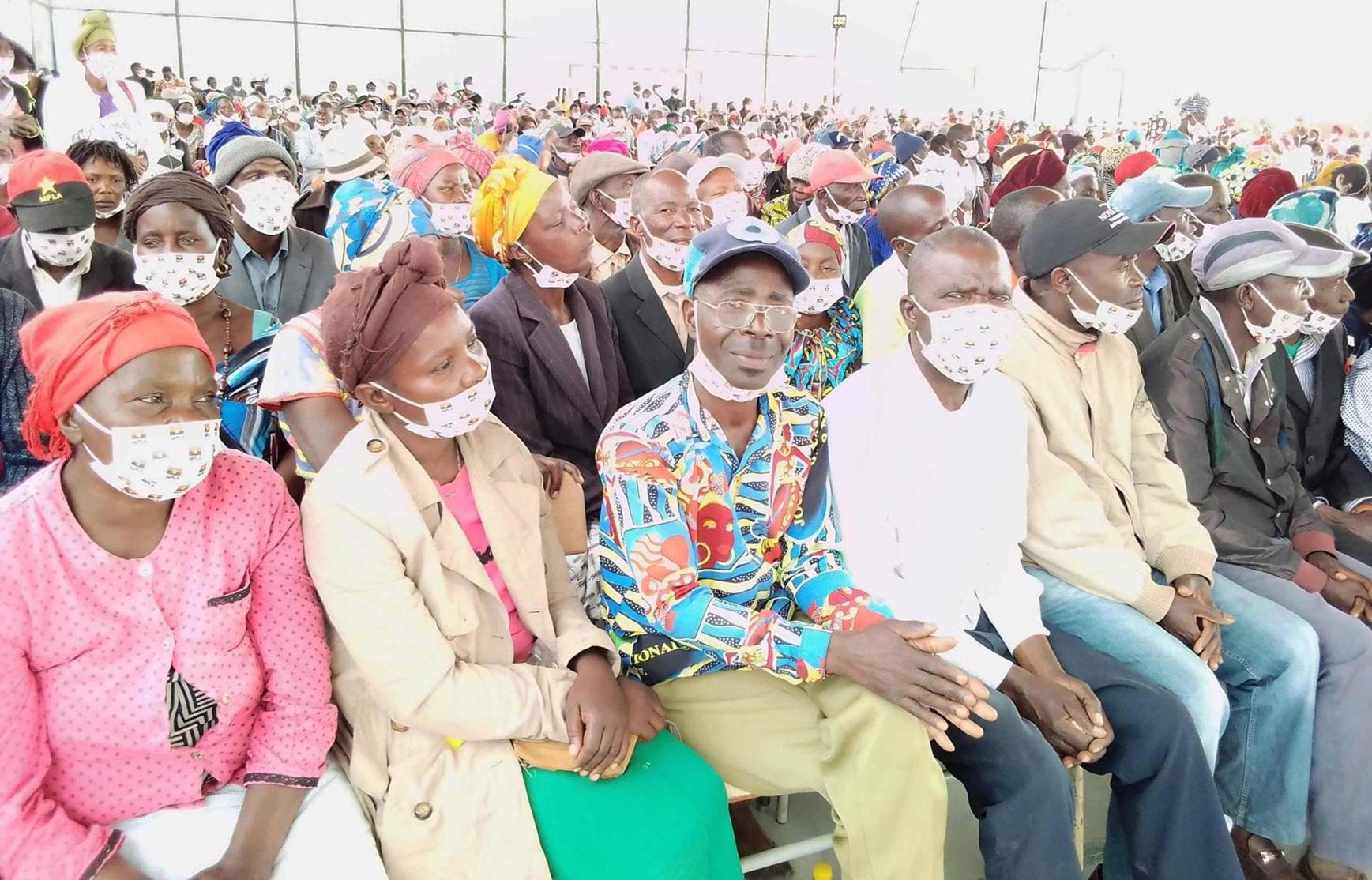
The Government calls for the commitment of all citizens in the country’s development process, for the well-being of the population.
As part of this event, the governor of Lunda Sul, Daniel Neto, laid a wreath on the tomb of the unknown soldier, in the city of Saurimo.
After the deposition, the director of the provincial office of Former Combatants and Veterans of the Fatherland in Lunda Sul, António Upite, considered that date memorable, recalling that the best way to honor and dignify the victims of this massacre is to maintain the commitment to political stability, consolidation of reconciliation and national unity.
He appealed to former combatants and veterans of the country to continue transmitting to younger people a legacy of courage and patriotism.
On January 4, 1961, Portuguese settlers repressed around 20,000 Angolan peasants, in what became known as the Baixa de Cassanje massacre, a territory located between the provinces of Malanje and Lunda Norte.
On that day, agricultural workers from the cotton plantations of the Luso-Belgian company Cotonang, in Baixa de Cassanje, revolted against slave labor, destroying plantations, bridges and houses.
The response of the colonial authorities did not take long with the sending of the Portuguese Air Force, which bombed the region with projectiles, causing the death of thousands of citizens.
The events in Baixa do Cassanje increased the awareness of freedom among Angolans who, on February 4 of the same year, launched an armed struggle against the Portuguese fascist regime that culminated, on November 11, 1975, with the proclamation of the country’s independence.
For More News And Analysis About Angola Follow Africa-Press