Africa-Press – Angola. The Minister of Health, Sílvia Lutucuta, pointed out, this Monday, to the need for 1800 new units nationwide, of which 600 in Luanda, mainly in the primary network, to reinforce the National Health System.
Speaking during a hearing promoted by the 6th Specialized Work Commission of the National Assembly, to address the current situation in the sector, Sílvia Lutucuta said that it is part of the strategy to improve hospital infrastructure in the country.
During the hearing, parliamentarians were also informed about the subsidy of drugs for patients with chronic non-communicable diseases, such as hypertension and diabetes, so that they have access to drugs at lower prices.
According to the minister, the Ministry of Health legally defined the tax exemption for these medicines, and is now working with the Ministry of Finance to move from the free price regime to controlled prices.
Sílvia Lutucuta provided information on the implementation of public health policies, actions to combat major endemic diseases, the challenges of preventing neglected diseases, the implementation process of the principle of humanization of health services, the observance of respect for ethics and deontology in providing care, among others.
In turn, the parliamentarians recommended rigor in the supervision of the National Health System, with the aim of making it more resilient, effective, efficient and accessible to all.
The Coordinator of the 6th Commission, Arlete Borges, pointed to the demographic “explosion” as one of the main reasons for flooding in hospitals.
The deputy reaffirmed that Luanda needs another 600 hospitals to alleviate the existing pressure, taking into account the existing deficit in terms of primary care.
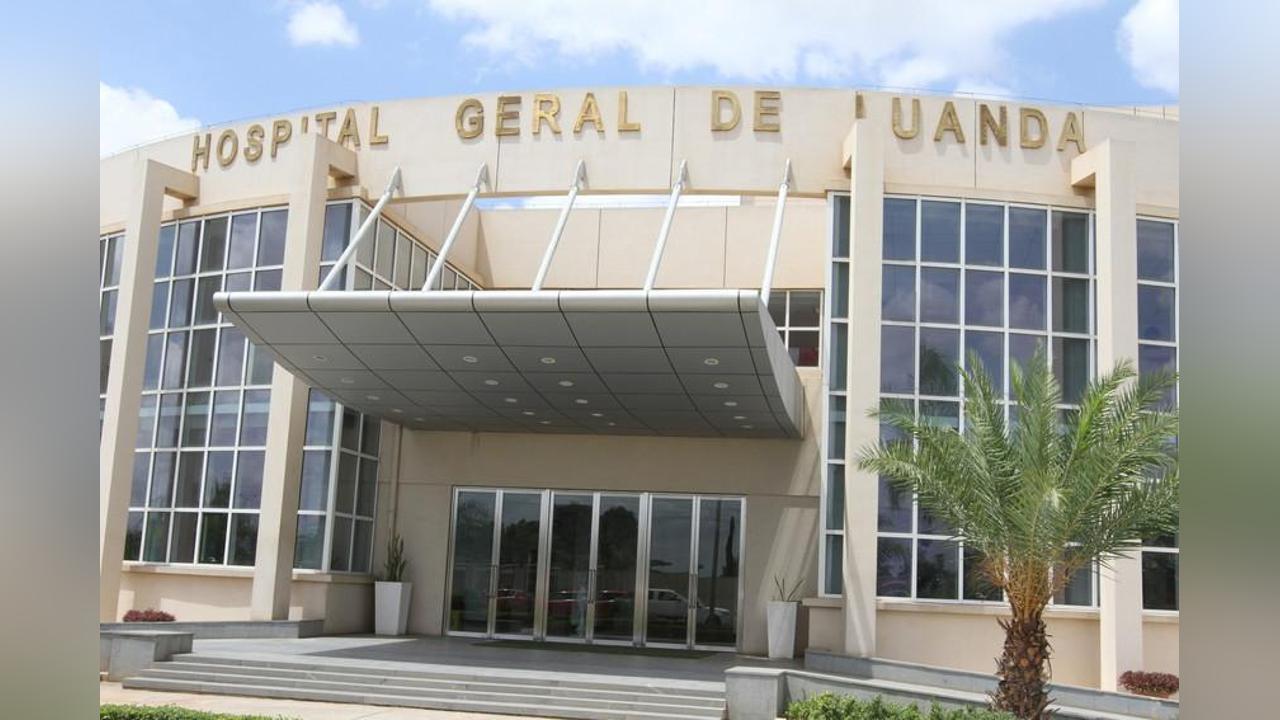
He admitted that there is also a deficit in terms of tertiary care, since there are only three large hospitals, when the ideal would be at least 9 large hospitals for the expansion of health care.
Over the last five years, the Executive, within the framework of the Public Investment Program (PIP) and the Integrated Program of Intervention in Municipalities (PIIM), proceeded with the construction of 85 modern health units, 54 under the PIP and 31 under the PIIM, equipped and equipped with new technologies.
These infrastructures increased the supply of beds in the National Health Service by over 8,492 beds, reinforcing the referral and counter-referral mechanisms, guaranteeing the follow-up of users from the primary level of care to the tertiary level.
To accompany this investment and guarantee its efficiency, 33,093 new professionals were enrolled in public health services in the special career and general regime, with an increase of 35% in the total workforce.
The workforce in the Health sector increased from 65,294 professionals to around 100,000 in the last two years, bringing the number of doctors to 7,715.
Currently, the National Health System and the Sanitary Network comprise 2,644 health units, 15 of which are national hospitals, 25 provincial hospitals, 45 general hospitals, 170 municipal hospitals, 442 health centres, 67 maternal and child centres, 1,880 health and 37 other infrastructures.
For More News And Analysis About Angola Follow Africa-Press