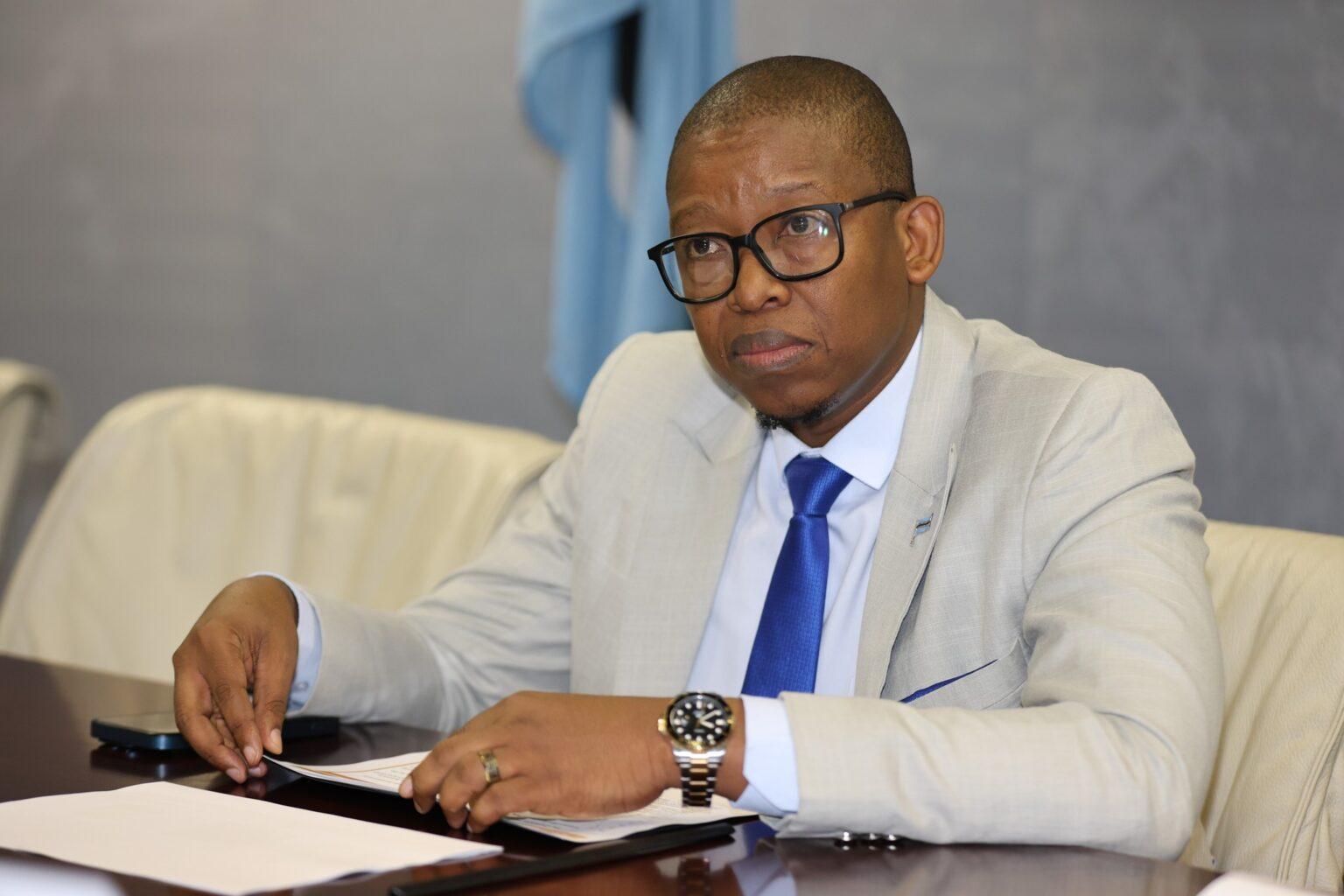
Africa-Press – Botswana. The government of Botswana is advancing plans to establish a 24-hour economy after a successful second trial of extended liquor trading hours during the Easter holidays. The trial demonstrated promising outcomes, including increased business activity, expanded opportunities for the informal sector, and a noticeable reduction in traffic-related accidents. Trade Minister Tiroeaone Ntsima emphasized that the positive results provide a strong business case for extending operating hours across multiple sectors. This initiative reflects a strategic approach to economic growth, aiming to enhance productivity, support entrepreneurship, and diversify income streams across the country. By exploring a 24-hour economy, Botswana positions itself to modernize its commercial landscape while responding to evolving market demands and consumer needs.
The findings from the trial suggest that longer trading hours can create tangible benefits for both formal and informal businesses. Improved sales during the extended hours have allowed retailers, restaurants, and service providers to maximize revenue while attracting a broader customer base. Informal sector operators, including small-scale vendors and service providers, have also experienced increased opportunities for income generation. Traffic safety improvements observed during the trial indicate that extended hours can encourage more controlled and regulated economic activity, reducing the rush-hour congestion and related accidents. These results collectively support the government’s argument that a 24-hour economy can provide social as well as economic advantages, benefiting communities and local businesses alike.
The 24-hour economy model is expected to drive industrial growth by enabling continuous production and service provision across key sectors. Extended operating hours allow manufacturers, logistics companies, and service providers to optimize operations, increase efficiency, and meet growing demand. Minister Ntsima highlighted that the initiative will create employment opportunities, with a particular focus on youth and women, who stand to gain significantly from expanded work hours and flexible job structures. The policy also encourages investment in modern infrastructure and technology to support around-the-clock operations, from energy supply to security and digital systems. By fostering an environment that accommodates continuous economic activity, Botswana aims to enhance competitiveness and attract both local and foreign investment.
In addition to economic growth, the move toward a 24-hour economy supports broader social and developmental goals. Expanded trading and work hours provide opportunities for skills development, entrepreneurship, and financial inclusion. Workers, especially young people and women, can access jobs that were previously unavailable within traditional operating hours, increasing their income potential and contributing to poverty reduction. Businesses can leverage extended hours to innovate, diversify offerings, and provide services that better align with customer lifestyles. This approach also signals Botswana’s readiness to modernize its economy while maintaining safety, efficiency, and inclusivity as guiding principles.
The government’s plan to implement a 24-hour economy reflects a strategic commitment to sustainable growth, employment creation, and industrial modernization. Following the positive outcomes of the Easter trial, stakeholders are optimistic about the potential for expanded operating hours to generate significant economic and social benefits. By supporting businesses, empowering youth and women, and fostering a dynamic commercial environment, the initiative promises to enhance productivity and competitiveness. Botswana’s approach demonstrates that a carefully managed 24-hour economy can balance economic opportunity with public safety and community well-being. The policy marks a forward-looking step toward a more resilient, inclusive, and continuously active national economy.
For More News And Analysis About Botswana Follow Africa-Press