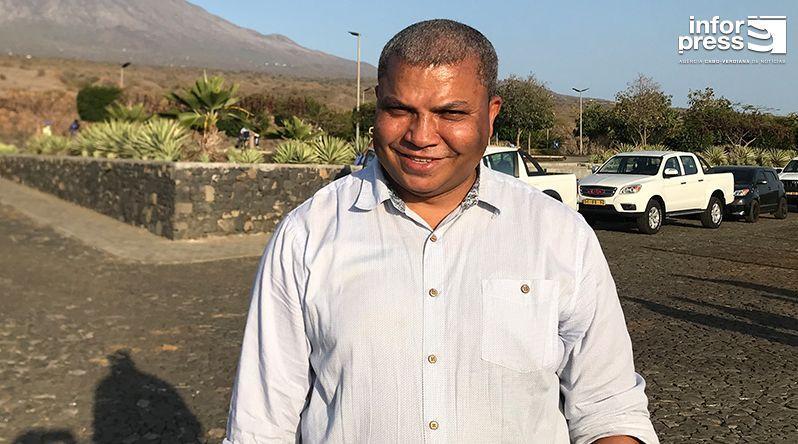
Africa-Press – Cape verde. The leader of the “Highlands of Fogo Project – Paths to the Future” initiative, Carlos dos Santos, advocated for the construction of road networks to unlock the island’s highlands and generate new opportunities for economic and social development.
The project envisions the construction of a horizontal road network of over 20 kilometers, connecting Montinho de Monte Velha, in the municipality of Mosteiros, to the entrance of the Natural Park in Cabeça Fundão, at an average altitude of 1,500 meters.
This road will be complemented by the opening of two vertical networks, connecting the most densely populated areas, namely Velho Manuel in the north and Monte Grande in the south.
According to Carlos dos Santos, the horizontal network will function as a third ring road for Fogo Island, allowing access to previously isolated areas with high potential in agriculture, livestock farming, sustainable tourism, and soil erosion control.
Unlocking these areas is considered fundamental to valuing natural resources and retaining populations in the island’s interior.
The project will be community-managed through a highland development society structured as a cooperative, involving landowners, farmers, ranchers, local associations, national and foreign investors, and other interested organizations.
The objective is to promote an inclusive, community-based development model that transcends political cycles and encompasses the three municipalities of Fogo Island: São Filipe, Mosteiros, and Santa Catarina.
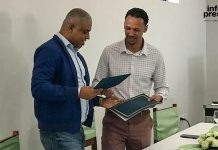
Today, a protocol will be signed with the Ministry of Infrastructure, Housing and Spatial Planning (MIHOT) for the financing of the acquisition of a tracked backhoe loader, which will allow the start of road construction and project implementation, with the support of the São Filipe Municipal Council.
In addition to the high soil fertility, the highlands have small water sources, favorable for irrigation, animal husbandry, and agri-food processing, reinforcing the economic viability of the project.
Following the signing of the protocol, detailed technical studies of the routes will be carried out, and the mobilization of national and international partners, including municipalities, the government, and international organizations, will be intensified, with a view to making the highlands of Fogo more accessible, productive, and sustainable, according to Carlos dos Santos.
The immense potential of the outer part of the Bordeira mountain range, known as Serra, for viticulture and other fruit crops under rainfed conditions represents one of the island’s greatest agricultural assets, but remains underutilized due to lack of access, incentives, and effective public policies, according to some producers.
For the producers, the island’s future depends on harnessing the agricultural potential of the outer Bordeira area, from Cabeça Fundão (Santa Catarina), through the highlands of Monte Grande/Cabeça Monte, Ribeira Filipe (São Filipe), to Montinho (Mosteiros), and to harness this potential, it is enough to open access roads and create conditions and incentives.
For More News And Analysis About Cape verde Follow Africa-Press