Africa-Press – Cape verde. The leader of the parliamentary group of the Movement for Democracy (MpD, ruling party) stated this Wednesday that the social security system “is growing and consolidating,” rejecting crisis scenarios and pointing to “structural, financial and social gains” achieved.
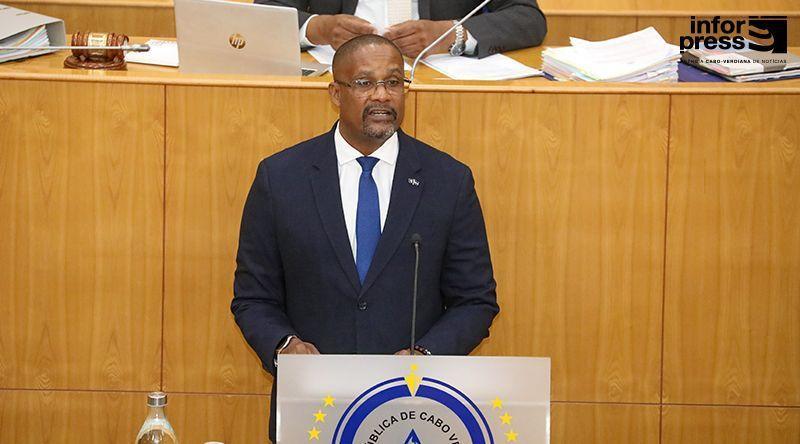
At the start of the parliamentary debate on the sustainability of social security, Celso Ribeiro considered that the topic demands “seriousness, rigor and political responsibility,” arguing that the system should be treated as a collective asset and not as an instrument of partisan dispute.
“Social security in Cape Verde is not in crisis. It is growing, consolidating and transforming,” he stated, adding that those who insist on constructing “a narrative of collapse are not speaking based on facts.”
The parliamentary leader highlighted that in recent years the country has registered “clear, consistent and measurable progress,” with a “significant increase” in social coverage, “growth in the contributory base” and “strengthening of social benefits.”
According to the data presented, social security coverage increased from approximately 40% to over 60% of the population, while the number of active insured individuals reached more than 124,000, covering approximately 288,000 people.
Celso Ribeiro also highlighted the system’s financial performance, with declared contributions reaching 13.8 million escudos in 2024, and a collection rate of 97.9%, driven by the digitalization and modernization of services.
The deputy also emphasized the growth of the Social Security Reserve Fund, which exceeded 115 billion escudos, considering that this result reflects “prudent management, based on international best practices”.
“Today we have about one pensioner for every 12 active workers, which demonstrates a still solid contributory base,” he stated, adding that current projections indicate positive results until 2053 and sustainability until 2070.
The parliamentarian also pointed to implemented structural reforms, such as the pension system reform, the integration of public administration and the expansion of coverage to new professional groups, as well as the creation of benefits such as unemployment benefits.
Among the measures with a direct impact on people’s lives, he highlighted the increase in the minimum wage, the appreciation of pensions and the strengthening of parental protection.
“The social protection system has evolved from a limited model to a more robust and effective system that contributes to the reduction of extreme poverty,” he stated.
Despite the progress, he acknowledged challenges such as the aging population, the pressure on pension expenses and informality in the labor market, arguing, however, that these are “signs of maturity” of an expanding system.
“The system is not collapsing. The system is not bankrupt. The system is growing, consolidating, and transforming,” he emphasized.
Celso Ribeiro also called for a “demanding but fair” debate, arguing that parliament should adopt a stance of national responsibility, “avoiding alarmism and populism.”
“The debate should be conducted with a logic of anticipation, preparing the system for future demographic and financial challenges,” he summarized.
In conclusion, he stressed that social security systems “are not built in political cycles, but over decades,” appealing for a collective commitment to ensure their sustainability and continuity for the benefit of future generations.
For More News And Analysis About Cape verde Follow Africa-Press