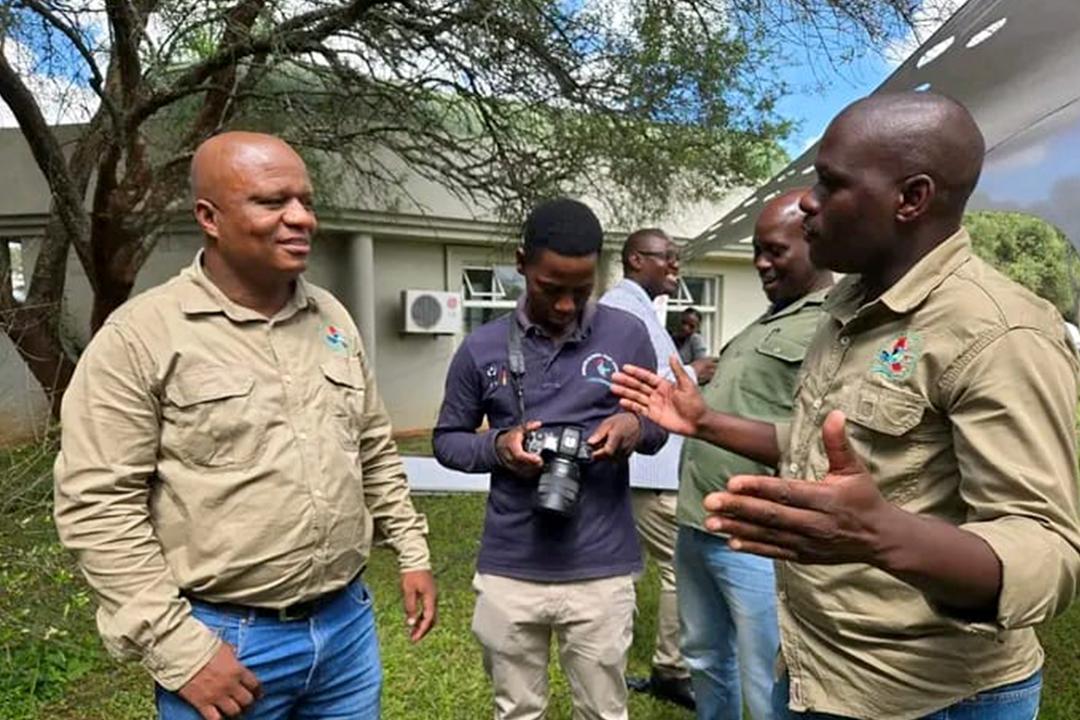
Africa-Press – Eswatini. Key environmental stakeholders have taken a significant step towards strengthening conservation efforts in Eswatini by validating Protected Area Management Plans under the Mbuluzi Ecosystems Restoration Project during a high-level workshop held.
The initiative brought together representatives from the Eswatini National Trust Commission (ENTC), the Ministry of Agriculture, game reserve authorities, and the Participatory Ecological Land Use Management (PELUM) network, among others, to review and refine strategic plans for three protected areas which are Mlawula, Malolotja and Hawane.
The workshop marks a crucial milestone in aligning Eswatini’s conservation agenda with global standards, particularly the Kunming-Montreal Global Biodiversity Framework and guidelines set by the International Union for Conservation of Nature (IUCN). Stakeholders engaged in collaborative discussions aimed at ensuring that the plans are practical, inclusive and responsive to both environmental and community needs.
Officials indicated that the validated plans are designed to strengthen ecosystem restoration, enhance biodiversity conservation, and promote sustainable land and agricultural management practices. Importantly, the frameworks are expected to serve as replicable models for protected areas across the country, positioning Eswatini as a proactive player in global environmental stewardship.
Speaking during the engagement, participants emphasised the importance of coordinated action in preserving natural resources, noting that protected areas play a vital role in supporting livelihoods, tourism and climate resilience. The involvement of diverse stakeholders reflects a growing recognition that conservation success depends on partnerships that bridge government, communities and conservation organisations.
The Mbuluzi Ecosystems Restoration Project, under which the plans are being developed, seeks to rehabilitate degraded landscapes while promoting sustainable use of natural resources. By integrating conservation with agricultural practices, the project also contributes to food security and economic resilience for local communities.
Today’s validation process not only reinforces the country’s commitment to safeguarding its rich biodiversity but also signals a forward-looking approach to environmental management. As Eswatini continues to refine its conservation strategies, the strengthened management plans are expected to deliver long-term ecological and socio-economic benefits.