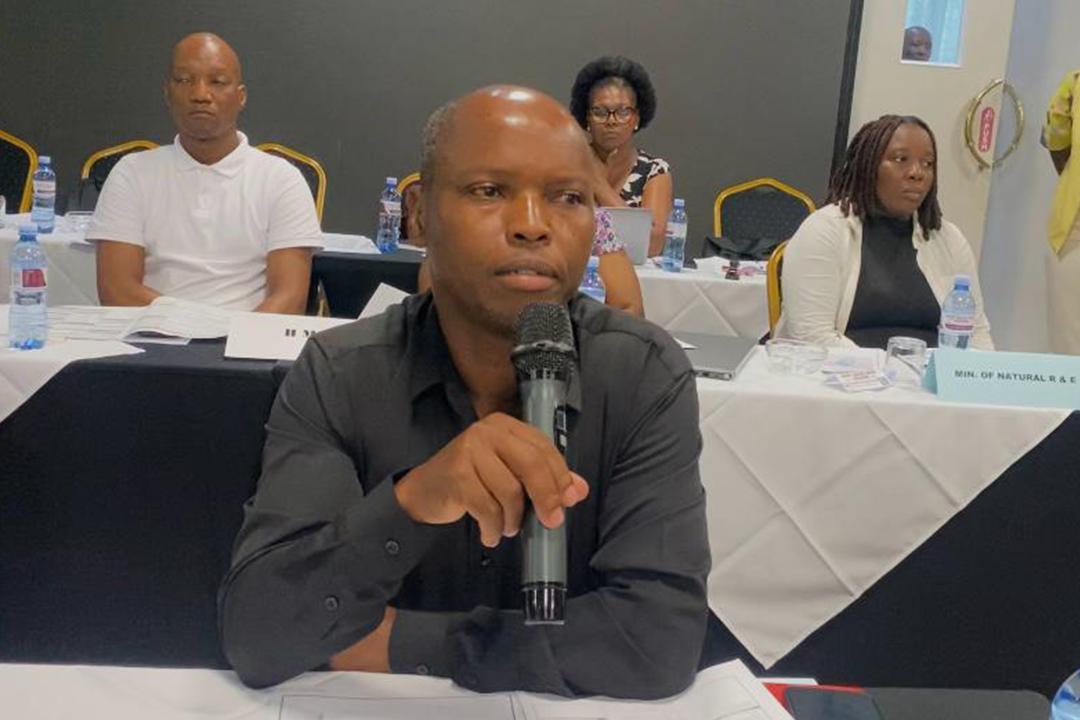
Africa-Press – Eswatini. The Social Welfare Department, through representative Simanga Maseko, on TuesdayMarch 31, 2026 encouraged clearer and more consistent definitions of orphans, vulnerable children, and persons with disabilities during a Questionnaire Development Workshop held at Happy Valley Hotel in Ezulwini, aimed at improving data collection and strengthening social protection systems in Eswatini.
Stakeholders from government and partner organisations convened at the workshop to refine key concepts that guide national surveys and policy implementation. The engagement focused on addressing inconsistencies that often affect how vulnerable populations are identified, classified, and supported.
Maseko highlighted that unclear definitions can create gaps in service delivery, resulting in some individuals being excluded from assistance or incorrectly categorised. Participants noted that while orphans are generally defined as children who have lost one or both parents, vulnerable children extend beyond this group to include those living in poverty, facing neglect, or lacking proper care and protection.
The discussion also placed emphasis on the need for standardised disability classifications. It was noted that varying interpretations can limit access to essential services and undermine efforts to ensure inclusivity. Strengthening clarity in this area is expected to enhance access to support for persons with disabilities and ensure that interventions are appropriately targeted.
Experts underscored that clear and uniform definitions are critical for evidence-based planning, accurate data collection, and effective resource allocation. Without this clarity, it becomes difficult to measure impact or design programmes that adequately respond to the needs of different groups within communities.
The workshop forms part of broader national efforts to improve data systems and build responsive, inclusive social protection policies. By refining the tools used in data collection, authorities aim to ensure that no vulnerable group is overlooked in development planning and service delivery.