
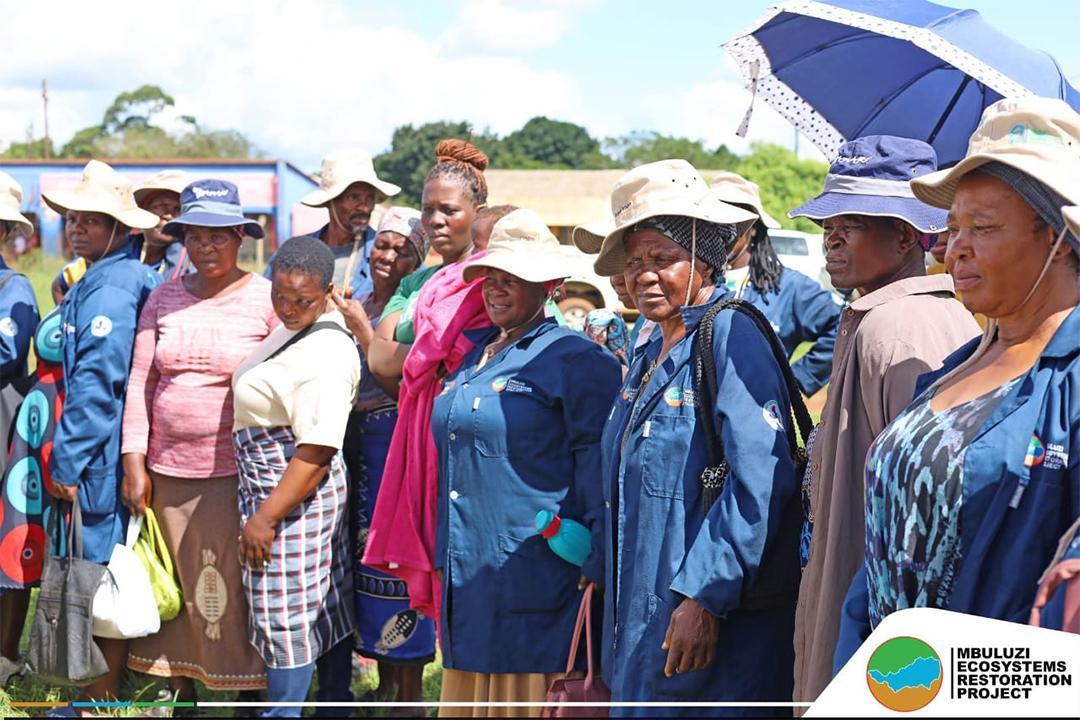
Africa-Press – Eswatini. In the quiet rural communities of Lomahasha Inkhundla, a community-based food and sustainability initiative is reshaping how families produce and consume food, according to organisers and participants. The programme, implemented under the Mbuluzi Ecosystems Restoration Project, aims to improve nutrition and livelihoods by linking local farming to everyday meals.
The initiative is led by the Eswatini National Trust Commission (ENTC), with funding from the Global Environment Facility and technical support from the United Nations Environment Programme. Officials say the project focuses on sustainable land management, ecosystem restoration and food security in the Mbuluzi River Basin, which extends into Mozambique.
During a recent community activity, the Home Economics Department of the Ministry of Agriculture Eswatini facilitated a practical session where residents prepared meals using indigenous crops. According to organisers, the session was designed to demonstrate how locally available foods can be used to improve household nutrition.
Participants who attended the session described it as both educational and practical. One community member said the demonstration helped them see new ways of preparing familiar foods, while another noted that the approach could reduce reliance on store-bought items. Their views could not be independently verified but reflect sentiments shared during the activity.
The project comes at a time when communities in the Mbuluzi River Basin face environmental pressures, including land degradation and the effects of climate change. Agricultural experts involved in the initiative say sustainable farming practices, combined with improved food preparation knowledge, may help households become more resilient. However, long-term impacts on food security and income levels are yet to be fully assessed.
The involvement of local stakeholders, including extension officers and community leaders, has been cited as a key factor in the programme’s implementation. Observers note that combining traditional knowledge with modern agricultural practices may strengthen adoption at household level.
While early feedback from participants has been positive, independent evaluation data on the project’s outcomes remains limited. Analysts suggest that continued monitoring will be necessary to determine whether the initiative delivers measurable improvements in nutrition and environmental restoration over time.
As Eswatini continues to address food security and environmental challenges, initiatives such as this highlight the role of community participation. Whether the Lomahasha model can be replicated elsewhere will likely depend on sustained support, funding, and measurable results.