Africa-Press – Eswatini. As Eswatini prepares for the Ruby and King’s 58-year Celebrations scheduled for 24 April 2026 at Somhlolo National Stadium, towns and cities across the country have joined in praising King Mswati III for his 40 years of leadership, highlighting extensive urban transformation, infrastructure development, and national progress.
Leaders from various municipalities and town councils say the milestone reflects four decades of sustained development, modernisation, and strengthened cultural identity. The ongoing nationwide celebrations, including community roadshows and public activations, have sparked renewed appreciation of the King’s long-term development vision.
Officials note that cities have evolved significantly under his reign, with improved infrastructure, expanded economic activity, and increased investment in urban planning and service delivery.
Mbabane: Capital Transformed into Modern Smart City
In Mbabane, Mayor Thulani Mkhonto commended the King’s leadership, recalling the 1992 declaration of Mbabane as the national capital. He said the decision was instrumental in accelerating urban development, attracting investment, and enhancing the city’s international profile through partnerships with other capitals.
Municipal Council Chief Executive Officer Gciniwe Fakudze said Mbabane has transformed from a small mountain town into a modern administrative and economic centre. She noted that infrastructure expansion, digital innovation, and improved connectivity have positioned the capital as an emerging smart city.
Fakudze highlighted developments such as road dualisation projects, upgraded public infrastructure, and improved service delivery systems. She said these improvements reflect the King’s forward-looking leadership and his commitment to building sustainable cities that respond to modern urban demands.
She further added that Mbabane’s growth has also improved business confidence, increased investment opportunities, and strengthened public service delivery across sectors.
Mbabane, named after Chief Mbabane Kunene, was declared the administrative capital and a town in 1902, following the British assumption of control over Swaziland after the Anglo-Boer War. It replaced Bremersdorp (now Manzini) as the hub of administration after being founded as a settlement by Micky Wells around 1887 on the Transvaal-to-Mozambique route.
Manzini: Strengthened Economic and Commercial Hub
In Manzini, Mayor Wesley Dlamini said the city has developed into one of Eswatini’s leading economic centres, driven by structured planning and continuous infrastructure investment. He credited the Integrated Development Plan and formal town planning schemes for guiding orderly urban expansion.
Dlamini said Manzini has experienced notable growth in commercial infrastructure, including the establishment of shopping malls, banking institutions, corporate offices, and health facilities. He added that improvements in road networks, street lighting, and urban services have significantly enhanced residents’ quality of life.
He further stated that over 600 residential plots have been allocated in recent years, helping to address housing demand and promote inclusive urban development. Youth empowerment initiatives and public-private partnerships, he said, have also contributed to local economic growth and job creation.
Dlamini emphasised that Manzini’s transformation reflects sustained national development planning and long-term strategic leadership.
Manzini was designated a township in 1898 under its original name, Bremersdorp, and served as the administrative headquarters of Swaziland from 1895 to 1899. It was later officially declared a city in 1992 by King Mswati III, marking its transition from a town to a city.
Ezulwini: Emerging Diplomatic and Tourism Hub
In Ezulwini, Mayor Refiloe Mamabolo said the town has grown significantly since 1986, largely due to the King’s vision of positioning it as a diplomatic and tourism centre. She said Ezulwini now hosts several key national and international institutions, reinforcing its strategic importance.
Mamabolo highlighted ongoing developments such as the International Convention Centre (ICC) and a five-star hotel, which are expected to boost tourism, conferences, and international engagement. She added that these investments reflect long-term planning aimed at strengthening Eswatini’s global competitiveness.
Ezulwini CEO Mathokoza Shongwe echoed her sentiments, noting that the town’s development has been guided by consistent leadership and national priorities that support economic diversification and tourism growth. Ezulwini was declared as a town on August 4, 1995 and has been improving rapidly ever since.
On behalf of Matsapha Town Council and the residents of Matsapha, Mayor Lindiwe Dlamini joins the nation in celebrating His Majesty’s 40 years on the throne and 58th birthday, giving thanks to the Lord for guiding his leadership throughout the years.
She reflects on Matsapha’s inspiring transformation, from bushland beginnings to a growing hub of development. She credits His Majesty for attracting international investors and creating opportunities that continue to uplift the town. She also commends his commitment to promoting gender equality and empowering women.
While celebrating the milestones achieved, Dlamini notes that more work still lies ahead to further advance Matsapha, and offers a heartfelt prayer for the Lord’s continued protection over His Majesty.
Matsapha: Industrial Growth and Investment Expansion
On behalf of Matsapha Town Council and residents, Mayor Lindiwe Dlamini has highlighted the town’s transformation from its early bushland beginnings into a growing industrial and economic hub.
She notes that Matsapha’s development has been driven by investment attraction, industrial expansion, and infrastructure growth, which have created employment opportunities and supported local economic activity.
The town is recognised as one of Eswatini’s key industrial centres, with continued efforts focused on strengthening manufacturing capacity and improving economic resilience. Emphasis is also placed on inclusive development, particularly women’s empowerment and broader community participation in economic growth.
Matsapha, located near Manzini, is Eswatini’s primary industrial hub, established in the 1960s to drive economic development. It evolved from agricultural land into a bustling estate hosting over 700 businesses—including Coca-Cola and Swaziland Beverages—featuring a major railway dry port and Matsapha Internationa Airport. Its population swells daily with workers [45 000] to a small residential base of 10 000.
Matsapha was officially gazetted as an urban area in 1969. It was later declared a Town Council in 2012 under the Urban Government Act of 1969, establishing it as a local authority. The area was initially established as an industrial park in 1965.
Piggs Peak: Local Growth and New Investments
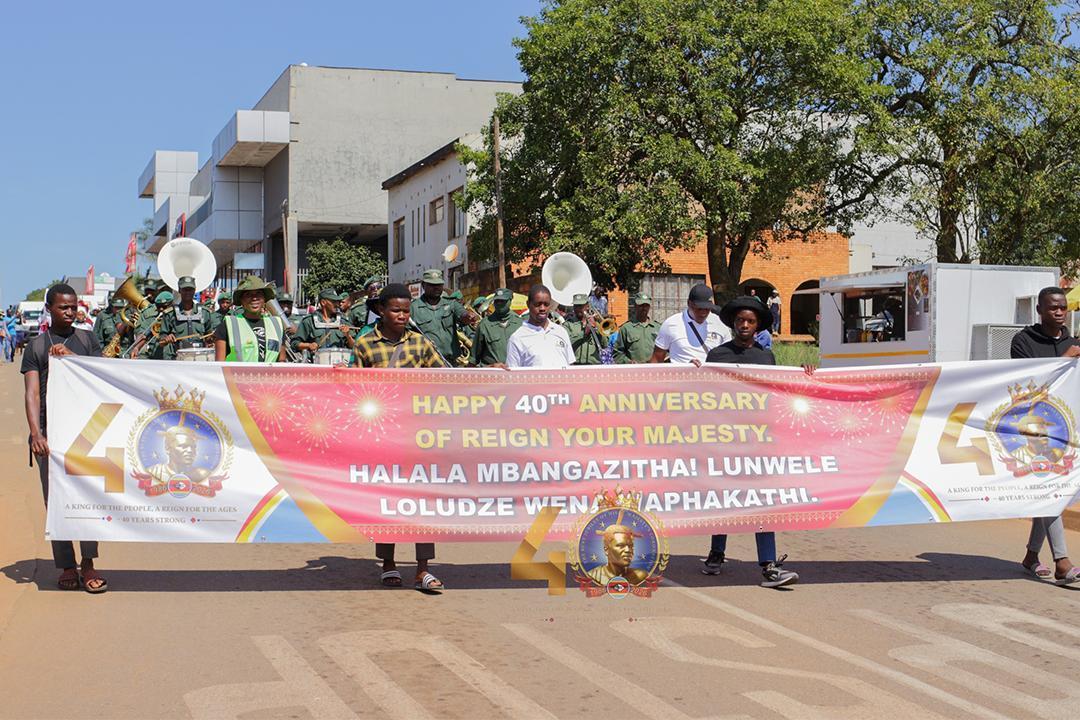
In Piggs Peak, the Town Council recently joined national celebrations through a march organised in collaboration with the Ministry of Home Affairs. Mayor Sipho Shongwe and CEO Roison Pave led residents in commemorating the King’s 40-year reign, highlighting new commercial developments and increased investment in the area.
The town has seen the emergence of new businesses, including retail outlets and service providers, which have contributed to local job creation and economic diversification. Pigg’s Peak became a town on March 5, 1993, allowing the urban area to give services that are available in a town.
Pigg’s Peak was founded in 1884 by French prospector William Pigg following his discovery of a rich gold reef near the Emlembe mountain. Originally a booming mining town, it transitioned to a hub for the forestry industry after gold mining ceased in the 1950s, and it now serves as a scenic tourist center.
Nhlangano: Declared Town in 1994, Marking Steady Growth
In Nhlangano, the Town Council and residents, under the leadership of Mayor Mandla Gift Sibandze and CEO Babsy Mavuso, hosted a roadshow activation this past Saturday to mark the King’s 40-year reign. The town, which was officially declared in 1994, continues to experience gradual infrastructure and community development.
The event formed part of nationwide celebrations aimed at strengthening public participation and national pride. It also provided an opportunity to reflect on local progress while encouraging continued unity and development.
Officials involved in the activation noted that Nhlangano’s designation as a town marked an important milestone in its development trajectory, with ongoing improvements continuing to enhance service delivery and economic opportunity.
Nationwide Roadshows Boost Public Engagement
Nationwide roadshow activations have further strengthened public engagement, bringing communities together in celebration of unity, culture, and progress. Organisers say the initiative is helping to build momentum ahead of the Ruby Celebration while reinforcing national pride across all regions.
As Eswatini moves towards the historic milestone celebration, local authorities continue to emphasise development achievements while expressing commitment to sustaining growth under continued visionary leadership.
For More News And Analysis About Eswatini Follow Africa-Press