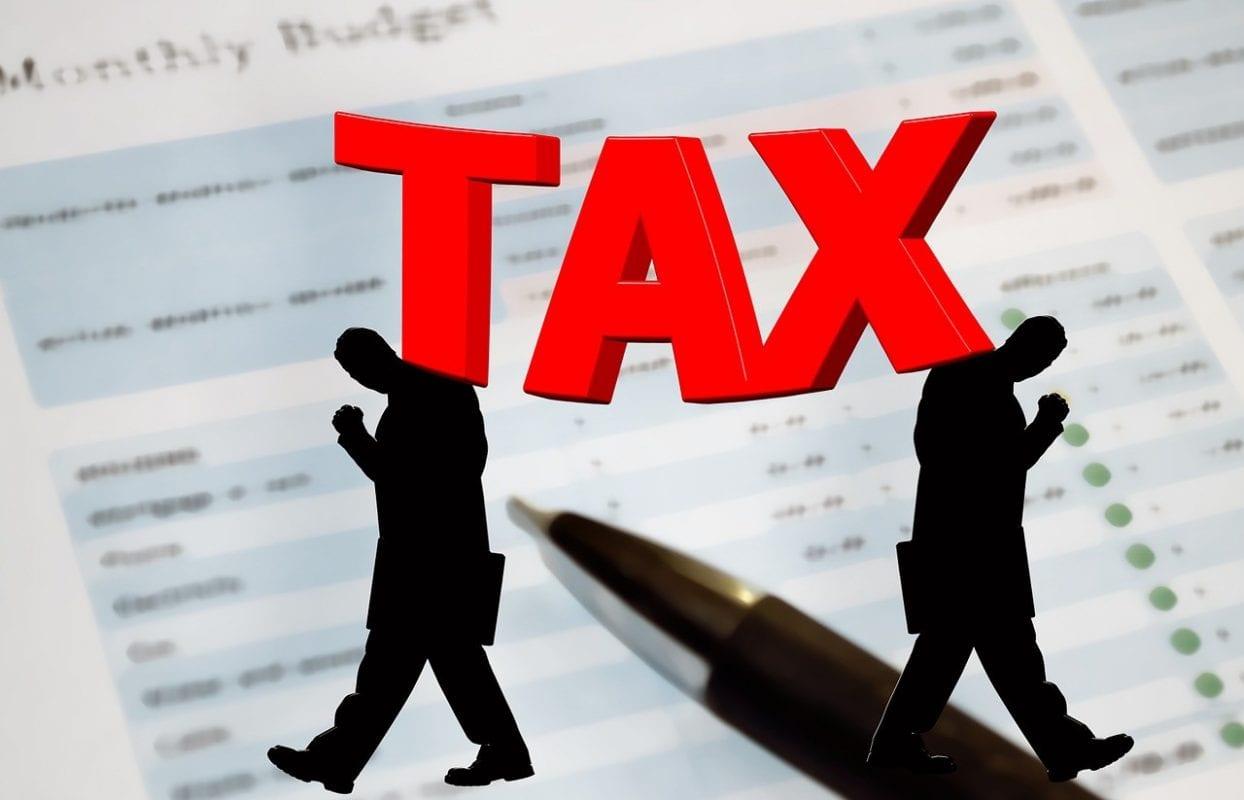
Africa-Press – Eswatini. The Trade Union Congress of Swaziland (TUCOSWA) feels the country should have opted for an investment incentive instead of just a corporate tax cut.
In his Budget Speech about a fortnight ago, Minister of Finance Neal Rijkenberg announced a corporate income tax cut from 27.5 to 25 per cent. TUCOSWA Secretary General Mduduzi Gina, made the call during a Post Budget Seminar, organised by the Central Bank of Eswatini (CBE) in partnership with the Economics Association of Eswatini (ECAS). The event, which is simply meant to dissect the national budget, was held at Sibane Sami Hotel in Ezulwini yesterday. Minister of Finance Rijkenberg, headlined the list of guests yesterday. ‘”The corporate tax cut may not have an immediate benefit for the country in terms of attracting foreign direct investment.
It will benefit instantly the existing businesses. “It would have been appreciated by us if this was an investment incentive to be enjoyed for a particular period by businesses who open up shop,” said Gina. Gina also said it was not clear to them on how the deficit cost created by the corporate tax cut would be closed. “Can the three per cent increase in pay-as-you earn close this gap?” wondered Gina.
Gina said that their worst fears were that the gap could be attended to by invoking aggressive personal tax collection. Meanwhile, Mavie Thwala, on behalf of the United Nations Development Programme (UNDP), said the reduced tax could be an attraction for private capital formation, but such should be provided within an environment that is conducive to investment. “Prioritise investment climate improvements that will make it easy to do business in Eswatini. “Embrace E-Government and the benefits of digitisation to improve efficiencies, reduce costs and curb corruption,” he appealed.
Thwala further called for a design of a comprehensive youth programme to increase their economic activity as idleness drew them to negative elements. The minister, on the other hand, took to update on the progress made in addressing the problem areas identified by the International Monetary Fund (IMF). They include overspending on the budget, Central Transport Administration (CTA) and being on unsustainable paths. Others include addressing issues of arrears and wage bill. “We made a decision as government to cut the CTA trading account,” reminded the minister.
The minister further shared that the hiring freeze helped to address the issue of the wage, saying there was less than a per cent in civil servants over the years. Regarding sustainability, he noted that the fiscal deficit had been declining over the year, following a drop from around 7.5 per cent to below five per cent. On the issue of taxes, the minister shared that discussions were underway, and the much published issue of the increase from 33 to 36 per cent on pay-as-you-earn for high income earners was expected to be implemented in April next year.
For More News And Analysis About Eswatini Follow Africa-Press