Africa-Press – Eswatini. Over 215 000 people are now on lifesaving antiretroviral treatment (ART) and new HIV infections have dropped by 75% over the past decade.
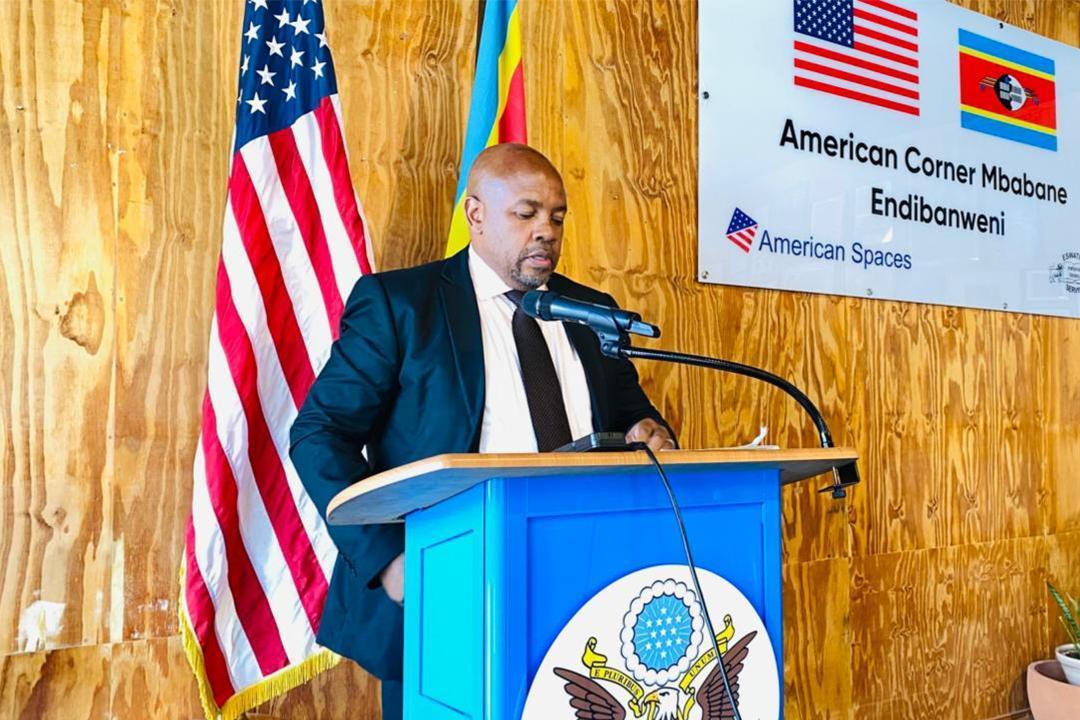
The Ministry of Health announced on Friday, 12 December 2025, during the signing of a five-year Bilateral Memorandum of Understanding (MoU) with the United States Government at the American Corner in Mbabane.
Minister of Economic Planning and Development, Dr. Tambo Gina, praised the health sector’s progress, noting that over 96% of Emaswati living with HIV are now receiving life-saving treatment. This has contributed to a nearly 20-year increase in life expectancy, from 42.5 years in 2005 to 60.7 years in 2020. He also highlighted the dramatic reduction in mother-to-child transmission of HIV, which has fallen from a peak of 3 300 cases in 2005 to just 34 cases per year. According to Dr. Gina, these achievements have moved Eswatini from being one of the countries most affected by HIV to a global leader in epidemic control.
Speaking at the ceremony, Hon. Minister of Health Mduduzi Matsebula highlighted that the collaboration with the United States, which has contributed nearly over E16 billion since 2005, has been transformative. Eswatini became the first country in Africa to achieve the UNAIDS 95-95-95 targets ahead of schedule. Minister Matsebula emphasized that universal access to ART has allowed over 215 000 Emaswati to receive lifesaving treatment, while thousands of babies are now being born free from HIV. This achievement has given the nation a global distinction and a model for effective HIV control.
Matsebula also outlined progress in HIV prevention. Through the rollout of combination HIV prevention interventions, the country has reduced annual new HIV infections from 12 000 per year in 2011 to just 4 000 per year in 2021. Eswatini is also at the forefront of the global lenacapavir rollout, a promising prevention tool aimed at protecting adolescent girls and young women, who remain the most vulnerable to new infections. These efforts, he said, demonstrate the power of strategic partnerships in saving lives and reducing transmission.
In addition, Minister Matsebula highlighted the strengthening of the national health system as a key achievement. The establishment of a national electronic medical record system, full decentralization of laboratory sample transportation, institutionalization of routine disease surveillance, and improved management of health commodities have all contributed to a robust health infrastructure. He noted that this strong foundation proved vital during the COVID-19 pandemic, allowing Eswatini to detect and respond to public health threats effectively.
The new five-year MOU acknowledges Eswatini’s strengthened national capacity to sustain these gains while empowering the country to take full leadership of its HIV response. It also supports broader health priorities, including non-communicable diseases and improved detection and response to disease outbreaks.
Minister Matsebula concluded with a message of hope and determination: “We have an amazing opportunity to build on these achievements, maintain the highest quality of care for our brothers and sisters living with HIV, and offer the most effective prevention methods available. Together, we are making our country safer, stronger, and healthier.”
For More News And Analysis About Eswatini Follow Africa-Press