Africa-Press – Eswatini. The Ministry of Natural Resources and Energy has taken a significant step towards transforming Eswatini’s transport and energy landscape by convening a high-level stakeholder workshop to deliberate on the reviewed draft National Electric Mobility Policy and its Implementation Plan.
The engagement reflects the Kingdom’s growing commitment to sustainable development, climate action, and innovation within the transport sector.
The workshop builds on a successful national consultation held on 16 December 2025 at the Happy Valley Hotel, during which stakeholders provided critical insights aimed at strengthening the policy framework. Those contributions have since been incorporated into the revised draft, ensuring that the policy is responsive to local needs, technically sound, and aligned with regional and global best practices.
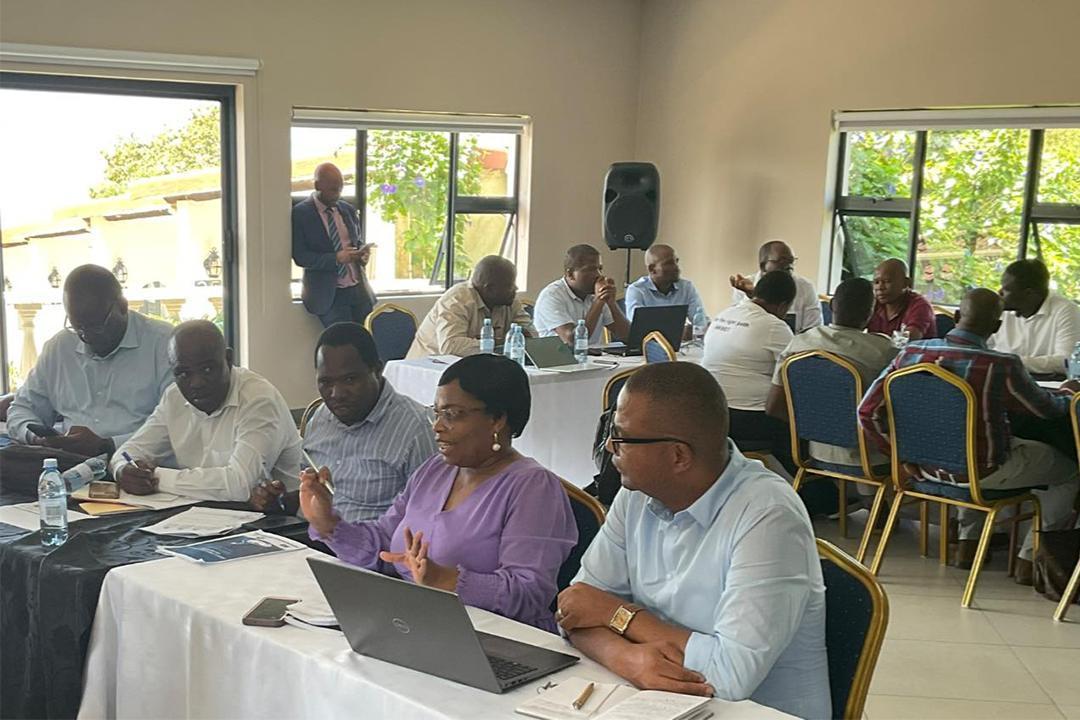
Participants at the workshop included representatives from key government ministries, energy regulators, municipalities, academic and research institutions, as well as other strategic partners. The diverse representation was intended to foster a shared understanding of roles and responsibilities in advancing electric mobility across the country.
Deliberations focused on several priority areas essential for the successful rollout of electric mobility in Eswatini. These included the development of charging infrastructure and grid integration, ensuring that the national power system can reliably support increased electricity demand. Stakeholders also examined battery lifecycle management, environmental compliance, and recycling mechanisms to minimise environmental risks and promote responsible resource use.
Additional discussions centred on incentives and financing models to encourage the adoption of electric vehicles by both public and private sectors, alongside strategies for capacity building, skills development, and public awareness. Effective communication was highlighted as a critical component in driving behavioural change and building confidence in electric mobility technologies.
The outcomes of the workshop will directly inform the establishment of an Electric Mobility Steering Committee (EMSC) and dedicated Technical Working Groups (TWGs). These structures will provide strategic oversight, technical guidance, and coordinated implementation of electric mobility initiatives nationwide.
Once implemented, the National Electric Mobility Policy is expected to contribute to reduced greenhouse gas emissions, improved air quality, enhanced energy efficiency, and increased use of locally generated electricity. It will also position Eswatini as a forward-looking nation embracing innovation and sustainable transport solutions.
The Ministry reaffirmed its commitment to working collaboratively with all stakeholders to ensure that electric mobility becomes a practical, inclusive, and transformative reality for the Kingdom of Eswatini.