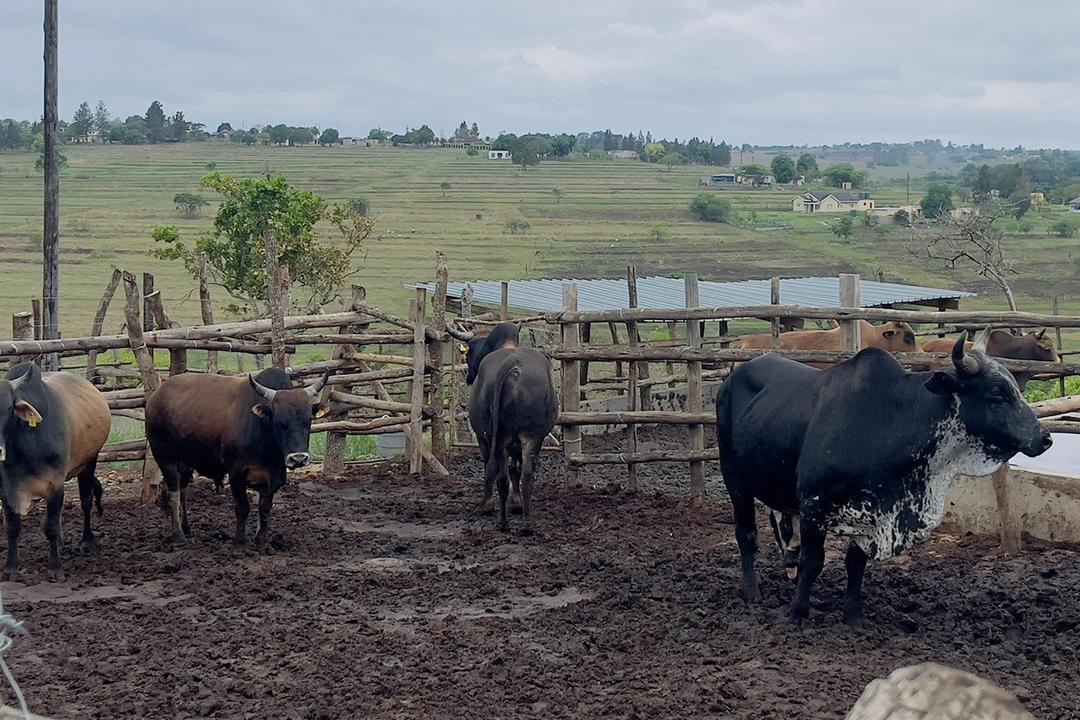
Africa-Press – Eswatini. Farmers in areas affected by Foot and Mouth Disease (FMD) have been granted permission to trade livestock for slaughter, a move expected to bring much-needed relief to households during the festive season and the start of the new year.
Minister of Agriculture Mandla Tshawuka announced the decision, acknowledging the economic pressures faced by farmers and livestock owners, particularly at a time when many families depend on the sale of animals to secure food and meet essential expenses. He said the festive season traditionally increases demand for meat, while January places additional financial strain on households due to school fees and other education-related costs.
As a result, the Ministry of Agriculture has authorised livestock trading strictly within FMD-affected areas, with the condition that animals are sold solely for slaughter purposes. Tshawuka stressed that this controlled approach aims to balance economic needs with ongoing efforts to contain the disease.
He emphasised that farmers must comply with strict biosecurity and veterinary guidelines to prevent the spread of FMD to unaffected regions. Livestock sold in affected areas must not be moved for breeding or rearing, and trading across disease boundaries remains prohibited. Likewise, farmers in unaffected areas are not permitted to sell livestock to those in infected zones.
To further strengthen disease control and protect public health, the minister stated that all slaughtering in affected areas must be conducted exclusively at registered abattoirs. Informal or home slaughtering will not be allowed. This ensures that animals undergo proper veterinary inspection and that meat is certified safe for human consumption.
Tshawuka said veterinary experts within the Ministry believe the revised measures will support farmers while reinforcing national disease containment strategies. He commended farmers who have cooperated with veterinary officers and complied with movement restrictions since the outbreak began.
Despite the progress made, the minister acknowledged that the situation remains challenging. Foot and Mouth Disease has now spread to three regions – Shiselweni, Lubombo and Manzini – highlighting the need for continued vigilance.
He called on the public to remain informed and to follow all veterinary advice, noting that awareness and responsible behaviour are key to preventing further spread. Tshawuka expressed confidence that, with cooperation from farmers, communities and authorities, Eswatini can protect both livelihoods and the national herd while working towards full disease control.
The Ministry of Agriculture has committed to ongoing monitoring and public engagement as it navigates this critical period.
For More News And Analysis About Eswatini Follow Africa-Press