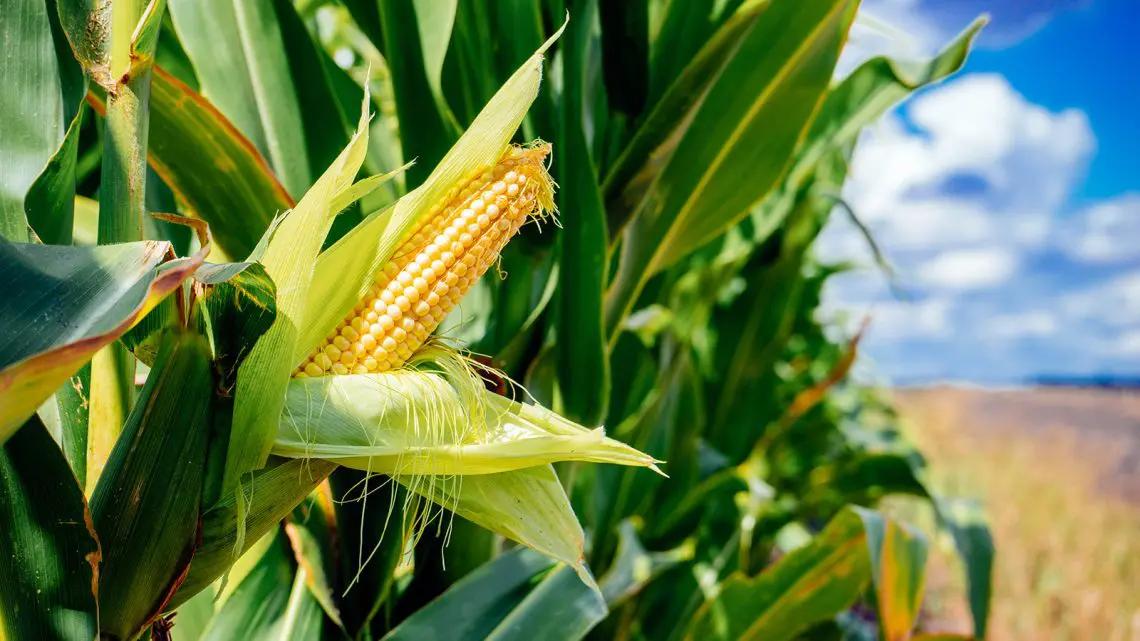
Africa-Press – Eswatini. The price of maize has increased by an average of 25 per cent according to the latest prices issued by the National Maize Corporation.
Explaining factors which influenced the maize price increase, NMC said as a country we do not produce enough maize to meet the current national maize consumption, which provides the reason the kingdom relies on imported maize.
Eswatini imports maize from South Africa (SA) and maize in SA gets traded through South African Future Exchange (SAFEX).
The platform gets mostly influenced by world markets.
As noted in recent past, NMC said the on-going conflict in Ukraine had pushed prices of almost all commodities upwards and maize was not spared as well.
Demand and supply also plays a crucial role in influencing SAFEX prices.
At present, the demand for SA maize was high because countries were making provisions for the unknown future, and that on its own drives prices upwards
When asked whether there had been any consideration made by NMC for consumers prior to the increase of Eswatini’s staple food given the fact that there has been a steady increase of most basic commodities such as fuel, bread, water and electricity, NMC said the price increase was not necessarily imposed by NMC, but a committee (Maize Price Review Committee) which sits to moderate on price proposal from NMC.
Consumers are also represented in the committee. Recommendations from the committee are then submitted to the Minister of Agriculture Jabulani Mabuza for approval through the ministry.
Otherwise, as mentioned earlier, NMC stated that the high costs got imported from South Africa, and NMC just added a certain margin to cover operational costs.
In terms of projected revenues on the latest maize price increase, NMC clarified that the increase was not meant to boost revenues, but it was meant for NMC to be able to afford to import maize at a high price, so as to ensure continuous food availability in the country. When probed as to how production volumes of maize in the kingdom during the past farming season were and what were the projected volumes going forward, NMC said as far as they knew, a survey on the same was ongoing. The parastatal clarified that the ministry of agriculture was better positioned to provide guidance on the current status of the survey.
Food prices have generally been on the rise lately. Meat prices stand out as being more costly than in 2021, while oil and fats were far more expensive, up 100 per cent.
While food prices fluctuate month-to-month, as many households can attest, things have become a lot more expensive over the past year. A basket of 44 commonly-bought food items, which totalled E1 400.93 in May 2021, now costs around E330 more this year.
As with fuel, the ongoing war in Ukraine continues to be the biggest global driver of higher food prices, due to disruptions in the global supply chain, and rising energy prices.
Within a space of six months from the beginning of October , consumers faced two increases in the cost of electricity in the country.
From October 1, 2021, the cost of electricity went up by 1.6 per cent before a further increase of 0.9 per cent at the beginning of April which took the total increase to 2.5 per cent.
For domestic consumers of electricity, this was a triple blow because at the beginning of April 2021, there was a tariff hike of three per cent, which effectively meant that homesteads saw the cost of keeping the lights on increase by an overall 5.5 per cent in a year.
The Swaziland Consumer Association reacted with surprise at the latest proposed increases.
With the 1.6 per cent increase at the beginning of October, the cost of electricity for domestic use increased from E1.8021 per unit to E1.8179 per unit.
For general purpose, the cost increased from E2.3009 per unit to E2.3246 per unit, while the same applied for small commercial – prepayment and small commercial – credit meter.
For More News And Analysis About Eswatini Follow Africa-Press