
Africa-Press – Eswatini. The Kingdom of Eswatini must deliberately rebuild a culture of empowering citizen-owned enterprises if it hopes to achieve sustainable economic growth and shared prosperity.
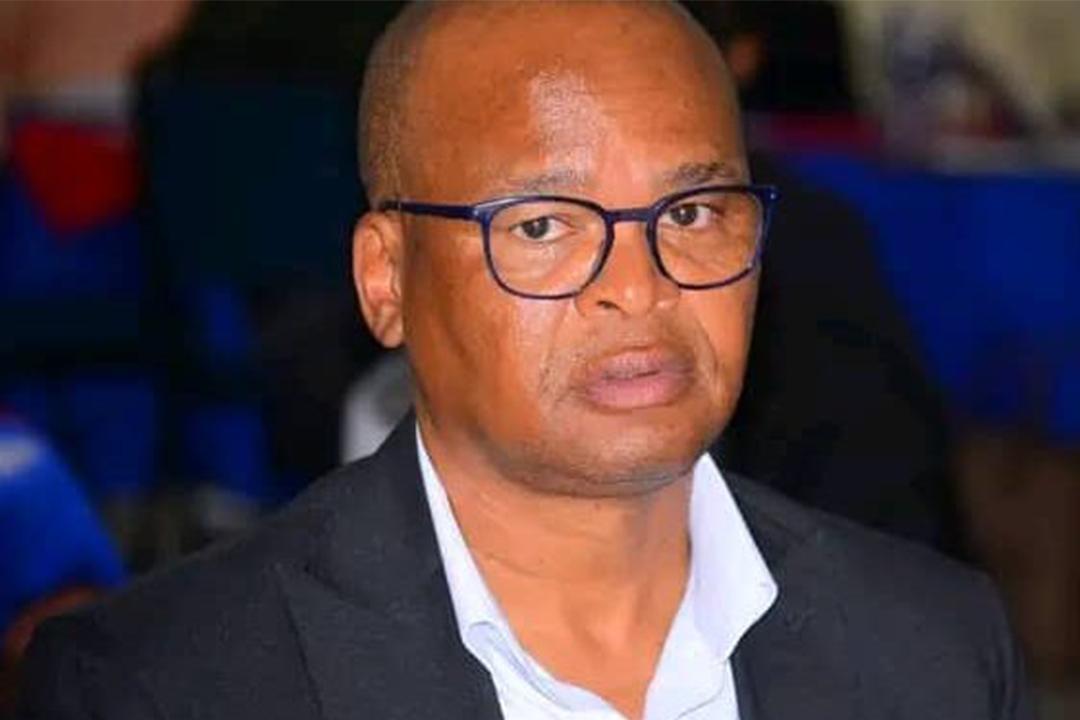
This call was revealed by the Citizens Economic Empowerment Act (CEEA) Council, Chairperson Lincoln Motsa as he was reflecting on the ongoing process of validating the CEEA Regulations.
The chairman said the country previously had strong local economic models that uplifted communities and created lasting wealth – and those lessons should guide today’s development efforts. He pointed to the sugar industry as a historic example of inclusive growth, recalling a time when it was the backbone of the Lubombo economy and a driver of widespread social development.
“At its peak, sugar companies did more than just produce sugar, they built schools, churches and health facilities. Even low-income workers could afford to send their children to school. Companies provided decent housing for employees — from senior managers to cleaners — and supplied food rations. They also invested in recreational facilities, which produced strong football clubs that later dominated Eswatini’s Premier League. Through academic sponsorships, the sugar industry helped develop many of the country’s professionals,” he said.
While acknowledging that this level of holistic empowerment has declined over time, Motsa noted that companies such as Ubombo Sugar Limited continue to contribute meaningfully to national development. He said the company supports a Premier League football team, empowers smallholder farmers through sugarcane procurement, and has announced plans to invest in electricity generation – initiatives expected to boost economic growth, job creation and wealth generation.
Again, Motsa also highlighted the former success of Metro Cash and Carry, once a dominant wholesaler with operations across all four regions. He said Metro played a transformative role in developing locally owned retail businesses through its Lucky Seven and Square Deal brands.
“For small shop owners, Metro Cash and Carry encouraged them to join Lucky Seven, where they received hands-on training in running a business – from financial management to merchandising, operations and promotions,” he explained.
He added that Metro Cash and Carry hosted regular regional workshops where members shared industry knowledge and learned about trends shaping the retail sector locally and internationally. Retailers who outgrew Lucky Seven graduated to Square Deal, a brand designed for larger stores, some with service departments such as bakeries, butcheries, fruit and vegetable sections, and delis.
“Under Square Deal, Metro Cash and Carry brought in specialists from South Africa to train local owners in managing these service departments,” the chairman said.
Once again, he added that many Swati-owned stores grew under these two Metro banner groups and began competing strongly with South African retailers, with some winning Store of the Year awards ahead of their regional counterparts. He also said Metro also organised annual international conferences for its members, where top-performing retailers were recognised.
“My first visits to Dubai, Argentina, Italy and Greece were through Metro conferences,” Motsa said.
According to the chairman, numerous families were economically empowered through Metro’s model, with some eventually acquiring major properties such as shopping centres. He cited entrepreneurs including the late Make Thoko Gamedze of Siphofaneni, Make Nkumane of Mankayane kaThuthuka, Babe Absolon Ndlovu of ABSA Investments, Khanya Ndlovu of Pick Yours Supermarket and Lincoln Motsa of OK Foods, among others.
“As a country, we need local corporates that grow together with emaSwati,” he said, emphasising that this is the type of inclusive growth the CEEA seeks to promote.
After that, he commended the Central Bank of Eswatini (CBE) for intentionally engaging citizen-owned companies in the construction of its new building in Ezulwini, describing the move as a practical example of economic empowerment in action.
“This is what intentional economic growth looks like,” Motsa said, adding that the council expects similar participation by local companies in major national projects such as the Lower Usuthu Smallholder Irrigation Project (LUSIP) Dam and the Maloma Road.
He urged stakeholders across sectors to prioritise local ownership and participation, stressing that empowering citizens is key to sustainable development and national prosperity.
The Eswatini Citizens Economic Empowerment Council has drafted and validated regulations to operationalise the Citizens Economic Empowerment Act. These regulations outline the implementation framework, including the roles and responsibilities of the Council, and are expected to enhance economic growth while broadening citizen participation in the national economy.
“Through collaboration between government, the private sector and communities, Eswatini can build a resilient economy that uplifts its people. Let us commit to ‘Eswatini and liSwati First,’” Motsa said.
The chairman further noted that Eswatini could draw lessons from international economic strategies that prioritise domestic interests. He referenced the economic approach associated with former United States President Donald Trump as an example of deliberate national self-empowerment.
He then highlighted that King Sobhuza II consistently cautioned emaSwati against blindly adopting foreign systems simply because they originated from the West or from so-called experts. Instead, the monarch encouraged selectively adopting ideas that work and adapting them to local realities to build national self-reliance.
“What stands out about the ‘America First’ approach is that it was not just a slogan — it was backed by action,” Motsa said.
He also explained that the United States of America (USA) imposed tariffs even on some of the world’s largest economies in an effort to push multinational companies to relocate production back to America, revive domestic industry, create jobs and stimulate economic growth.
“When the policy was first introduced, many dismissed it. Some argued it would drive up inflation and prices, but the President remained resolute,” he said.
Once more, Motsa said the results were swift, with affected countries seeking engagement with the US and major corporations travelling to Washington to negotiate and commit to significant investments.
“We saw countries strengthening bilateral trade relations and companies pledging to invest in America. That translates into jobs, joint ventures and opportunities for both large and small businesses,” he said.
He added that such policies also stimulate small and medium enterprises through support services such as logistics, interpretation and local supply chains.
“That is economic empowerment in practice,” Motsa said.
For More News And Analysis About Eswatini Follow Africa-Press