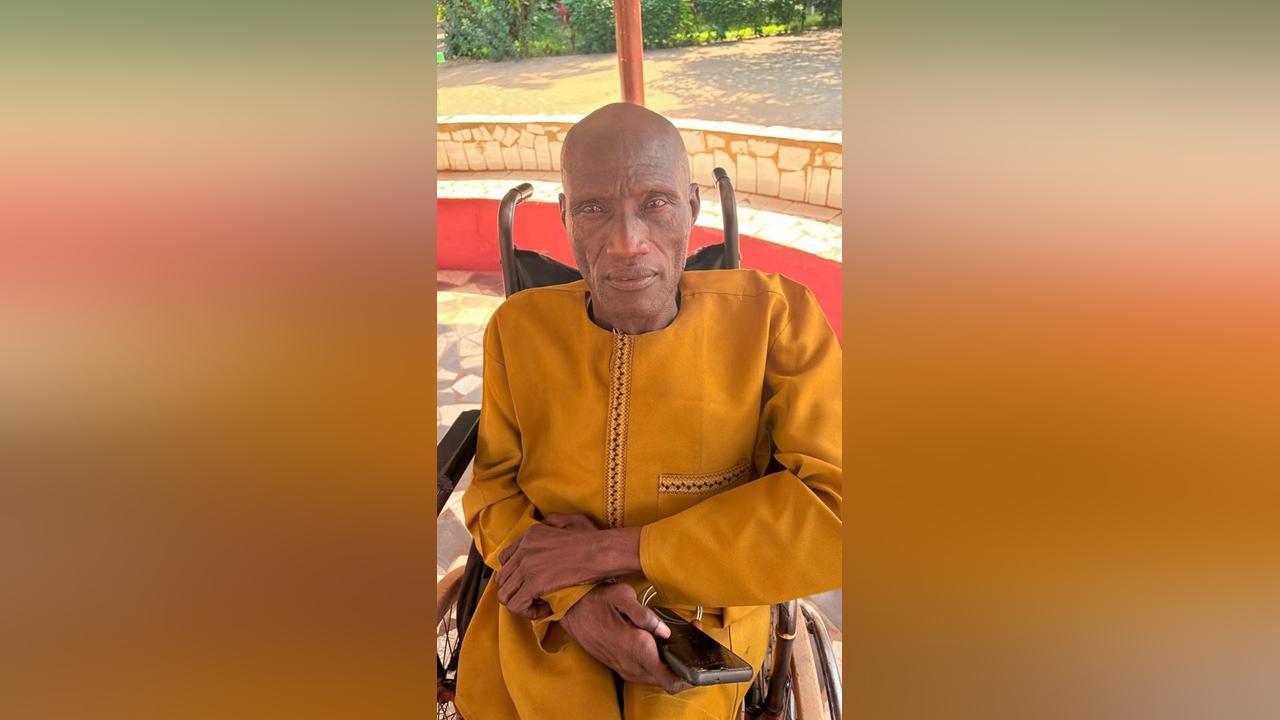
Africa-Press – Gambia. The Chairman of the National Organization for the Disabled and Orphans (NODO), Lamin Manneh, has expressed concern over the absence of persons with disabilities in The Gambia’s National Assembly.
He warns that the lack of political representation leaves a significant segment of the population without a voice in national decision-making process.
Speaking in an interview with The Voice newspaper, Manneh says while development initiatives targeting persons with disabilities are commendable, true empowerment must include representation at the highest levels of governance.
“We are talking about empowerment, but how can people with disabilities be empowered when they have no voice in Parliament?” he questioned.
Manneh noted that a considerable proportion of the Gambian population lives with some form of disability, yet none are directly represented in the legislature to advocate for their interests.
“That is a serious disappointment,” he added.
He commended development partners and stakeholders for supporting programmes aimed at improving access to education and assistive technologies for children with disabilities, describing such interventions as milestones that can promote independence and enable beneficiaries to contribute meaningfully to national development.
However, he stresses that the long-term success of such initiatives depends on strong government commitment and sustained funding.
Manneh also highlighted persistent social barriers, particularly negative attitudes at family and community levels, which he said continued to marginalize children with disabilities.
According to him, many children with disabilities are denied access to education and other opportunities, a situation that often leads to street begging and long-term dependency.
He called for increased public awareness to combat discrimination and promote inclusion.
“For years, people with disabilities have been neglected, yet they have the same abilities and potential as anyone else,” Manneh said. “With education and opportunity, they can work, lead and contribute to this country.”
He urged the government and relevant stakeholders to strengthen the implementation of disability-related laws, increase budgetary allocations, and ensure the inclusion of persons with disabilities in leadership and governance structures.
“Development is incomplete when an entire group of citizens is left behind,” he said. “Inclusion must be practical, not just promises.”