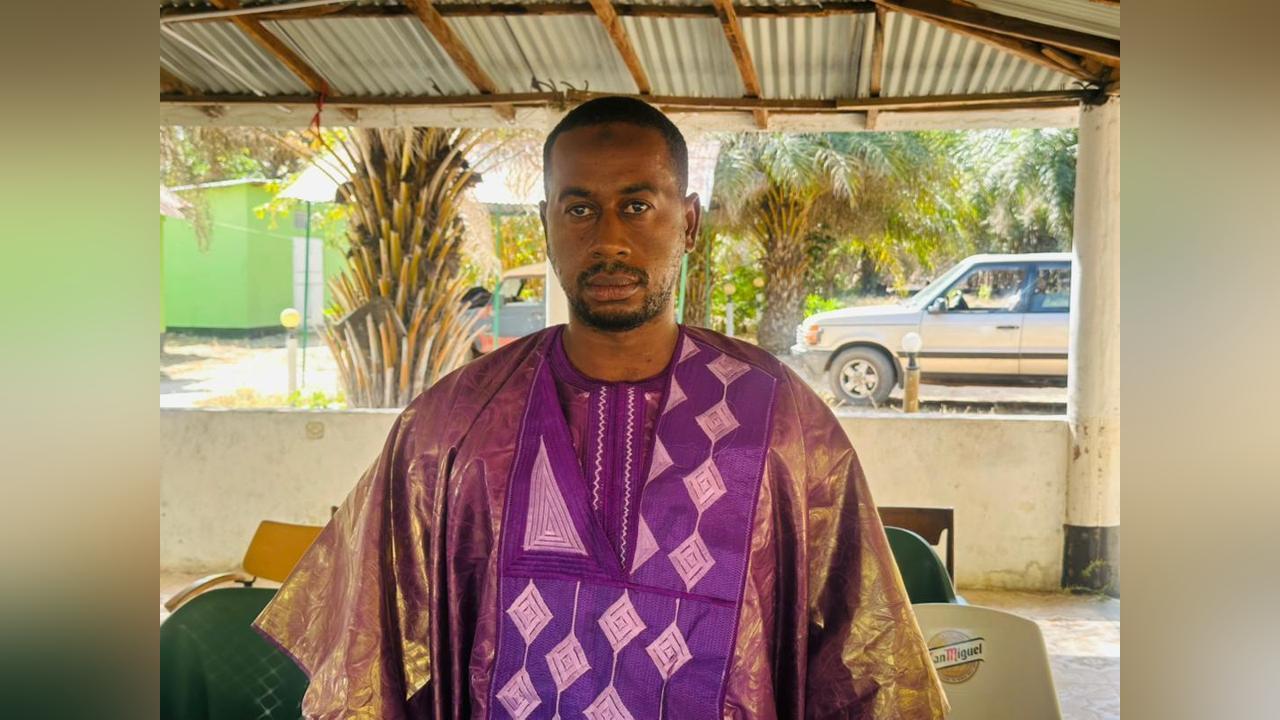
Africa-Press – Gambia. Salieu Jallow, a native of Tanji, has declared his intention to contest the 2026 presidential election as an independent candidate, outlining a reform agenda centred on fighting corruption, strengthening food production, and revitalising The Gambia’s economy.
In an interview with The Voice Newspaper, Jallow said The Gambia has significant untapped potential that, if properly harnessed, could greatly improve the living standards of its citizens. He described the country as fertile and capable of achieving food self-sufficiency through sustained investment in farmers and agricultural workers.
He criticised the country’s continued dependence on food imports despite its agricultural capacity, citing the importation of tomato paste worth about US$3.5 million annually. According to him, local production could meet domestic needs and even supply the regional and tourism markets.
Jallow also drew attention to The Gambia’s rich marine resources, arguing that inadequate support for local fishermen has prevented the modernisation of the fishing fleet. This situation, he said, has enabled foreign nationals to dominate the sector, while Gambians face rising fish prices.
“Anyone who has been to Tanji market knows the hardship vendors face in accessing fish. The prices are extremely high for locals and their families,” Jallow said. “It is also true that the government has awarded fishing contracts to foreign nationals, including the Chinese. As an aspirant, I will work to end contracts that do not benefit The Gambia.”
Turning to tourism, Jallow said the sector, once a major source of employment for young people, has declined under the current administration.
He further identified corruption as a major impediment to national development, claiming that billions of dalasis continue to be mismanaged.
“Our country needs quality jobs, and this can only be achieved through inward investment from manufacturers,” Jallow said.
“The Gambia has a large workforce that needs modern manufacturing skills. This government has not invested in developing those skills, and that must change.”
He added that the country has sufficient land to host factories and industrial hubs, arguing that joint-venture manufacturing projects could thrive in The Gambia due to its political stability.
“Why would manufacturers not want to establish production hubs in a stable country like The Gambia, creating jobs and driving economic growth?” he asked.
For More News And Analysis About Gambia Follow Africa-Press