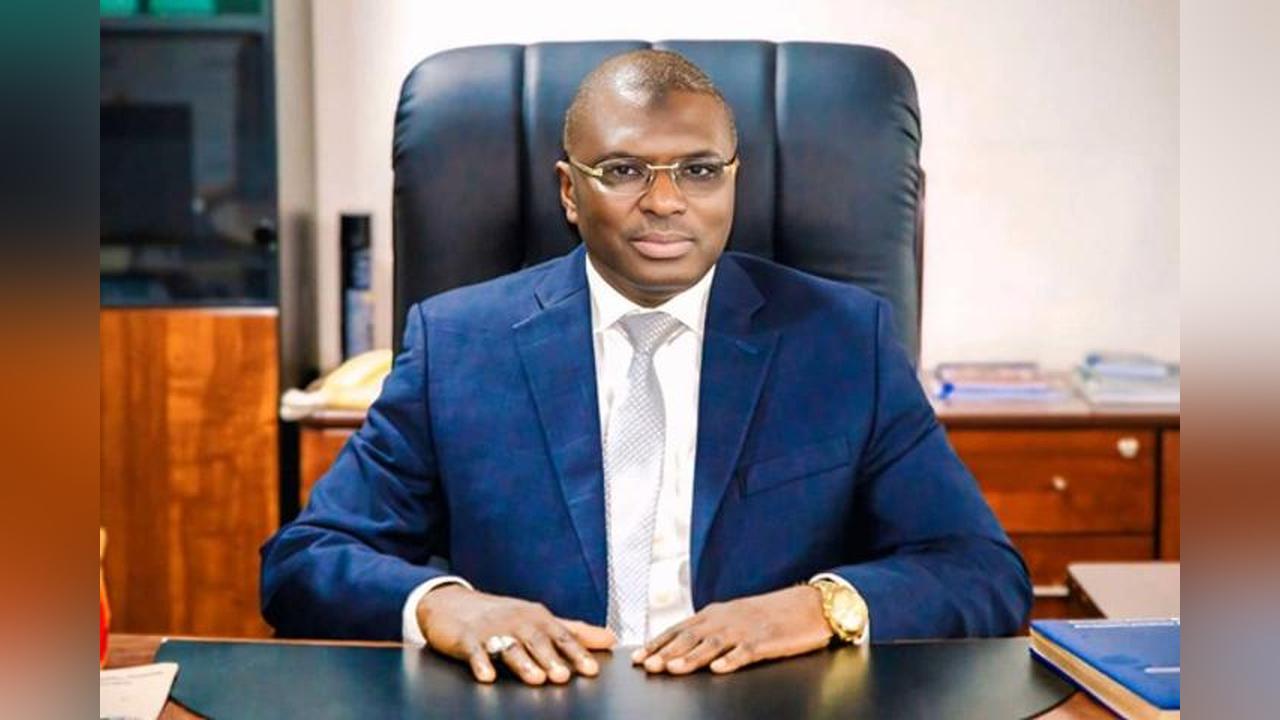
Africa-Press – Gambia. The Auditor General, Cherno Sowe, has warned that persistent underfunding of the health sector is severely weakening the country’s healthcare system and limiting its ability to deliver essential services and respond effectively to emergencies.
In his management letter accompanying the 2024 audited government accounts, Sowe highlighted significant budgetary shortfalls affecting key sectors including health, education and agriculture, noting that current allocations fall below international commitments undertaken by The Gambia.
According to the report, the health sector received D3.41 billion in 2024, representing 7.2 percent of the national budget. This allocation is considerably below the 15 percent target established under the 2001 Abuja Declaration, to which The Gambia is a signatory.
The Auditor General said continued underfunding weakens the health system’s capacity to provide essential care, contributes to preventable deaths, undermines public confidence and accelerates the migration of skilled medical professionals.
The education sector was allocated D5.76 billion, or 12.2 percent of the national budget, falling short of the 20 percent benchmark outlined in The Gambia’s Education Policy (2004–2015) and the UNESCO Dakar Framework for Action.
Similarly, agriculture received D1.66 billion, representing 3.5 percent of the budget, well below the 10 percent commitment under the 2003 Maputo Declaration.
“The health sector allocation of just 7.2 percent falls short of Abuja, Dakar and Maputo declaration targets,” Sowe stated in the report.
He warned that inadequate investment in education undermined teaching quality and skills development, potentially resulting in a poorly prepared workforce and slower economic growth.
In agriculture, the report noted that underinvestment contributed to persistent food insecurity, rural poverty and continued reliance on costly food imports.
The Auditor General recommended the establishment of a sustainable national health insurance scheme, enhanced domestic revenue mobilisation, strategic prioritisation of education spending, and increased investment in climate-smart agricultural practices.
In its response, management acknowledged the concerns raised but attributed the funding gaps to fiscal constraints and rising debt pressures.
However, Sowe cautioned that without decisive policy action, persistent funding shortfalls could undermine The Gambia’s long-term development objectives.