
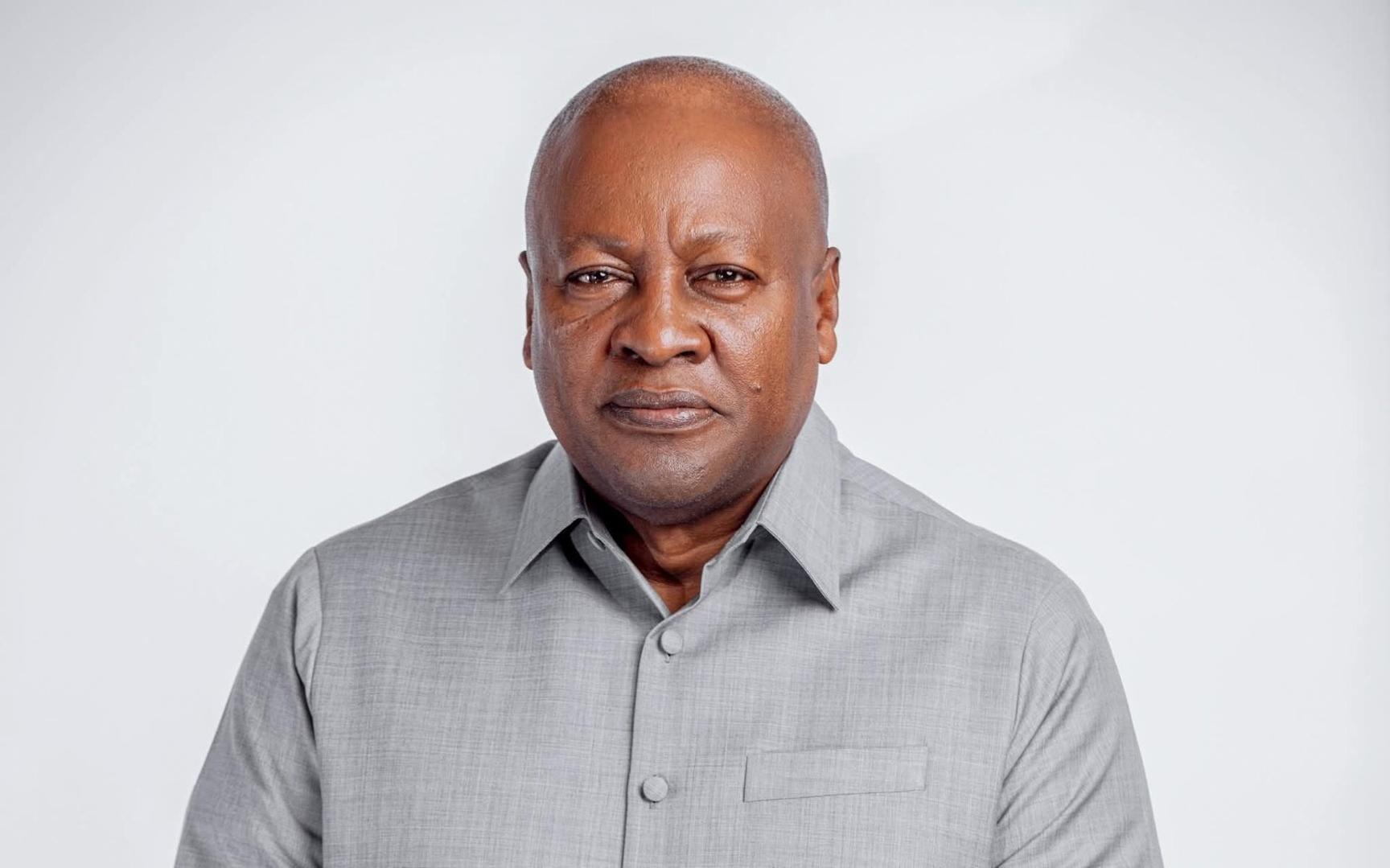
Africa-Press – Ghana. President John Dramani Mahama’s administration began an economic reset in 2025 amid high inflation and currency volatility, anchored on consultations, fiscal reforms and targeted social interventions.
The year was characterised by consultative policymaking, fiscal rebalancing, and the rollout of social and infrastructure programmes, which contributed to improved macroeconomic indicators, amid cautions over persistent external vulnerabilities.
President Mahama was sworn into office on January 7, 2025, inheriting an economy facing elevated inflation, currency pressures and growth driven largely by public spending, signalling the need for a shift towards sustainable, private-sector-led expansion.
By the end of 2024, inflation stood at 23.8 per cent, while the cedi traded at GHS14.7 to the US dollar, GHS15.2 to the euro and GHS18.3 to the British pound, underscoring the scale of the economic challenge.
A key pillar of the administration’s response was the National Economic Dialogue, chaired by Dr Ishmael Yamson, which brought together experts from industry and academia to shape policy priorities.
The dialogue produced recommendations centred on improved governance, restructuring inefficient state-owned enterprises, particularly COCOBOD, and promoting agro-processing and technological innovation.
The consultative approach was extended to the public sector through a Chief Executive Summit for state-owned enterprises, which aligned their operations with the Government’s “24-Hour Economy” policy aimed at boosting productivity in manufacturing and services.
In March 2025, Finance Minister Dr Cassiel Ato Forson presented a budget focused on fiscal reset, featuring the abolition of taxes including the betting tax, the electronic levy, and the emissions tax.
While the measures were intended to stimulate business and household confidence, the budget placed emphasis on revenue protection through expenditure rationalisation, tighter commitment controls and programme restructuring to restore fiscal discipline and meet IMF-supported targets.
The year also saw the implementation of key manifesto commitments, including the launch of the “Big Push” infrastructure programme with an allocation of GHS13.85 billion.
In education, the Government introduced a no-academic-fee policy for first-year tertiary students and provided free sanitary pads for schoolgirls, while agriculture initiatives such as “Feed Ghana” and “Nkoko Nkitinkiti” were rolled out to enhance food security.
Youth employment and skills development were targeted through programmes including Adwumawura and the National Coders Programme.
By late 2025, macroeconomic indicators had improved, with inflation declining from 23.5 per cent at the beginning of the year to 6.3 per cent by November.
The Bank of Ghana policy rate was reduced from 27 per cent in January to 15.66 per cent by year-end, easing borrowing costs and supporting business activity.
The cedi appreciated against major currencies, trading at GHS10.4 to the US dollar, GHS12.2 to the euro and GHS14 to the British pound, while gross international reserves rose from $8.9 billion at end-2024 to about $13 billion, supported by strong gold exports.
Economic growth remained stable, peaking at 7.2 per cent in the third quarter of 2025.
Despite the gains, international observers cautioned that Ghana remained exposed to external shocks, with the International Monetary Fund highlighting reliance on gold exports and warning that a sharp price decline could weaken foreign exchange earnings.
Fitch Ratings also pointed to risks from commodity price volatility, geopolitical tensions and spill-over effects from instability in the Sahel region.
President Mahama’s first year was marked by a shift in economic strategy, with attention now focused on whether the reforms can deliver a more diversified and resilient economy in the medium term.
For More News And Analysis About Ghana Follow Africa-Press