

Africa-Press – Ghana. Mrs. Ama Mensah, a vibrant mother of three, hesitates when approached by a local health worker offering the new Human Papilloma vaccine for girls aged nine years and above.
Despite months of radio jingles and community talks promoting vaccination, Aunty Ama voices her fears about potential side effects she’s heard from neighbours and on social media.
Her scepticism is not about the vaccine itself but rooted in decades of mistrust towards government programmes and a lack of clear, culturally relevant information that resonates with the conscious of the people for their buy-ins.
As Ama weighs her options, the community around her is divided—some eager to get vaccinated to protect their families, to them, vaccines are a lifesaving intervention by medical professionals while, others are paralyzed by doubt.
This scene captures the complex reality of vaccine hesitancy, where fear, misinformation, and social influences intertwine, challenging public health efforts across Ghana.
Vaccine Hesitancy and Confidence in Ghana
Vaccine hesitancy in Ghana is mainly driven by fear of adverse side effects, mistrust, and some spiritual beliefs and thus, confidence depends heavily on perceptions of vaccine safety and efficacy.
Surveys show that while vaccine confidence dipped during the COVID-19 pandemic, it is gradually improving, with about 69 percent of Ghanaians feeling vaccines are safe and effective.
Ghana’s Local Vaccine Production Drive
Ghana is actively working to become a pharmaceutical manufacturing hub in West Africa through partnerships with local manufacturers like Atlantic Lifesciences Ltd. and DEK Vaccines Ltd.
The country aims to produce vaccines such as tetanus-diphtheria vaccines locally.
This initiative is supported by international partners including GIZ and the European Union to boost local vaccine manufacturing capacity.
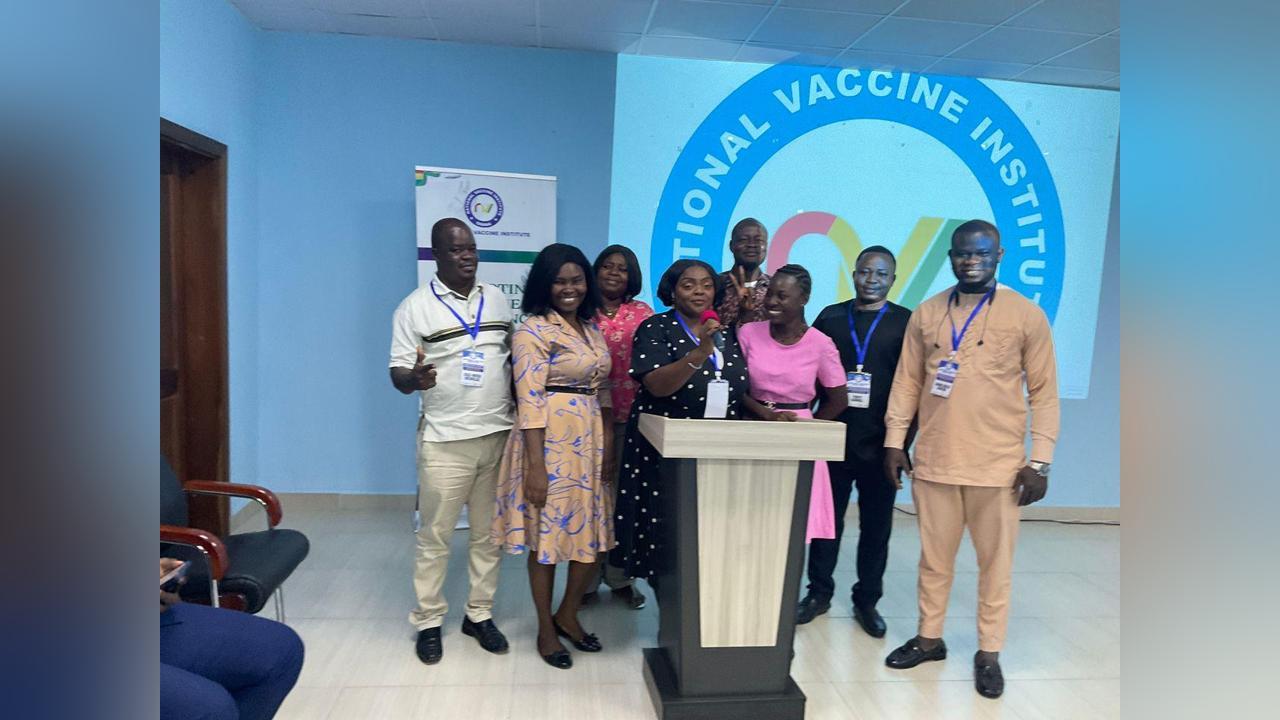
Dr. Sodzi Sodzi-Tettey, CEO of Ghana’s National Vaccine Institute (NVI), has advocated vaccine self-sufficiency in Ghana and Africa, emphasizing the continent’s vulnerability due to reliance on external vaccine supply chains.
He highlights that during the COVID-19 pandemic, wealthy countries prioritized their own needs, leaving Africa waiting, which underlines the need for Ghana to produce its own vaccines to ensure health security and pandemic preparedness.
Dr. Sodzi-Tettey also calls for stronger collaboration between science and communication to build trust and promote vaccine acceptance, describing vaccines as one of humanity’s greatest achievements for saving lives and societal progress.
The National Vaccine Institute
Established by an act of parliament in 2023, act 1097, the Institute will coordinate and supervise research, development and manufacturing of vaccines, sera and other related fields in Ghana.
Government commitment
Aside the proposed AFREXIMBANK closing the funding gap with 113-million-dollar proposal, President John Dramani Mahama has committed some 50 million dollars as seed money to see the Institute thrive.
The President has also stressed the need to prioritize local vaccines and other pharmaceutical products to enable the country survive any future medical crisis.
Country Preparedness
Six institutions across the country are receiving up to date laboratory equipment in this regard to promote research development in vaccines quality and efficacy.
The Vaccine Institute is working on launching a bio manufacturing consortium for effective training, formalize partnership while, strengthen the Institute with critical researchers to help in realisation of the vision.
Role of Regulators
The Food and Drugs Authority (FDA) in Ghana plays a critical role in maintaining vaccine safety and quality, Pharm Patrick Owusu-Danso, acting Director, CLSR of the FDA said.
He said, the FDA runs a stringent regulatory process aligned with WHO standards, including testing, clinical review, and post-market surveillance.
The FDA also oversees the compliance of local manufacturers and has been recognized by WHO as a mature regulatory authority.
This robust regulatory environment ensures public confidence in vaccines produced and used in Ghana.
Public Health and Media Role
Public health officials emphasize vaccination as crucial for safeguarding health and urge the media to engage actively in advocacy to improve vaccine acceptance by shaping public perceptions and combating misinformation.
The media has been charged to lead campaigns that educate and influence positive vaccine attitudes among the population.
Dr. Charity Binka, Executive Director of the African Media and Malaria Research Network (AMMREN), stresses the critical role of media in vaccine communication and building public trust.
She, says vaccines are among the most effective public health interventions and urge against misinformation and mistrust as major threats to vaccine confidence in Ghana and globally.
Dr. Binka advocates strengthening media capacity to translate scientific data into human stories, hold leaders accountable, and dispel myths about vaccines.
Community Preparedness and Acceptance
Effective vaccine uptake in Ghana’s vaccination campaigns results will happen from coordinated national efforts, including community engagement by trained volunteers who educate and persuade people on vaccination benefits.
This grassroots mobilization helps overcome fear and misinformation, increasing acceptance especially in hard-to-reach areas.
Source: Ghana News Agency
For More News And Analysis About Ghana Follow Africa-Press