
What You Need to Know
Kenya’s banking sector leads the latest Brand Finance rankings, with Equity Bank valued at Sh73.9 billion, followed by KCB at Sh59.7 billion. The report highlights the banks’ financial strength and digital transformation efforts, contributing significantly to the country’s economy. Other notable brands include Safaricom and Kenya Power.
Africa-Press – Kenya. Kenya’s banking sector dominates the top list of the country’s most valuable brands amid growing influence of digital transformation, financial strength and cultural relevance across sectors.
The latest Brand Finance Kenya rankings, by Brand Finance, world’s leading brand valuation consultancy firm, shows the banking sector dominates, contributing 56 per cent of the top 25’s collective brand value at Sh196 billion, with six banks in the top 10.
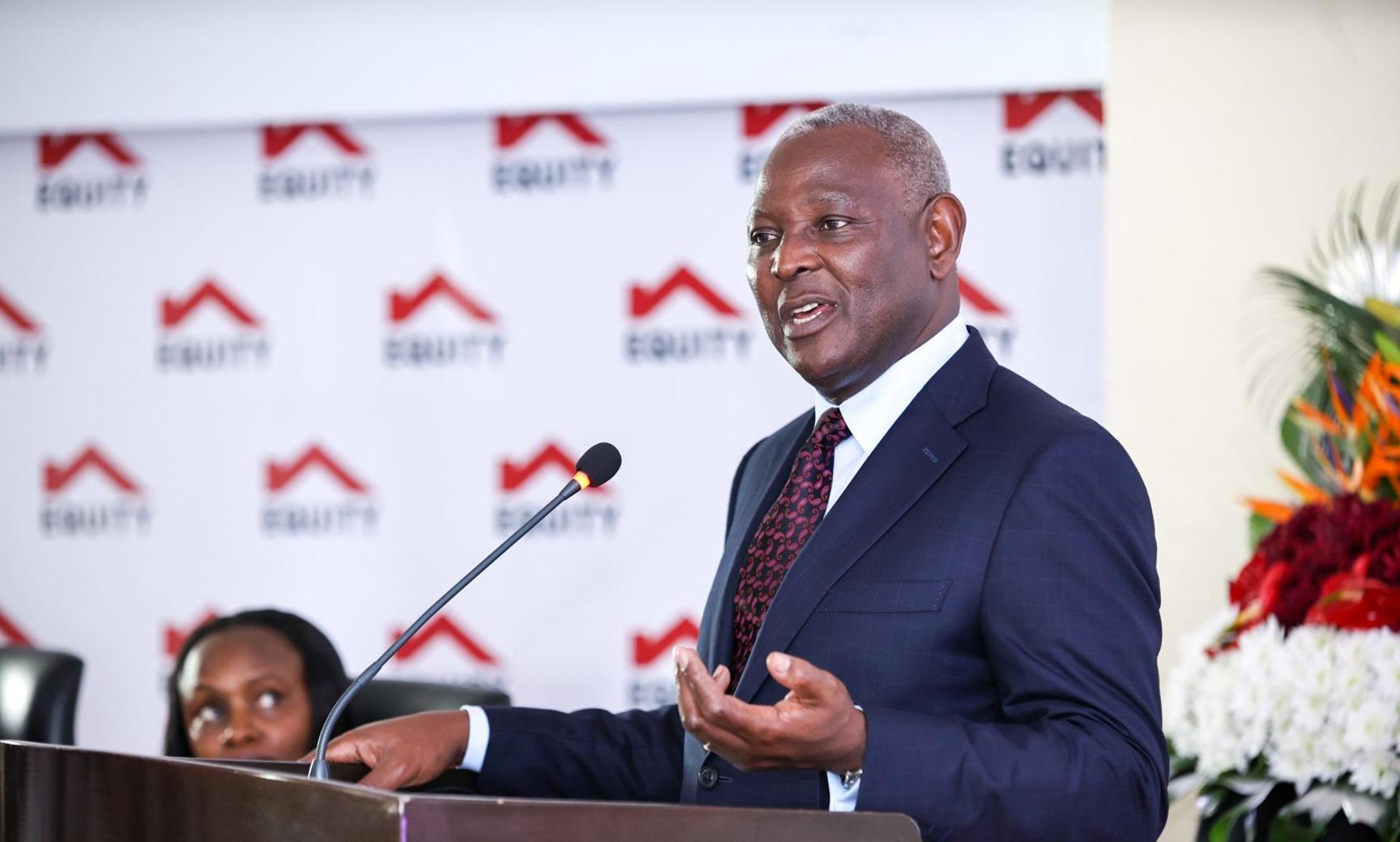
Equity Bank, with a four per cent jump in its brand value to Sh73.9 billion remains the country’s most valuable brand for the third year in a row.
The banking brand’s noteworthy performance is anchored in its solid financial results, driven by strong growth in non-funded income, sustained cost discipline, and a growing asset base amounting to almost Sh2 trillion.
Kenya Commercial Bank (brand value up nine per cent to Sh59.7 billion) has climbed one spot in the ranking to second place this year.
“This achievement can be largely attributed to a remarkable profit after tax during the 2024 financial year that amounted to Sh55.9 billion, the largest in Kenya’s banking history,” the report reads in part.
The brand’s assets have also crossed the Sh2 trillion mark, making it the largest bank in East and Central Africa in terms of asset base.
Co-Operative Bank of Kenya (brand value up four per cent to Sh26.9 billion) maintains its position as the fifth most valuable brand in the overall ranking and third within Kenya’s banking sector.
The brand records steady growth from a solid financial performance driven by strong interest income, improved cost efficiencies, and a steady asset growth amounting to Sh725 billion.
The bank’s brand strategy remains rooted in its cooperative heritage, serving Savings and Credit Cooperative Organisations (SACCOs), cooperative societies, and the broader Small and Medium Enterprises (SME), and agricultural lending segments.
“The bank’s MCo-op Cash mobile banking platform has also been critical to its digital transformation approach, despite facing intensifying competition within the industry,” Brand Finance notes in its report.
Co-op Bank’s consistent dividend payouts have reinforced its standing among investors, with brand value rising on bullish NSE performance. Last week, the lender’s share price hit above Sh30.
NCBA (brand value down four per cent to Sh19.7 billion) remains in sixth place and solidifies its position as a significant player among Kenya’s leading banking brands despite a slight drop in brand value.
The brand is weighed down by the persistent 2019 post-merger integration challenges, fragmented consumer perceptions, and underperforming retail visibility.
In January 2026, Nedbank submitted an offer to acquire 66 per cent of NCBA’s share, amounting to Sh109.4 billion.
Meanwhile, Safaricom (brand value down four per cent to Sh55.7 billion) has slipped one position in the ranking to third place overall this year.
The telecoms brand faced headwinds as regulatory scrutiny around mobile money dominance and the delayed rollout of commercial 5G services tempered the brand’s innovation narrative.
Safaricom also faced challenges impacting its Ethiopian venture, which reported operating losses as the market entry proved to be more capital-intensive than initial projections.
However, the core Kenyan business remains resilient and maintains its overall standing within the country, delivering a nine per cent service revenue growth as it focused on transitioning from a telco to a technology brand through initiatives in health-tech (M-Tiba), agriculture (DigiFarm), and cloud services.
M-Pesa (brand value up 10 per cent to Sh33.8 billion) has also remained strong with the brand’s transition from a peer-to-peer money transfer service, to a comprehensive financial services platform, seeing it get a standout brand achievement within the country’s financial sector.
During the 2025 financial year, the platform processed over Sh41 trillion in transactions, with around 40 million active users in Kenya alone.
Kenya Power (brand value at Sh16.7 billion) represents Kenya’s utility sector as the only brand from the industry to be featured in the top 10, maintaining its seventh place in the rankings.
The brand has experienced a turnaround after enduring several challenges over the past few years such as system losses and lower revenue collections.
“The utility brand’s turnaround is attributable to investments in smart meters, digital billing platforms, and faster outage response, all of which are helping to improve consumer sentiment,” the survey indicates.
CIC Insurance Group (brand value up 28 per cent to Sh3.3 billion) recorded noteworthy brand value growth over the past year and ranks as the 14th most valuable brand.
Its performance reflects a shift in the country’s spending culture with a growing number of people buying insurance, resulting in revenue growth across its major product lines, including medical, non-medical, and life insurance.
“This performance was further supported by geographical expansion, with contributions coming from operations in Kenya, Uganda, Malawi, and South Sudan.”
Other top brands are Tusker (brand value up 16 per cent to Sh11.1 billion, I&M (brand value up 148 per cent to Sh8.9 billion), Diamond Trust Bank (brand value up 21 per cent to ShS6.2 billion) and Britam (brand value of Sh5.4 billion).
The Brand Finance rankings reflect the growing influence of digital transformation in Kenya’s banking sector. Over the years, banks like Equity and KCB have adapted to changing market dynamics, focusing on technology and customer service to enhance their brand value. The rise of mobile banking and financial services has played a crucial role in their success, allowing them to reach a broader audience and improve financial inclusion.
Historically, Kenya’s banking sector has faced various challenges, including regulatory changes and economic fluctuations. However, the resilience of these institutions, coupled with strategic investments in technology, has enabled them to thrive. The emphasis,