What You Need to Know
The EU Ambassador to Lesotho, Ms. Mette Sunnergren, emphasized the need for collective efforts to protect water resources at a recent event in Mokhotlong. She highlighted the significance of the ReNoka initiative in restoring land and water resources within the Orange-Senqu River Basin, benefiting millions across multiple countries. The event also marked World Water Day, urging community action in
Africa-Press – Lesotho. Water is not just a finite resource, but it requires joint efforts to protect, preserve and then pass it on to benefit communities across countries.
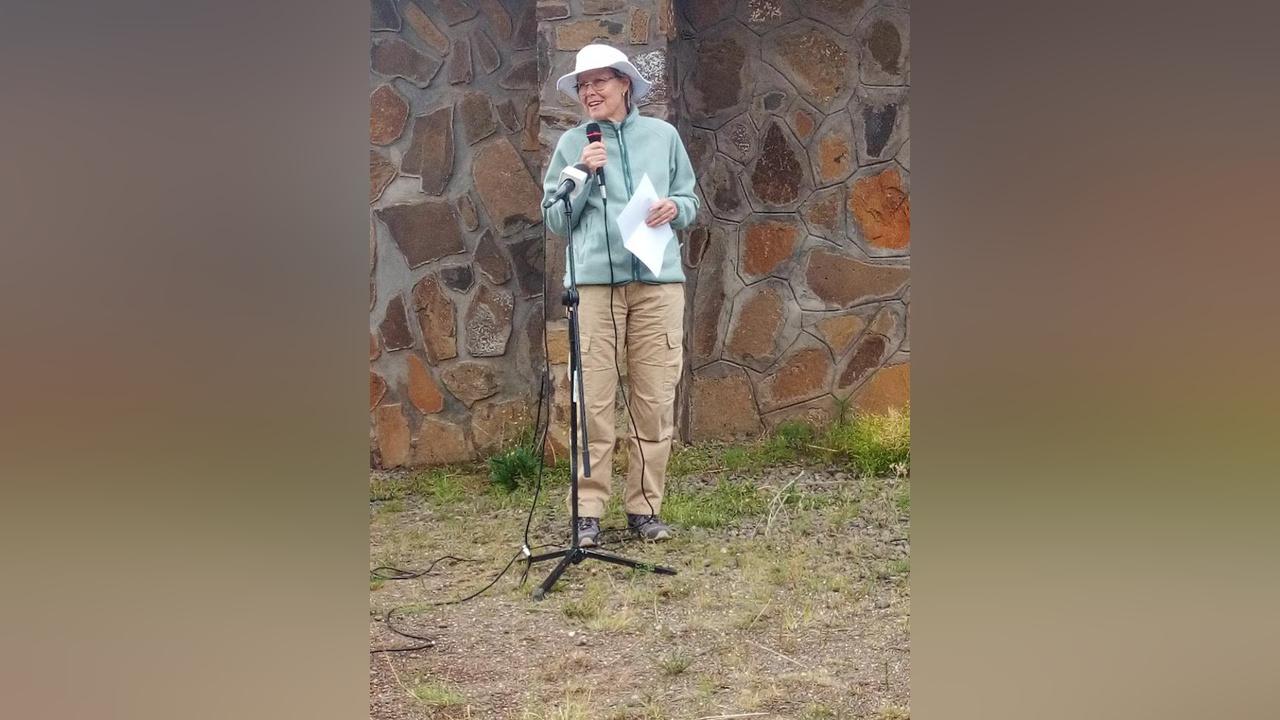
The European Union Ambassador to Lesotho, Ms. Mette Sunnergren said this when speaking at an event held at Khubelu Sub Catchment in Mokhotlong on Monday to mark the launch of the Mobile Exhibition and Source-to-Mouth campaign by ReNoka ‘We are a River’.
ReNoka is a Lesotho national programme and citizen movement dedicated to protecting and restoring land and water resources within the Orange-Senqu River Basin supported by Lesotho government and international partners including the European Union and the German government.
Ms. Sunnergren said the EU appreciated the efforts done by Renoka to ensure that land and water resources are restored as they are the lifeline to sustain the Orange Senqu river basin which benefits up to 19 million people across four countries that include Lesotho, South Africa, Botswana and Namibia.
She said the same water which has its source in the highlands of Lesotho powers industry, irrigates farms, sustains tourism and also is used in various ways within households downstream, adding that there is need for everyone to take responsibility for care.
She appreciated the support for the ReNoka initiative by the Embassy of the Federal Republic of Germany, EU and Lesotho government saying the partnership of almost 50 years has had considerable impact in the lives of Basotho through building infrastructure, institutions and supporting the country during times of disaster.
The Ambassador concluded that as the Phase 1 of the ReNoka support was being concluded, they are aware that more action is still required and therefore announced at the event that the second phase will be announced soon to strengthen sustainability efforts through re-fencing financial architecture of ICM as well as to enhance coordination and data exchange among partners.
Speaking at the same event was the Integrated Catchment Management (ICM) National Coordinator, Mr. Makomoreng Fanana said today’s event was to reflect on ICM interventions implemented to ensure land and water resources are restored at the Khubelu Catchment.
He said it was also to mark the World Water Day and urged all to participate in activities aimed towards protection and restoration of natural resources for sustainable generation of water for Lesotho rivers.
Mr. Fanana commended the communities around the Catchment for the good work they did to protect the land and water resources.
The Chief of Pae-la-Itlhatsoa Chieftainess ‘Mamasiphola Sekonyela thanked ICM for implementing soil conservation activities at the Khubelu Sub Catchment to ensure continuous generation of water from sources around the area.
A representative of the community Mr. Lentsoete Mohai promised that they will continue to protect the environment for water generation and improve biodiversity.
At the same event ReNoka mobile exhibition was also launched to raise awareness of the public on the importance of protecting natural resources such as land and soil.
ICM has been implementing ICM activities as a national response focusing on sustainable catchment management, climate resilience, and community-driven restoration since the year 2020.
Water management in Lesotho has been a critical issue due to its geographical location and the reliance of neighboring countries on its water resources. The Orange-Senqu River Basin is vital for agriculture, industry, and domestic use in Lesotho and downstream countries like South Africa, Botswana, and Namibia. Initiatives like ReNoka aim to foster sustainable practices and community involvement in water conservation efforts, reflecting a growing recognition of the importance of collaborative resource management.