Africa-Press – Liberia. In a passionate and forward-looking address on the international stage, Liberia is calling on African nations to rethink their path to development, moving away from long-standing dependence on foreign aid and toward a future built on self-reliance, strong partnerships, and industrial growth.
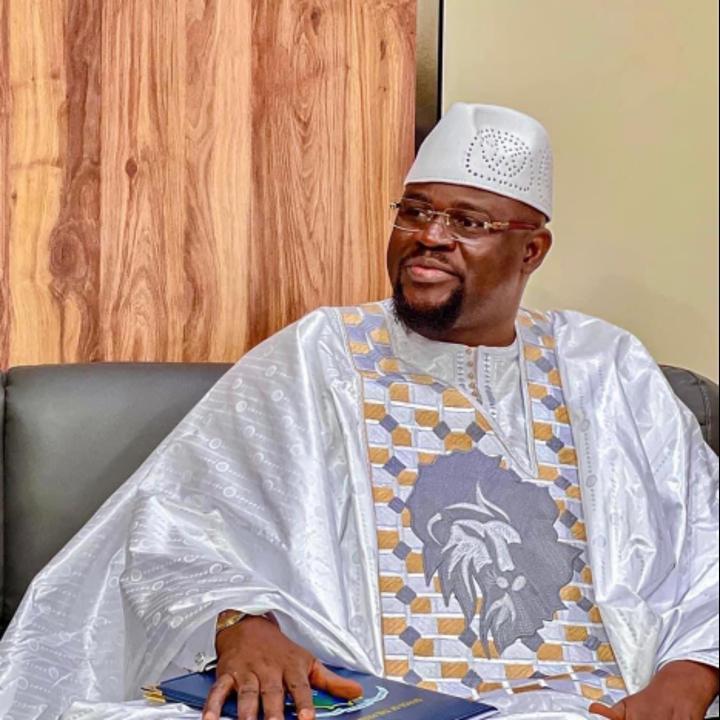
Speaking at a high level international forum hosted by the Leaders Without Borders Development Centre, Liberia’s Ambassador at Large for Special Duties and Special Presidential Envoy, Sheikh Al-Moustapha Kouyateh, delivered a message that struck both urgency and hope.
Standing before an audience of global policymakers, investors, and development stakeholders, Kouyateh made it clear that the old model, where African economies lean heavily on aid, is no longer sustainable.
“Africa’s future cannot be built on aid alone,” he said firmly. “We must move toward partnerships that empower our industries, create jobs for our people, and ensure that the wealth we generate stays within our economies.”
His remarks reflected a growing sentiment across the continent: that Africa must take greater ownership of its development story. Rather than relying on external assistance, Kouyateh emphasized innovation, local capacity, and fair global engagement as the building blocks of long term progress.
He also pointed to Liberia’s expanding voice on the world stage, particularly its role as a non-permanent member of the United Nations Security Council. According to him, the country is using that platform to advocate not just for itself, but for peace, stability, and Africa’s broader interests.
At the heart of his message was a strong push for industrialization. Kouyateh warned that Africa’s continued reliance on exporting raw materials, while importing finished goods, has kept its economies from reaching their full potential.
“Industrialization is not optional; it is essential,” he stressed. “Without it, we cannot achieve true economic independence or compete globally.”
Bringing the message closer to home, Kouyateh spoke about Liberia’s own development strategy, known as the ARREST Agenda. The plan focuses on critical sectors such as agriculture, infrastructure, education, energy, sanitation, and tourism, areas which he described as vital to improving everyday life for Liberians.
But beyond policies and plans, the ambassador highlighted the importance of people. Sustainable development, he said, must involve citizens at every level, from shaping policies to benefiting from economic opportunities. He underscored the need to invest in education, particularly science and technology, to prepare the next generation for a rapidly changing world.
Kouyateh also called for a rethink of how African countries negotiate economic deals. Too often, he suggested, such agreements fail to benefit local populations. Instead, he advocated for partnerships that promote fairness, technology transfer, and the growth of local industries.
“Africa must take ownership of its resources,” he said. “Our partnerships must reflect mutual benefit and long term prosperity, not short term gains.”
His message extended to governance as well. He urged African leaders to prioritize transparency, accountability, and regional cooperation, noting that unity remains one of the continent’s greatest strengths. “Our strength lies in unity, resilience, and responsible leadership,” he added.
As he concluded, Kouyateh’s tone turned both reflective and inspirational, calling on the continent to rise with confidence and determination.
“Africa must rise, not through dependence, but through determination, partnership, and self-belief,” he said.
He reaffirmed Liberia’s historic role as Africa’s first independent republic and echoed the vision of President Joseph Nyuma Boakai Sr., a vision rooted in unity, integrity, and shared progress for all Africans. For many in the room, the message was clear: the future of Africa will not be handed to it; it will be built from within.
For More News And Analysis About Liberia Follow Africa-Press