Africa-Press – Mauritius. Mauritius cannot afford to lag behind in regional and international maritime performance and must establish the necessary infrastructure, adopt modern technologies, and implement effective policies to fully realise its blue economy potential.
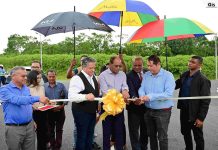
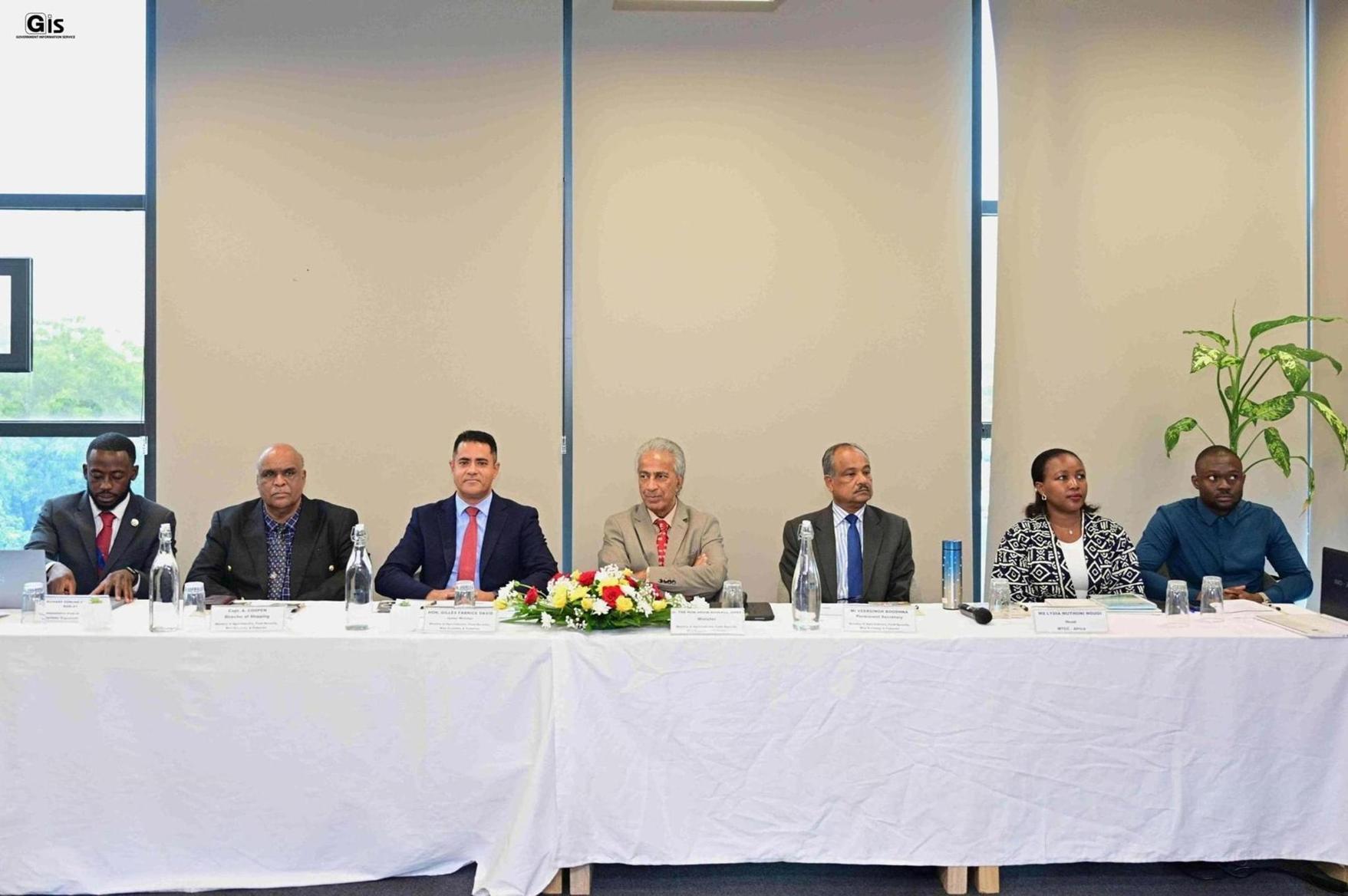
This was the key message delivered by the Minister of Agro-Industry, Food Security, Blue Economy and Fisheries, Dr Arvin Boolell, at the opening of the three-day National Technology Demonstration and Training Workshop under the Transfer of Environmentally Sound Technologies Biofouling Project, held this morning at The Docks in Port Louis.
Organised by the Ministry in collaboration with the International Maritime Organisation (IMO), the workshop focuses on the adoption of environmentally sound technologies to tackle biofouling and other marine challenges. The opening ceremony was also attended by the Junior Minister, Mr Gilles Fabrice David; representatives of the IMO; and various stakeholders from the public and private sectors.
In his address, Dr Boolell recalled that more than 35,000 ships transit the Western Indian Ocean annually, yet Mauritius currently lacks the facilities to fully capitalise on these maritime flows. He reiterated the Government’s commitment to strengthening port performance and maritime capacity, stressing that the country must achieve tangible results through regional coordination and the effective utilisation of available expertise.
Minister Boolell further highlighted the need for a coherent and well-structured strategy for environmental protection as an integral part of blue economy development. He drew attention to the harmful effects of land-based pollution, effluent runoff, overfishing and microplastics on lagoons and marine ecosystems. Addressing these challenges requires proactive prevention through the adoption of environmentally sound technologies and sustainable practices, he added.
Dr Boolell also urged participants to leverage on the expertise and technologies shared during the workshop to ensure clear policy guidance and the practical implementation of sustainable maritime initiatives. A preventive approach and proper planning are key factors to maintaining Mauritius’ competitiveness in the blue economy while safeguarding its marine resources, he added.
For his part, Junior Minister David described the ocean as Mauritius’s economic lifeline and a cornerstone of national resilience, while recalling that the blue economy is crucial to the country’s development vision. He noted that shipping and port services form an important pillar, and highlighted that Mauritius is developing high-value services, such as vessel inspection and hull cleaning to manage biofouling. Given the economic and ecological risks posed by biofouling, he underlined the need for innovation, regulatory compliance, and strategic planning within the maritime sector.
The Junior Minister also observed that Mauritius must transition from being merely a user of technology to becoming a producer of innovative solutions, thereby creating opportunities for local start-ups to innovate and retain intellectual property. This approach would enable the country to scale pilot projects into export-ready solutions, positioning Mauritius not only as a maritime services hub but also as an emerging marine technology innovator with international visibility, he said.