What You Need to Know
The Mozambican government has introduced new benefits for former presidents, including annual leave, pensions, and vehicles, aimed at ensuring their dignity after leaving office. This regulation, effective since March, has sparked public debate but is defended by officials as necessary for leaders who have served the nation.
Africa-Press – Mozambique. The Mozambican government said on Tuesday that the recent definition of benefits for former heads of state, which has sparked criticism in society, aims to ensure “dignity” and “appropriate conditions” for the exercise of their roles after leaving office.
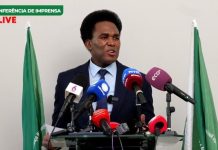
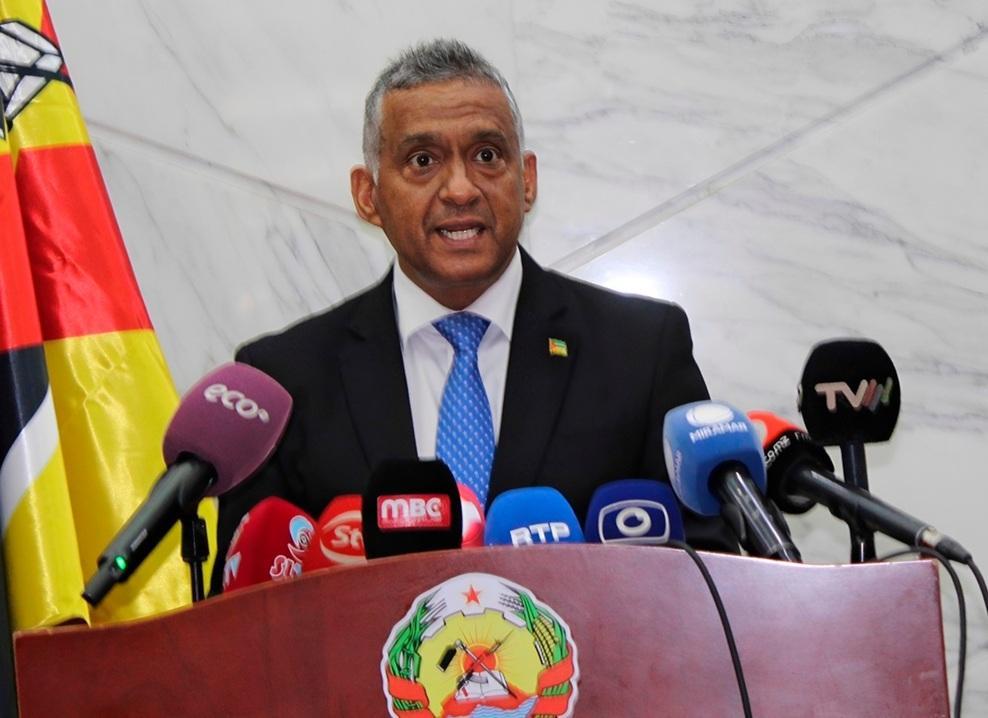
“What the Mozambican state has done is to establish and regulate the benefits it believes are deserved by leaders who have left office and must maintain dignity, because they were presidents who led the country and played an important role,” government spokesperson Salim Valá said in response to journalists’ questions after the weekly Council of Ministers meeting in Maputo.
Former presidents of Mozambique are now entitled, each, to 30 days of annual leave paid by the state, an office, a pension, a salary and eight vehicles, among other benefits, as determined by the government.
At issue is a Council of Ministers decree, reported this week by Lusa and which entered into force on 27 March, regulating what had until now been common practice regarding the “duties and rights of the President of the Republic after leaving office”, based on provisions in the Constitution.
Mozambique currently has three former presidents: Joaquim Chissano, who served from 1986 to 2005, Armando Guebuza, from 2005 to 2015, and Filipe Nyusi, from 2015 to 2025.
“There are rights and benefits enshrined for these leaders, and what has been done is to regulate them. We believe this discussion is being followed closely, but all Mozambicans want their leaders — current and former — to have dignity and operate under appropriate conditions,” Valá said, noting that these rights are established by law.
The regulation, which came into force at the end of March, provides that former presidents must, among other duties, “observe the high principles contained in the Constitution and other legislation”, “contribute to strengthening citizenship”, as well as “promote” Mozambique domestically and internationally through diplomacy and advocacy, and “participate in consultative bodies of the President of the Republic to which they have been appointed or invited”.
Former presidents are entitled to an office, “special protection and security” provided by the military household, a survivor’s pension, an “exceptional” salary, a housing allowance, transport, medical and pharmaceutical assistance, travel, and “technical and support staff”, all funded by the state.
The regulation also provides that the spouse and surviving heirs of former presidents are entitled to a survivor’s pension equivalent to 100% of the updated salary or pension.
“The President of the Republic after leaving office resides in a private residence,” the regulation states, adding that they are also entitled to a maintenance and furnishing allowance for their home, granted once every three years and set in the State Budget.
They are also entitled to transport, including two official vehicles, two escort vehicles, one service vehicle assigned to the residence, two vehicles for personal use by the spouse and dependent children, and one vehicle assigned to the office, all new and replaced every five years.
“The state covers the costs of medical and pharmaceutical care for the former President of the Republic, their spouse, dependent children and dependent ascendants,” the regulation states, adding that the state must also ensure health insurance coverage.
In addition, former presidents are entitled to “an annual 30-day holiday trip, with first-class air tickets”, and may be accompanied by their spouse and dependent children.
Mozambique has had a complex political history since gaining independence in 1975, marked by civil conflict and significant political transitions. The role of former presidents has evolved, with increasing recognition of their contributions and the need for dignified post-office support, reflecting broader trends in governance and public service in the region. The recent decree regulating benefits for former leaders aligns with constitutional provisions and aims to establish a framework for their ongoing roles in society.