What You Need to Know
Venâncio Mondlane, a Mozambican politician, criticized the government’s recent full repayment of €630 million to the IMF, arguing it should not be celebrated. He expressed concerns over the lack of parliamentary debate on the matter and emphasized the need to prioritize domestic debts over low-interest IMF loans, highlighting the risks of hidden debts.
Africa-Press – Mozambique. Mozambican politician Venâncio Mondlane said on Tuesday that the government’s recent full repayment of Mozambique’s debt to the International Monetary Fund (IMF) is not a reason to “sound the trumpets”, criticising parliament’s silence for failing to debate the matter.
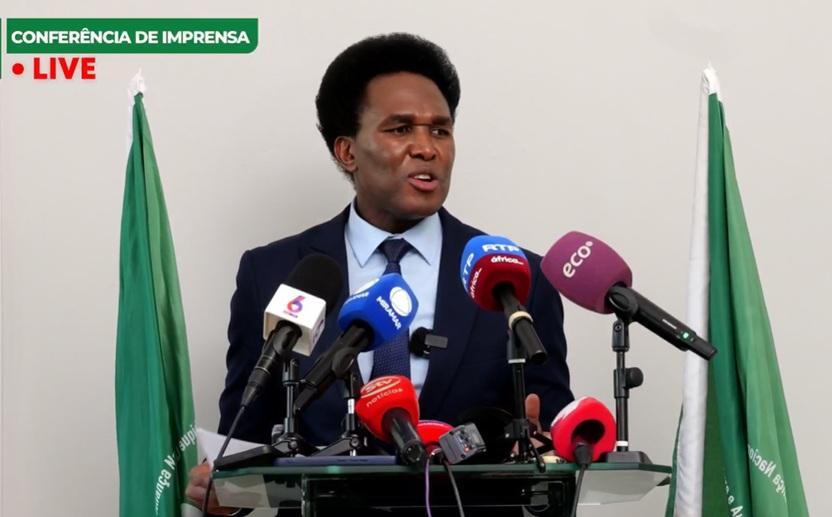
“It is not that positive, not something to celebrate; on the contrary, we should begin to worry about the effects, because there is a hidden debt here and only later will we understand its seriousness,” Mondlane said at a press conference in Maputo.
Mozambique’s Ministry of Finance confirmed last week that it had made an “integral and early repayment” of €630 million to the IMF, settling loans contracted under the Poverty Reduction and Growth Trust (PRGT).
On Tuesday, Mondlane questioned whether the payment had been communicated in advance to the Mozambican parliament — the government had previously said it used international reserves — noting that such an amount alters fiscal scenarios and macroeconomic indicators set out in the State Budget, affecting the fiscal balance.
“Was the Assembly of the Republic aware of this? Did it assess it? I am surprised that it is not generating any reaction. I believe this should have prompted a request for an extraordinary session on an urgent matter, in accordance with parliamentary rules, precisely to debate the IMF debt issue,” said the former presidential candidate.
For Mondlane, it was not “urgent” to fully repay the IMF debt, as it carries one of the lowest interest rates, arguing instead that Mozambique should prioritise reducing higher-cost bilateral debts.
“We are always talking about external debt, but the worst debt the government has is domestic debt — what it owes to companies is enormous, including VAT refunds, payments to suppliers and national companies, and to banks, which have already reached their limits with treasury bills and bonds,” he added.
According to the politician, this would have been the right moment for the government to reduce its debt exposure to banks, allowing these institutions to expand financing for youth entrepreneurship projects.
Mozambican President Daniel Chapo described on 9 April the decision to fully and early repay the €630 million IMF debt as “courageous”, saying it demonstrates Mozambique’s “responsibility”, using the country’s international reserves.
“We will continue to adopt measures that stimulate domestic production and attract more investment, by strengthening a more favourable business environment and an increasingly competitive economy,” Chapo added, reiterating openness to a new IMF support programme, under negotiation since 2025.
Mozambican business leaders believe that the full repayment of the country’s IMF debt strengthens confidence among external partners and creates conditions for deeper economic and financial cooperation, but warn that macroeconomic stability must be accompanied by “consistent internal measures that promote inclusive and sustainable growth”.
Mozambique has faced significant economic challenges in recent years, including a hidden debt crisis that emerged in 2016. The government’s decision to repay IMF loans early has sparked debate about fiscal responsibility and the prioritization of domestic versus external debts. Critics argue that while repaying the IMF may boost international confidence, it could also strain local resources needed for development projects and economic stability. The ongoing negotiations for a new IMF support program reflect the complexities of Mozambique’s financial landscape.