What You Need to Know
Mozambican Health Minister Ussene Isse has raised alarms about the increasing prevalence of chronic diseases in the country, attributing this trend to factors like obesity and high blood pressure. He emphasized the need for public awareness and regular health screenings to combat these ‘silent diseases’, which now account for a significant portion of health service demand.
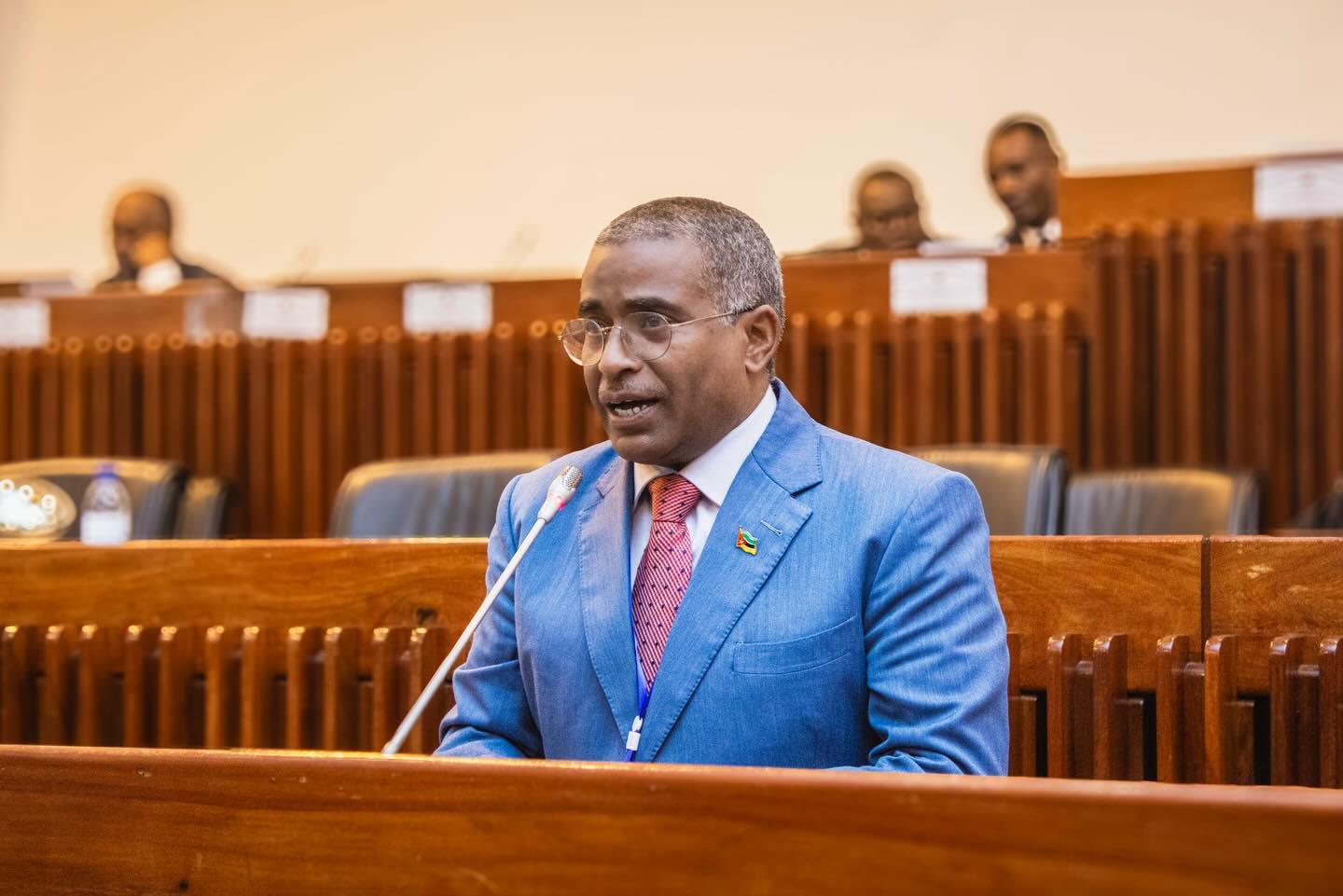
Africa-Press – Mozambique. Mozambican Health Minister Ussene Isse warned on Wednesday of the “silent tragedy” posed by the rise of chronic, but non-infectious diseases.
Speaking in the Mozambican parliament, the Assembly of the Republic, Isse stressed that behind the rise in chronic disease lay such risk factors as obesity and high blood pressure. He said the number of overweight Mozambicans had risen from 21.2 per cent of the adult population in 2005 to 35.5 per cent in 2024.
“What we are witnessing is an increase in avoidable risk factors, and I stress avoidable”, he said. Lack of physical activity, inappropriate dietary habits, and the consumption of tobacco and of alcohol were worsening the situation.
Isse added that the public is largely unaware of such “silent diseases” as diabetes and high blood pressure, with the result that many people suffering from chronic diseases do not even know that they are ill, which makes early diagnosis difficult and increases the risk of serious complications”.
He urged members of the public to undergo regular screening for chronic diseases.
The epidemiological profile of the country is changing, said the Minister. The percentage of people suffering from infectious diseases is declining, but those suffering from trauma and non-infectious chronic illness is on the rise, and now accounts for about 60 per cent of the demand for health services.
He pointed out that the mortality rate from chronic illnesses has risen from eight per cent in 2007 to 37 per cent in 2024.
Isse also argued that the treatment of diabetes or of high blood pressure is significantly more expensive than the treatment of such common diseases as malaria “which could increase the pressure on the budget of the health sector”.
He called for a “paradigm shift”, in which more resources of the National Health Service could be allocated to “prevention, education and adaptation to respond to chronic illness”.
Over the past two decades, Mozambique has seen a shift in its health landscape, with a decline in infectious diseases and a rise in chronic non-communicable diseases. Factors such as urbanization, dietary changes, and lifestyle habits have contributed to this trend, leading to increased health risks among the population. The government is now focusing on addressing these challenges through public health initiatives and education to promote healthier lifestyles and early detection of chronic conditions.