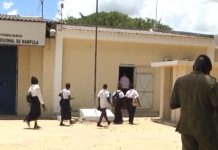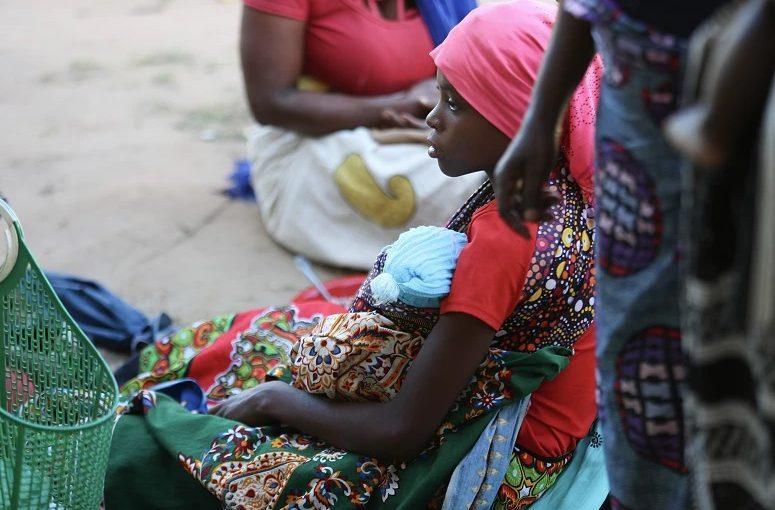
Africa-Press – Mozambique. Many teenage girls and women in Mozambique “who are pregnant or mothers” are forced to drop out of school due to a lack of support, warned Human Rights Watch (HRW) in a report released on Wednesday that calls for more action to reverse this situation.
In the 52-page document, the New York-based non-governmental organisation acknowledged that the government repealed discriminatory measures against pregnant school pupils and teenage mothers more than five years ago, but lamented that these pupils “at one of the most vulnerable times in their lives” receive no support from schools.
“School communities and teachers do not have concrete guidance and policies at their disposal that spell out their positive obligations vis-à-vis pregnant and parenting students, including specific instructions on how to provide support for students,” reads HRW’s summary of the report, titled “‘Girls Shouldn’t Give Up On Their Studies’: Pregnant Girls’ and Adolescent Mothers’ Struggle to Stay in School in Mozambique”.
The human rights organisation documents “numerous barriers” placed in the way of teenage girls and pregnant or parenting women and the problems they face when trying to stay in school.
“Although topics related to the sexuality education curriculum are covered in a number of school subjects, girls and women reported receiving little comprehensive information about menstruation, reproductive health, and contraception either at school or at home,” the summary states. “Some students enrolled in the night shift did not have any access to content on sexuality or reproduction.”
The organisation quoted Elin Martinez, senior child rights researcher at HRW, who claimed that “girls who become mothers at a very young age often face discrimination, stigma and a lack of support and accommodations at school, making it impossible for many to reconcile schooling with childcare responsibilities.
“These combined barriers mean that many, if not most, pregnant or parenting girls leave school without completing their basic education,” she concluded.
In 2003, Mozambique’s government approved a legal provision instructing school officials to transfer pregnant girls and teenage mothers from day schools to night schools, based on an existing infrastructure used for adult basic education.
“This decree effectively authorised and cemented discrimination against these students in the national education system, denying pregnant or parenting students the right to study in primary and secondary schools alongside students their own age,” HRW noted.
Civil society organisations in Mozambique then launched an ultimately successful campaign pressing the Ministry of Education to revoke the decree, remove discriminatory barriers against pregnant or parenting girls and protect girls from widespread sexual violence in schools.
“In December 2018, then Minister of Education Conceita Ernesto Sortane adopted a ministerial order revoking a 2003 order that mandated school administrations to shift pregnant and parenting students to night classes” – instructing schools to allow pregnant and parenting students to study during the normal school day, HRW recalled.
The organisation welcomed the end of the discriminatory policy that began in 2003, but noted that some teachers and school authorities automatically referred female students to night-shift schools due to existing stigma, existing discriminatory practices or a lack of guidance from staff.
HRW argues in the report that Mozambique’s government must “adopt legally enforceable regulations that ensures girls’ right to education during pregnancy and parenthood.”
It should, the text continues, “give due consideration to the experiences and views of its adolescents and look at examples from other African countries, including positive policies adopted by Cabo Verde, Sierra Leone, and South Africa, to define its own human rights-compliant policy framework to address pregnant and parenting adolescents’ needs.”
The authorities must also ensure that all children have access to comprehensive, scientifically accurate and age- and developmentally appropriate sex education, as well as free reproductive health services that respond to the needs of adolescents, including access to abortion to the full extent permitted by law, the organisation further argued.
For More News And Analysis About Mozambique Follow Africa-Press