Africa-Press – Namibia. The rising cost of electricity in Namibia’s green schemes has negatively impacted the programmes advancing national food security and rural economic growth, and now poses a serious sustainability threat.
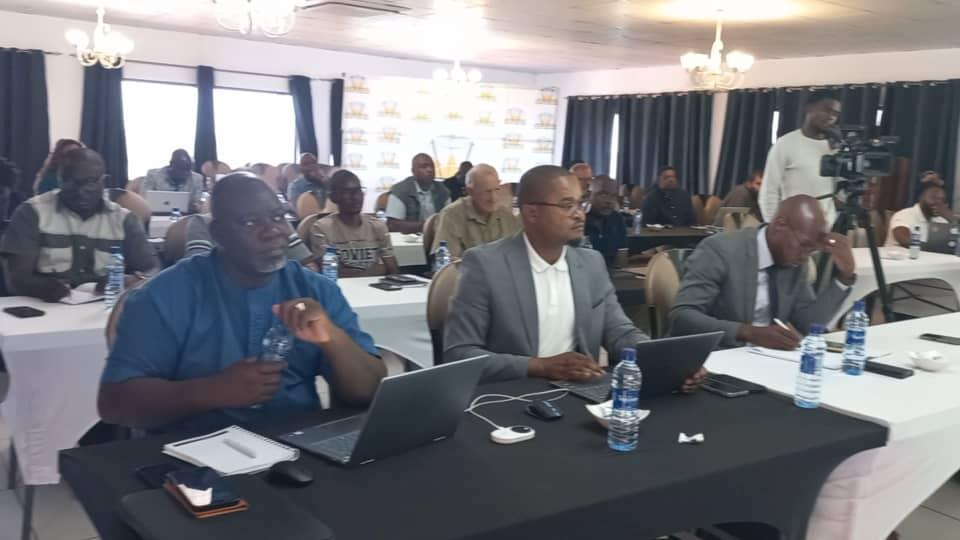
Policymakers, regulators, utilities, and farmers confronted the pressing reality of rising electricity costs at a national stakeholder workshop convened by the Electricity Control Board (ECB) at Rundu, Kavango East region, on Monday.
Ministry of Agriculture, Fisheries, Water and Land Reform executive director Ndiyakupi Nghituwamata highlighted that the initiatives were designed to reduce food imports, expand irrigated agriculture and create jobs.
She said the schemes depend heavily on electricity to power water pumps, pivots, storage and processing facilities.
“This dependence has made energy the largest operational expense, threatening the viability of projects intended to secure Namibia’s agricultural future,” Nghituwamata noted, adding that electricity costs are outpacing agricultural returns.
She stated that each green scheme spends close to N$1 million per month on electricity, amounting to approximately 35% of total revenue.
“These schemes are not merely agricultural projects. They are instruments of food security, employment creation and regional economic growth. Their success is a national imperative,” Nghituwamata said.
She reaffirmed that the reason Cabinet initiated an electricity tariff review for agricultural schemes is reflected in the collaborative engagements held throughout 2023 and 2024 involvingthe the Namibia Power Corporation, Northern Regional Electricity Distributor, ECB, and the miniseries of energy and agriculture.
The rising cost of electricity in Namibia’s green schemes has negatively impacted the programmes advancing national food security and rural economic growth, and now poses a serious sustainability threat.
Policymakers, regulators, utilities, and farmers confronted the pressing reality of rising electricity costs at a national stakeholder workshop convened by the Electricity Control Board (ECB) at Rundu, Kavango East region, on Monday.
Ministry of Agriculture, Fisheries, Water and Land Reform executive director Ndiyakupi Nghituwamata highlighted that the initiatives were designed to reduce food imports, expand irrigated agriculture and create jobs.
She said the schemes depend heavily on electricity to power water pumps, pivots, storage and processing facilities.
“This dependence has made energy the largest operational expense, threatening the viability of projects intended to secure Namibia’s agricultural future,” Nghituwamata noted, adding that electricity costs are outpacing agricultural returns.
She stated that each green scheme spends close to N$1 million per month on electricity, amounting to approximately 35% of total revenue.
“These schemes are not merely agricultural projects. They are instruments of food security, employment creation and regional economic growth. Their success is a national imperative,” Nghituwamata said.
She reaffirmed that the reason Cabinet initiated an electricity tariff review for agricultural schemes is reflected in the collaborative engagements held throughout 2023 and 2024 involvingthe the Namibia Power Corporation, Northern Regional Electricity Distributor, ECB, and the miniseries of energy and agriculture.
In an age of information overload, Sunrise is The Namibian’s morning briefing, delivered at 6h00 from Monday to Friday. It offers a curated rundown of the most important stories from the past 24 hours – occasionally with a light, witty touch.
For More News And Analysis About Namibia Follow Africa-Press